mooring systems
3 stories filed under mooring systems on World Data Ocean. The newest of them: “Refining Vortex-Induced Motion Models Through Multi-Column Spacing Analysis”, “Texas Deepwater LNG Port Approved to Measure Export Growth and Climate Indicators”, and “Global FPSO Design Adapts to Varying Sea Conditions Through Integrated Analysis”. Vortex-induced motion remains a primary driver of fatigue in mooring systems, yet the influence of column spacing on multi-platform behavior has remained unresolved. The U.S. A Global Hub for Ocean Intelligence 4 World Data Ocean is a centralized digital platform where researchers, scientists, and ocean enthusiasts converge to… The list below is every mooring systems story on World Data Ocean, newest first.

Refining Vortex-Induced Motion Models Through Multi-Column Spacing Analysis
Vortex-induced motion remains a primary driver of fatigue in mooring systems, yet the influence of column spacing on multi-platform behavior has remained unresolved. New towing tank tests at a 45° current incidence angle reveal that larger column spacing ratios intensify VIM responses, by as much as 30.8% in sway amplitude. Simply increasing spacing fails as a suppression strategy; optimal design requires balancing lock-in ranges with galloping onset velocities. For deeper context, see our coverage of the Texas Deepwater LNG Port approval.
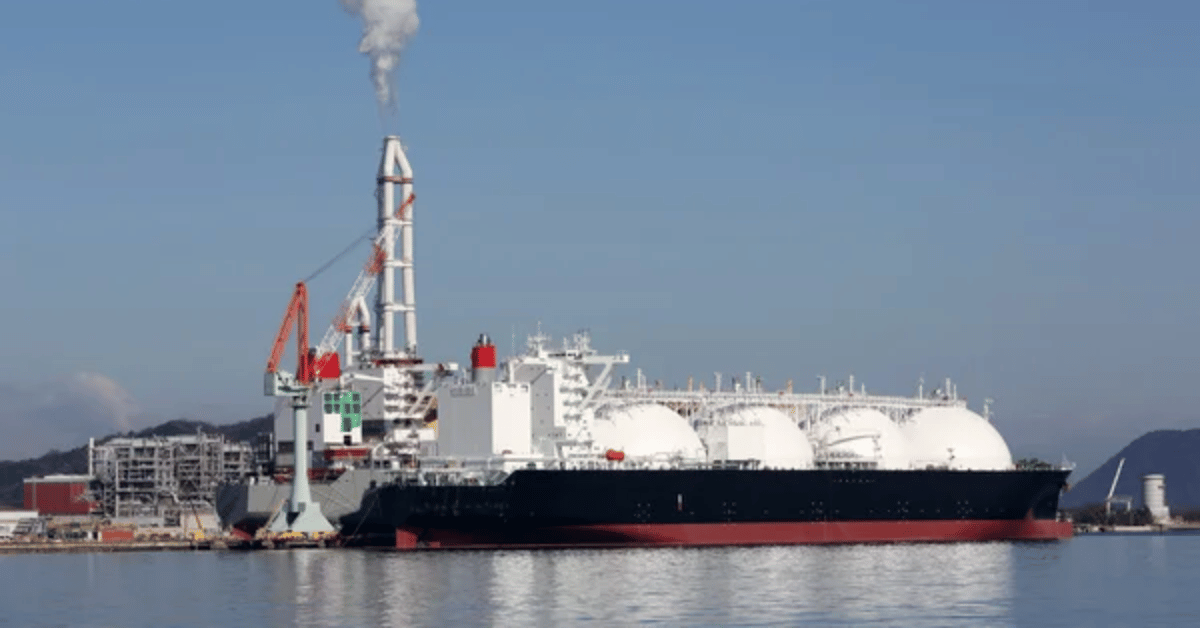
Texas Deepwater LNG Port Approved to Measure Export Growth and Climate Indicators
The U.S. Maritime Administration has approved an $8.2 billion deepwater LNG port off Matagorda, Texas, a development that measurably expands U.S. export capacity by 7-9% while creating thousands of jobs. This project offers a calibrated opportunity to integrate real-time climate indicators with export growth data. For a parallel view of how maritime infrastructure reshapes global trade, see our coverage of the Arctic Corridor as Churchill Port cuts Europe transit by three days.
Global FPSO Design Adapts to Varying Sea Conditions Through Integrated Analysis
A universal FPSO design must hold its own across the world's roughest seas, and this study shows how that is achievable. By analyzing environmental conditions from key oil-producing regions, the research defines a generic structural solution that adapts to diverse mooring systems without sacrificing integrity. The focus on variable cargo hold lengths for the South China Sea is particularly practical. This is not just engineering; it is the kind of integrated analysis that makes ocean intelligence a working tool.