methanol bunkering
4 stories filed under methanol bunkering on World Data Ocean. The newest of them: “Electrified infrastructure validates green milestone at India's VOC Port”, “Singapore ethanol bunkering test delivers measurable milestone for cleaner maritime fuel”, and “Optimizing inland methanol networks for real-world vessel range and demand”. India's VOC Port, capable of handling 82 million tonnes of cargo annually, has validated a critical green milestone through electrified infrastructure. Singapore's first ethanol bunkering operation, completed at Pasir Panjang Terminal by Maersk, Golden Island and PSA Singapore, delivers a measurable milestone for cleaner maritime fuel. A Global Hub for Ocean Intelligence 4 World Data Ocean is a centralized digital platform where researchers, scientists, and ocean enthusiasts converge to… The list below is every methanol bunkering story on World Data Ocean, newest first.
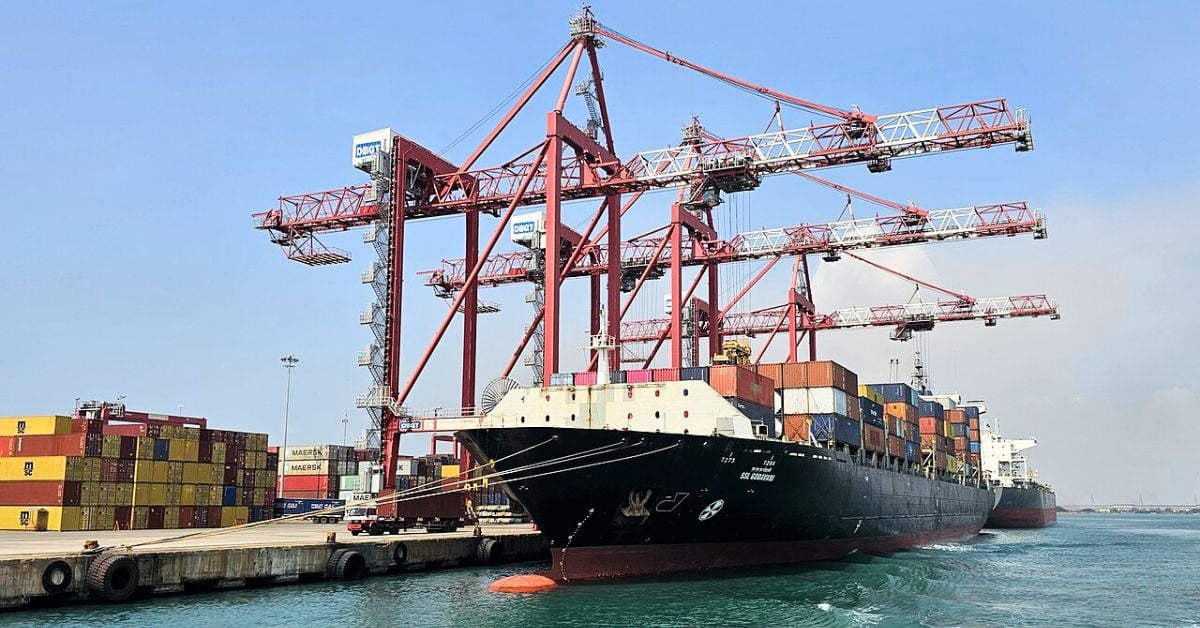
Electrified infrastructure validates green milestone at India's VOC Port
India's VOC Port, capable of handling 82 million tonnes of cargo annually, has validated a critical green milestone through electrified infrastructure. Chairman Sushanta Kumar Purohit confirmed the achievement, marking measurable progress in decarbonising one of the nation's busiest maritime hubs. Electrification of port operations isn't just symbolic, it delivers empirical, real-time reductions in emissions. For deeper context on regional marine challenges, see our coverage of the decomposed cetacean on the Gulf of Mannar coast.
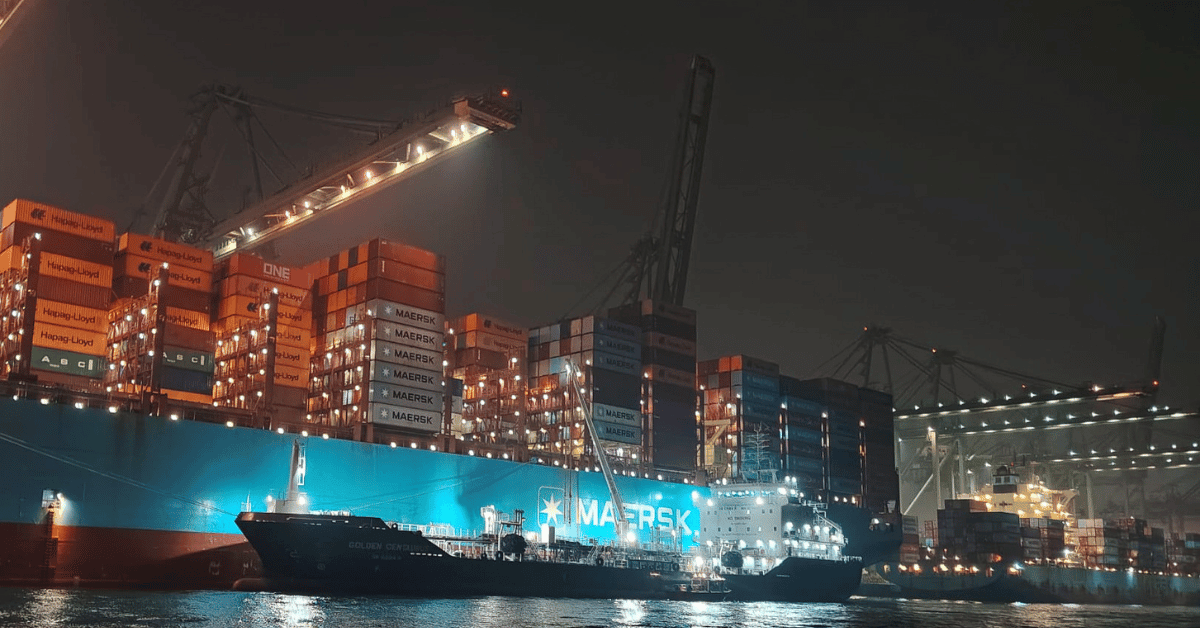
Singapore ethanol bunkering test delivers measurable milestone for cleaner maritime fuel
Singapore's first ethanol bunkering operation, completed at Pasir Panjang Terminal by Maersk, Golden Island and PSA Singapore, delivers a measurable milestone for cleaner maritime fuel. This is empirical progress, validated, real-world testing that moves the industry beyond theory. Understanding drives protection. For deeper context on the funding challenges behind such transitions, see "Calibrating EU maritime funding: €30 billion gap in sustainable fuel support identified."

Optimizing inland methanol networks for real-world vessel range and demand
The early-stage deployment of green methanol-powered inland vessels faces a fundamental dilemma: limited cruising range demands en-route bunkering, yet dispersed demand makes dense fixed stations economically burdensome. Our integrated framework extends the conventional paradigm by allowing fixed hubs to serve surrounding ports via mobile bunker barges. In a 15-port Yangtze River case study, this cross-port approach reduced total system cost by 37.7%. For deeper context, our coverage of Maersk Halifax's 5,000-metric-tonne bioethanol bunkering in Singapore illustrates the operational scale these networks will need to support.

Methanol Bunkering Powers New Car Carrier, Advancing Ocean Decarbonization.
The M/V Arctic Tern has taken on 2,800 metric tonnes of green methanol in China's largest simultaneous car-handling and bunkering operation, marking a practical step forward for ocean decarbonization. This 9,300-CEU carrier shows how alternative fuels move from concept to routine application. We see momentum building across vessel types, from LNG bunkering designs to ore carriers. For a closer look at how dual-fuel capability is being validated elsewhere, see our coverage of Hanwha Power's recent ABS approval.