mass extinction
mass extinction at World Data Ocean is a file of 3 stories. The newest of them: “Ocean Stewardship: A Foundation for Long-Term Human Survival”, “Rapid Atmospheric Heating: Asteroid Dust’s Role in Dinosaur Extinction”, and “Ocean Heat and Oxygen Loss Linked to Ancient Marine Extinctions”. The deep ocean has already passed the multi-hundred-million-year test, and that is where our focus belongs. Within minutes of impact, debris began heating Earth's atmosphere, and fine dust trapped that heat. A Global Hub for Ocean Intelligence 4 World Data Ocean is a centralized digital platform where researchers, scientists, and ocean enthusiasts converge to… The list below is every mass extinction story on World Data Ocean, newest first.
Ocean Stewardship: A Foundation for Long-Term Human Survival
The deep ocean has already passed the multi-hundred-million-year test, and that is where our focus belongs. Land and space remain fragile, unproven options, while the ocean's stability has quietly outlasted every extinction event. The argument here is not about escape, but about learning to live within a system that has proven its resilience. We should treat the ocean as our primary environment, not a backup plan.
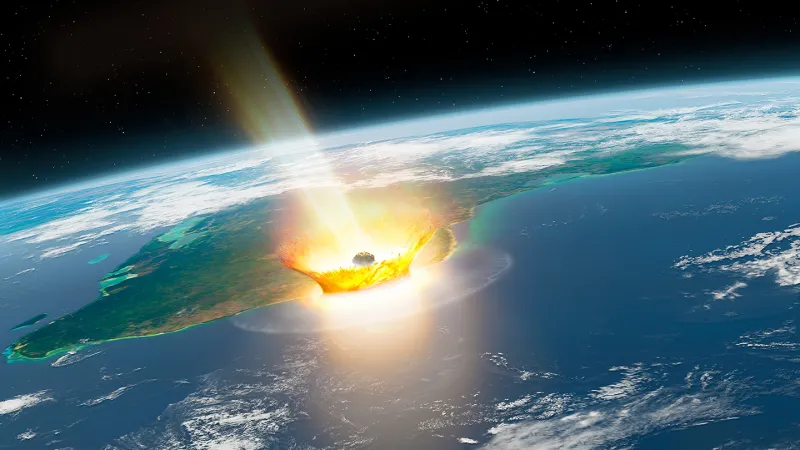
Rapid Atmospheric Heating: Asteroid Dust’s Role in Dinosaur Extinction
Within minutes of impact, debris began heating Earth's atmosphere, and fine dust trapped that heat. The result was a rapid, lethal spike in global temperatures. This mechanism, not the blast alone, may have killed the dinosaurs quickly. It is a stark reminder that extinction can arrive with terrifying speed. For a broader view of how Earth's systems respond to sudden change, see our coverage of the Cascadia Subduction Zone's fragmented tectonic process.
Ocean Heat and Oxygen Loss Linked to Ancient Marine Extinctions
Ancient marine extinctions carry a warning that reaches across millions of years. Ocean heat and oxygen loss, the same forces stressing today's seas, align with past die-offs in the fossil record. The study, published in PNAS, offers empirical grounding for what climate indicators already suggest. We treat this as more than a historical footnote, it is a calibrated measure of risk. For deeper context, our related piece on Cascadia's fragmented subduction zone shows how geological processes compound biological vulnerability.