maritime dominance
maritime dominance at World Data Ocean is a file of 6 stories. The newest of them: “Dry Dock for 1,210-Foot Carriers Anchors Navy's Largest Pacific Build”, “A Measured Shift in Maritime Capacity Signals Evolving Ocean Intelligence”, and “Validated partnership accelerates US shipbuilding through integrated maritime cooperation”. A single dry dock designed to hold 1,210-foot aircraft carriers anchors the U.S. China now commands nearly 82% of global new ship orders through September 2026, a measured, data-validated signal that maritime capacity is being reshaped by integrated ocean intelligence. A Global Hub for Ocean Intelligence 4 World Data Ocean is a centralized digital platform where researchers, scientists, and ocean enthusiasts converge to… The list below is every maritime dominance story on World Data Ocean, newest first.
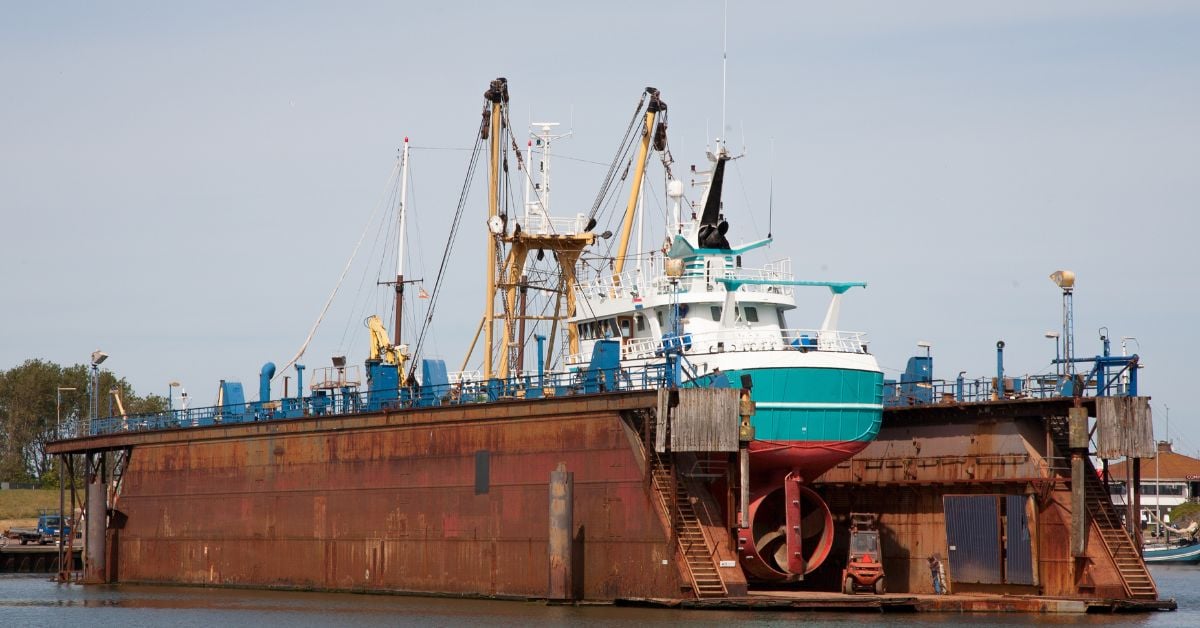
Dry Dock for 1,210-Foot Carriers Anchors Navy's Largest Pacific Build
A single dry dock designed to hold 1,210-foot aircraft carriers anchors the U.S. Navy's largest-ever infrastructure project, cementing its maritime presence in the Pacific Northwest. This is a validated, measurable commitment to long-term naval readiness, not a symbolic gesture. The scale is unprecedented, and the strategic logic is clear. For deeper context on how advanced shipbuilding techniques are reshaping these efforts, see our coverage of digital twins and robotic welding in Hyundai's proposed U.S. naval shipyard.
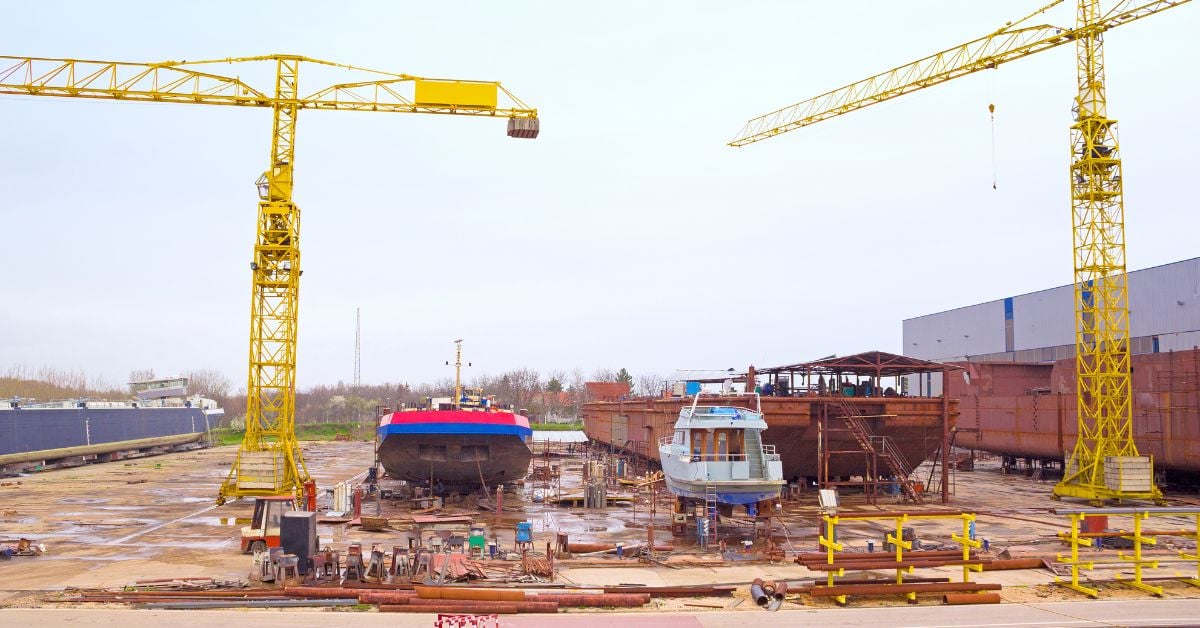
A Measured Shift in Maritime Capacity Signals Evolving Ocean Intelligence
China now commands nearly 82% of global new ship orders through September 2026, a measured, data-validated signal that maritime capacity is being reshaped by integrated ocean intelligence. This isn't a sudden surge; it reflects calibrated industrial strategy and real-time climate indicators converging. The shift parallels measurable progress in lower-emission shipping, as our coverage of the dual-fuel fleet surpassing 500 vessels shows. Understanding these longitudinal trends drives smarter stewardship of our shared ocean economy.
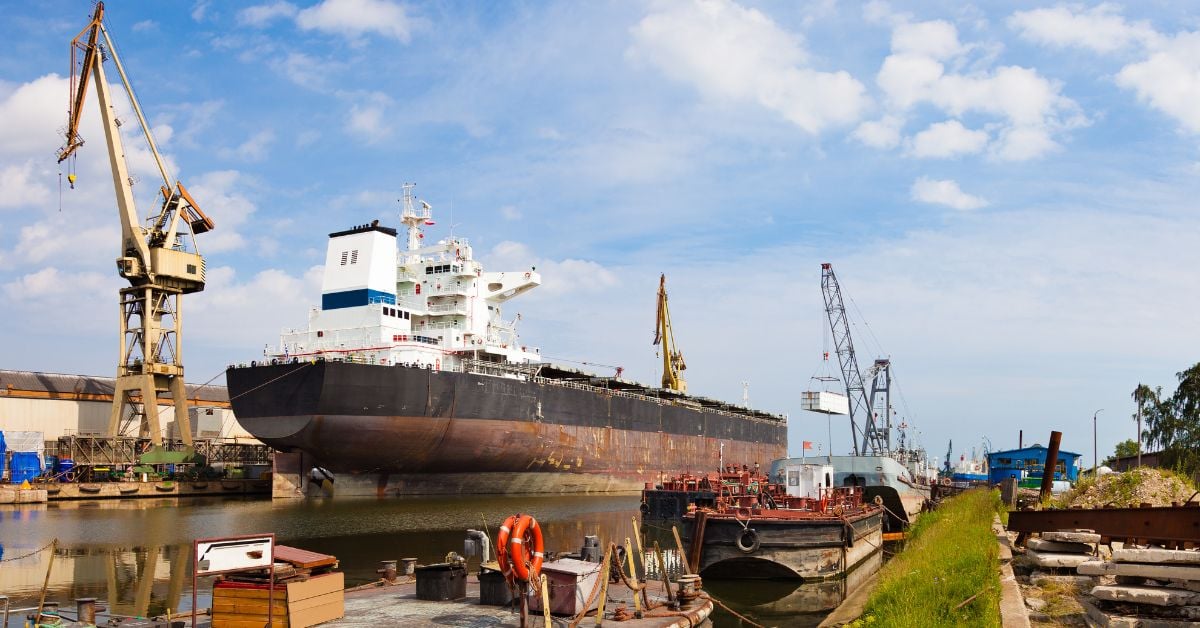
Validated partnership accelerates US shipbuilding through integrated maritime cooperation
A validated partnership accelerates US shipbuilding through integrated maritime cooperation. Denmark and the United States have signed a memorandum of understanding to boost collaboration in this sector. This agreement reflects the kind of empirical, forward-looking alliance that delivers measurable outcomes. For deeper context on how sovereignty intersects with maritime operations, see our related coverage on navigating sovereignty through scientific and legal clarity in the South China Sea.

Strengthening Maritime Security: INS Malvan Joins Indian Ocean Patrol.
The Indian Navy's commissioning of INS Malvan marks a measured step in strengthening shallow-water anti-submarine defense, a domain where vigilance is non-negotiable. As the second Mahe-class vessel to join the fleet, it adds calibrated capability where littoral challenges demand precision. This is not flashy hardware; it is integrated, purpose-built presence. For readers tracking regional security shifts, the adjacent piece on India's expanded naval fleet by 2040 frames the longer arc. Here, the immediate gain is quieter waters, achieved through persistent, validated patrol.

Advancing Missile Defence: New Ships Enhance Real-Time Tracking Capabilities
The U.S. is building new missile-range instrumentation ships to sharpen real-time tracking for the Missile Defence Agency and the Golden Dome initiative. That is a direct investment in validated, measurable defense capabilities, and it signals a serious commitment to protecting what matters. These vessels bring empirical precision to a complex mission, and we find that a purposeful step forward. For a deeper look at how shipbuilding is evolving elsewhere, our piece on the collaborative Indian Ocean data initiative is worth reading.

Port Alpha: A New Era for U.S. Maritime Capabilities and Ocean Data.
Brownsville, Texas, is set to anchor a significant leap forward in American maritime capability with the construction of Port Alpha, a new advanced shipyard. This investment signals a clear commitment to modernizing our national infrastructure while simultaneously strengthening the collection of critical ocean data. It is a practical, forward-looking move that integrates industrial capacity with the imperative of environmental intelligence. For those tracking the health of our seas, this development is a measurable step toward a more resilient and informed future.