marine science
167 stories filed under marine science on World Data Ocean. The newest of them: “Integrating Science and Policy for Sustainable Ocean Management”, “Jellyfish Biomolecules: A Growing Resource for Blue Economy and Biomedicine”, and “Underwater Device Recovered in Lombok Strait, Undergoing Navy Assessment”. Integrating natural and social sciences in marine affairs and policy is crucial for addressing the complexities of human interactions with ocean ecosystems. Jellyfish, often dismissed as marine nuisances, are emerging as vital sources of bioactive compounds with significant potential in biomedicine and marine biotechnology. A Global Hub for Ocean Intelligence 4 World Data Ocean is a centralized digital platform where researchers, scientists, and ocean enthusiasts converge to… The list below is every marine science story on World Data Ocean, newest first.

Integrating Science and Policy for Sustainable Ocean Management
Integrating natural and social sciences in marine affairs and policy is crucial for addressing the complexities of human interactions with ocean ecosystems. Researchers utilize scientific methodologies to inform sustainable practices, balancing environmental quality, social justice, and economic prosperity as outlined in Elkington’s triple-bottom-line framework. By enhancing integrated assessment models, we can better evaluate the long-term benefits and risks associated with ocean use. This collaboration is particularly vital for mitigating climate change impacts on marine environments and understanding the ocean’s role in moderating global climate dynamics.
Jellyfish Biomolecules: A Growing Resource for Blue Economy and Biomedicine
Jellyfish, often dismissed as marine nuisances, are emerging as vital sources of bioactive compounds with significant potential in biomedicine and marine biotechnology. This review examines the properties and applications of key jellyfish-derived biomolecules, including collagen, peptides, and polysaccharides, highlighting their ecological importance and technological promise. Notably, collagen extraction from species such as Cassiopea andromeda demonstrates both efficiency and biocompatibility, paving the way for innovative biomedical solutions. By leveraging jellyfish biomass within the blue economy framework, we can address pressing medical needs while promoting sustainable practices.

Underwater Device Recovered in Lombok Strait, Undergoing Navy Assessment
Indonesian authorities have successfully recovered a suspected Chinese underwater drone from the Lombok Strait. Police and naval personnel secured the device from the beach and transported it to the Indonesian Navy's base in Mataram for thorough examination. This incident underscores the complexities of maritime security in the region and raises questions about the implications of such technology on national sovereignty and ocean governance. As investigations proceed, the findings may shed light on the operational capabilities and intentions behind the drone’s deployment.
Bridging Geomatics and Oceanography: A New Wave of Data-Driven Discovery
Hello everyone, I'm currently pursuing a five-year degree in Geoinformatics Engineering, which offers a comprehensive curriculum spanning GIS, programming, and more without confining me to a specific domain. This flexibility enables the application of geomatics technologies across various fields. My passion for the ocean drives my intention to pursue a master's in Ocean Data Acquisition and Processing. I'm particularly interested in the intersection of geomatics and marine sciences, such as remote sensing and hydrography.
Modeling the Ocean: Charting Your Path from Physics to Engineering
Choosing the right undergraduate path is crucial for aspiring physical oceanographers, especially when balancing interests in programming, mathematics, physics, and hands-on research. As you consider majors in Physics or Ocean Engineering, it's important to evaluate each program's strengths and opportunities for real-world oceanography work, particularly at UNH, URI, and UMass Dartmouth. While URI offers specialized options and research vessels, UNH has strong engineering programs, and UMassD provides a compelling Computational Physics degree.
Essential Fieldwork Kit: Insights from Marine Science Professionals
Embarking on a Master’s in Marine Science is an exciting transition, especially after majoring in a different field during your undergraduate studies. As you prepare for fieldwork, it's essential to equip yourself with the right tools and resources. Fellow scientists and students can offer valuable insights into what to include in your fieldbag, whether for excursions, surveying, or other practical experiences. Sharing tips, tricks, and ideas will not only enhance your preparedness but also foster a sense of collaboration within the scientific community.
Exploring the Ocean: Accessible Insights Through Conversation
I’m excited to announce the launch of my new podcast dedicated to marine life and ocean science, aiming to explore the fascinating topics often overlooked. The format will be conversational, making complex subjects accessible to everyone, regardless of their background in marine science. With a Master’s in Marine Science and experience working with marine mammals and aquaculture, I’m eager to connect with fellow ocean enthusiasts.
Bridging Marine Science & Data: Charting a New Career Path
While fieldwork is a significant component of a Marine Sciences degree, numerous opportunities exist beyond the ocean floor for those interested in data science. Your background provides a solid foundation for pursuing a master's in Environmental Data Science, especially given your strong analytical skills from Electrical Engineering. Many universities in the UK offer programs that welcome diverse undergraduate backgrounds. Careers in marine sciences also encompass data analysis, modeling, environmental monitoring, and policy development, allowing you to leverage your marine expertise while exploring broader ecological applications.

Navigating REU Applications: Advice for International Marine Science Students
Securing a Research Experiences for Undergraduates (REU) opportunity as a non-US, non-EU citizen in Marine Biology, Oceanography, or Ecology can be challenging, especially given the competitive landscape. As you navigate your search, it’s crucial to identify programs that accept international applicants and offer stipends. Despite recent rejections, remember that persistence is key in scientific careers. Focus on enhancing your CV with your extensive volunteer work and local NGO involvement, which demonstrate your commitment and passion.
Navigating REU Applications: Strategies for Marine Science Students
Securing a Research Experiences for Undergraduates (REU) position in Marine Biology, Oceanography, or Ecology can be challenging, especially for international students. Rejections are common, but they do not define your potential. As you navigate this competitive landscape, consider targeting less prominent programs that may offer stipends and accept international applicants. Engage with mentors who can provide insights into the selection process and help refine your CV. Your commitment to local NGOs demonstrates dedication, which can enhance your application.
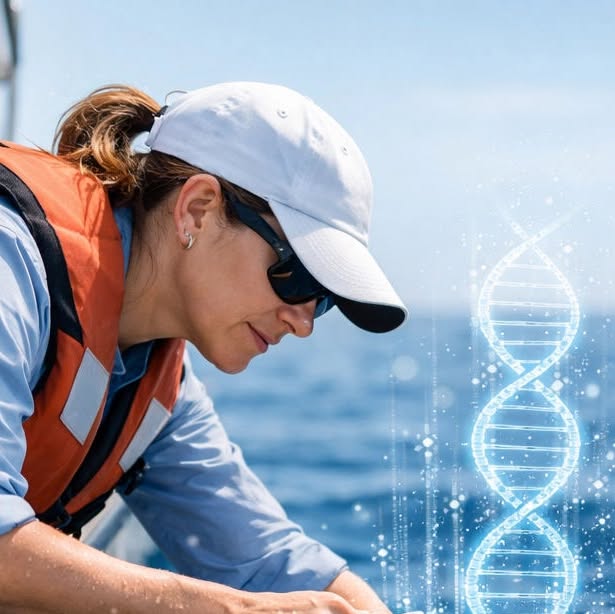
eDNA: Unlocking Ocean Biodiversity with Microscopic Samples
Did you know that a single 1.5-liter water sample can provide more insights into ocean biodiversity than traditional net surveys? Welcome to the transformative world of environmental DNA (eDNA) analysis. At World Data Ocean, we are harnessing these innovative datasets to empower researchers and policymakers in mapping thousands of marine species with unmatched accuracy. By utilizing advanced technology, we are enhancing the efficiency and accessibility of marine science, enabling real-time monitoring of ecosystem health and the discovery of elusive deep-sea life.
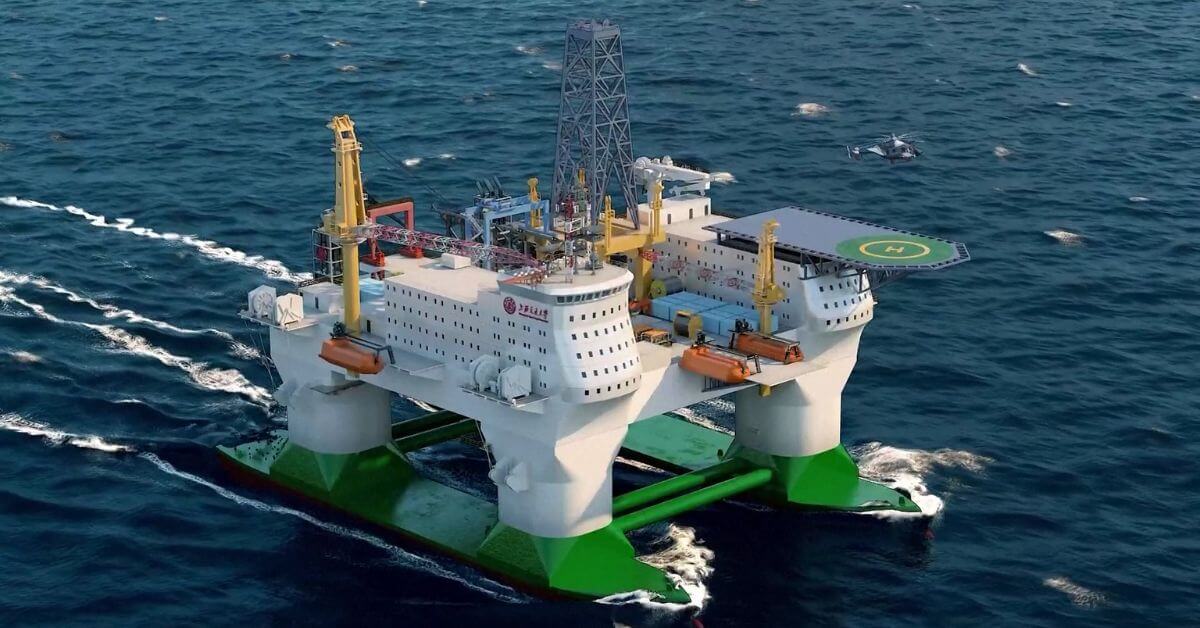
China Launches Integrated Platform for Year-Round Deep-Sea Research
World Data Ocean proudly announces the launch of the world's first floating artificial island dedicated to all-weather deep-sea research in China. This innovative facility comprises a central floating platform, advanced ship-based laboratories, and comprehensive shore-based support systems, creating an integrated data ecosystem for ocean intelligence. By combining cutting-edge technology with a commitment to scientific exploration, this initiative aims to enhance our understanding of marine environments and climate indicators, fostering global collaboration in ocean stewardship.
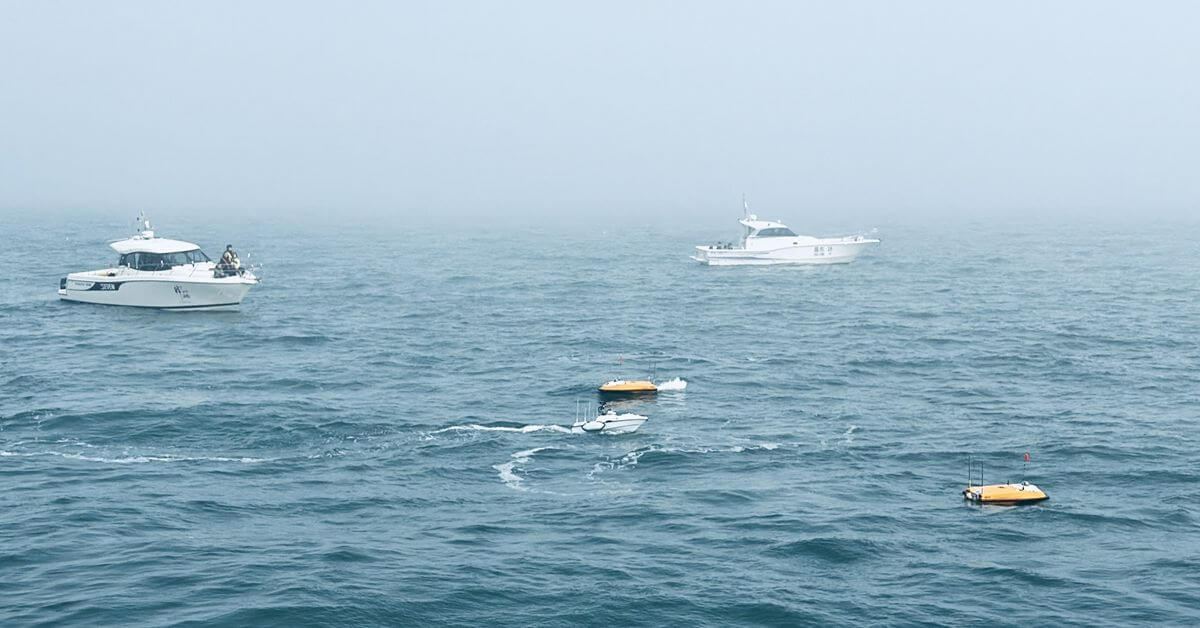
Integrated Unmanned Cluster System Demonstrates Cross-Domain Ocean Intelligence Capabilities
China has successfully tested its first ship-based cross-domain unmanned cluster system at sea, marking a significant advancement in integrated maritime technology. This innovative system combines sea, land, air, and underwater capabilities into a cohesive network, with a real ship serving as the operational platform. By enhancing coordination across multiple domains, this development demonstrates China's commitment to advancing its technological prowess and improving operational efficiency in maritime environments. The implications of such a system could influence naval strategies and global maritime security.

Advancing Ocean Science: Ethical Data Sharing for a Healthier Future
Ethical Governance and Implementation Paths for Global Marine Science Data Sharing, published in Frontiers, explores the critical framework for sharing marine science data in an ethical and effective manner. It emphasizes the importance of establishing robust governance structures that promote transparency, collaboration, and equitable access to data among diverse stakeholders. By outlining actionable implementation paths, it seeks to enhance global cooperation in marine research, ensuring that scientific data contributes meaningfully to ocean stewardship and informed decision-making in the face of climate change.
Woods Hole: A Collaborative Model for Coastal Resilience.
ResilientWoodsHole (RWH) exemplifies a private-public partnership designed to enhance coastal resilience in the vulnerable community of Woods Hole, Massachusetts. In the face of rising sea levels and intensifying storms, RWH unites thirteen partners, including the Woods Hole Oceanographic Institution and local organizations, to develop actionable strategies. By integrating scientific modeling, regulatory assessments, and community engagement initiatives like the Climate Walking Trail, RWH transforms complex climate risks into shared understanding.
Wind Farm Impacts: Retrospective Data Informs Sustainable Ocean Management
The expansion of offshore wind farms (OWFs) is reshaping marine spatial dynamics, particularly concerning fisheries and benthic habitats. This retrospective analysis examines the impacts of OWFs on Danish fisheries from 2005 to 2023, focusing on fishing effort allocation and efficiency in relation to these renewable energy installations. By leveraging vessel monitoring and logbook data, the study reveals how fishing activities have adapted post-construction, highlighting both the cessation of fishing within OWF sites and the potential for reallocation to surrounding areas.
Navigating Next Steps: A Marine Biologist's Career Reflection
Navigating the path to a career in marine biology can be challenging, especially for recent graduates. Having a Bachelor’s in Environmental Sciences and a Master’s in Marine Biology provides a solid foundation, yet the transition from academia to employment often feels daunting. It's essential to explore entry-level opportunities that match your skills and experience, such as lab technician roles or field research assistants.
Charting a Course: A Marine Science Student's Path to Fisheries Observation
Hello everyone! I am an undergraduate studying marine science with valuable experience from research cruises, which I've thoroughly enjoyed. I'm considering a career as a fisheries observer after graduation, drawn by the opportunity to explore diverse fish species and connect with NOAA professionals. However, I have some reservations, particularly about working at sea as a female observer, where conditions can be unpredictable. I would love to hear from anyone, especially women, who have worked as fisheries observers. Your insights would be greatly appreciated!
Charting a Course: Essential Advice for Aspiring Marine Biologists
Welcome to the official subreddit post on "How to Be a Marine Biologist." This comprehensive guide offers essential advice for aspiring marine biology students and professionals, outlining valuable resources, tips, and internship opportunities. Whether you're considering a major, pursuing graduate studies, or exploring career paths in marine sciences, you'll find insights from experts like Dr. Milton Love and Dr. Miriam Goldstein. For additional contributions or updates to this list, feel free to reach out to the moderators.
Bridging Research and Real-World Needs in Marine Energy Exploration
Hello everyone, I am a PhD student at NC State University, currently researching marine energy as part of the National Science Foundation-funded I-CORPS program. My goal is to gather insights on the current technology needs, challenges, and opportunities in the marine energy sector by connecting with oceanographers and experts in the field. I would greatly appreciate the opportunity to have a brief conversation, either by phone or video call, lasting 10-15 minutes.
Navigating Ocean Research: Staying Current in a Changing Field
Staying current in oceanography is essential for fostering a deeper understanding of our oceans and their dynamics. As a retired professional with a background in oceanography and remote sensing, you have a unique perspective on this field. To stay updated on research and developments, consider reputable journals such as *Journal of Marine Science*, websites like Oceanographic Society, and organizations like NOAA. Additionally, engaging with online communities and attending webinars can enhance your knowledge.
Exploring Coastal Ecosystems: Insights from Summer Research Experiences.
In the world of marine science research experiences, many aspiring students eagerly await decisions from various programs. Recent discussions have surfaced regarding the U Delaware Marine Science Summer REU, raising concerns for applicants from other institutions. Questions about acceptance statuses for programs such as the JT SURF Scripps REU, Georgia Southern's Southeastern Coastal Plain Ecosystems, and others are prevalent. As the anticipation builds, applicants wonder how these updates might impact their own chances.
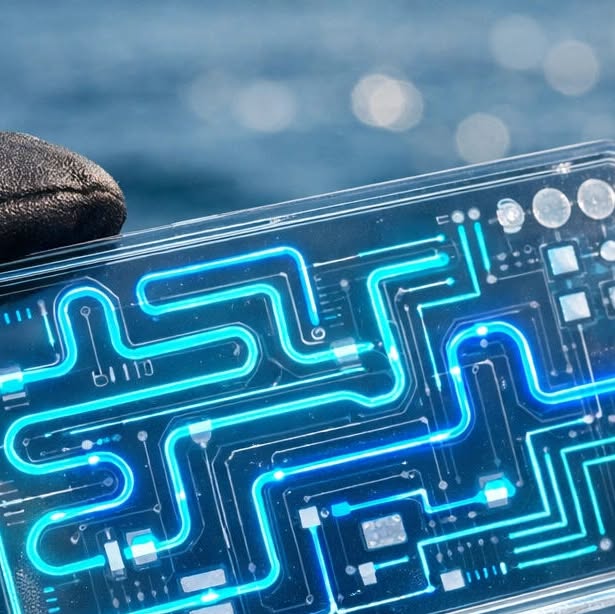
Miniaturized Sensors Revolutionize Ocean Data Collection and Analysis.
Imagine condensing an entire marine chemistry lab into a device the size of your thumb. This is the transformative potential of Lab-on-a-Chip (LoC) technology, revolutionizing oceanography. Traditionally, high-quality chemical and biological data collection required extensive ship time and manual sampling. Now, these compact, autonomous sensors can be seamlessly integrated into ocean gliders and buoys, delivering real-time measurements of pH, nutrients, and trace metals, even in remote areas.
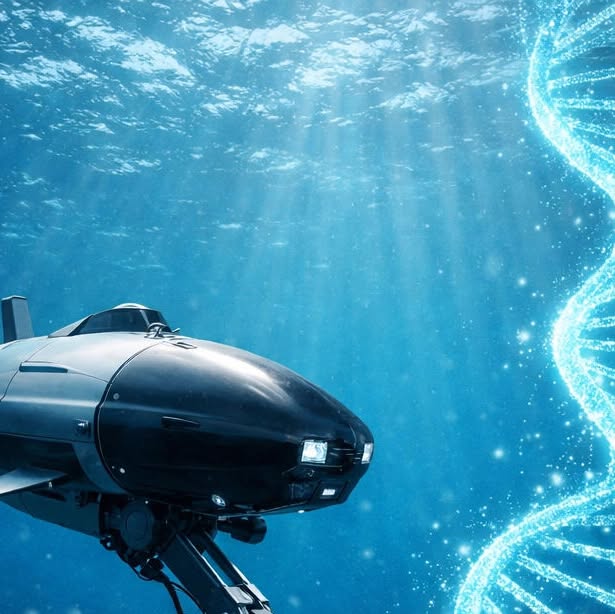
Unveiling Ocean Life: Environmental DNA and Autonomous Exploration
Ever wonder what lies beneath the ocean's surface without needing to catch a single fish? Welcome to the era of 'Ocean CSI.' At World Data Ocean, we are harnessing the power of environmental DNA (eDNA) to transform our understanding of marine ecosystems. By deploying autonomous underwater vehicles (AUVs) to collect water samples, we can detect DNA traces from marine life, enabling us to identify rare species and monitor biodiversity trends in real-time.