lunar surface
lunar surface on World Data Ocean: a running collection of 2 stories we have gathered and hand-picked because they are worth your time. Every post here touches on lunar surface in some way — the news, the analysis, the deep dives, and the occasional surprise find. A Global Hub for Ocean Intelligence 4 World Data Ocean is a centralized digital platform where researchers, scientists, and ocean enthusiasts converge to explore, analyze, and… New stories are added to this page as we find them, so check back if you want to keep up with what is happening around lunar surface, or subscribe to the RSS feed to get them as soon as they are published. Browse the collection below, or head back to the homepage to see everything World Data Ocean is covering right now.
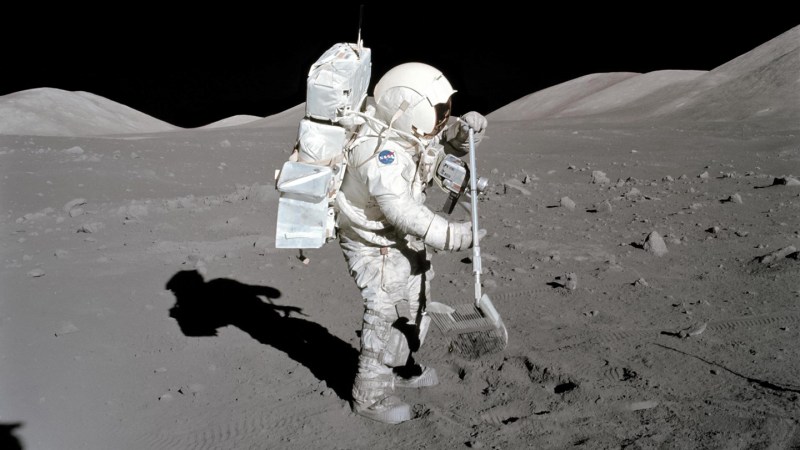
Microbes might get freeze-dried on the moon’s south pole
The upcoming Artemis IV mission, marking humanity’s return to the lunar surface after half a century, presents a unique scientific opportunity. NASA research indicates that terrestrial microbes, potentially freeze-dried and transported via lunar dust, could persist in the frigid conditions of the moon’s south pole. This raises crucial questions about potential biological contamination and the resilience of life beyond Earth. For a broader perspective on environmental concerns impacting our planet, explore our recent article on the diesel spill off the Philippines.
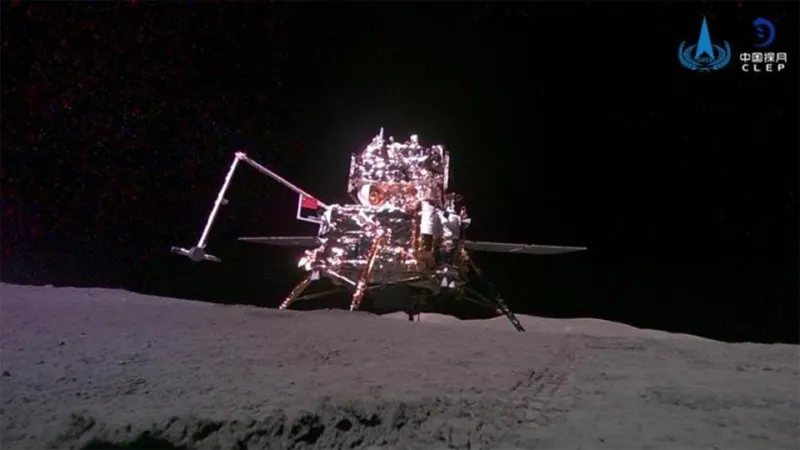
Different moon rocks tell different tales about a long-ago bombardment
Recent analysis of lunar samples reveals a more complex history of early bombardment than previously understood. Prior samples, notably those from the Apollo missions, suggest a dominant impact event shaped the Moon’s surface. However, newly examined farside samples offer a divergent narrative, indicating a broader range of impacts over time. This refined understanding necessitates a recalibration of models concerning the Moon’s formation and the early solar system. For further exploration of planetary environments, see our article on the "exotic weirdo" exoplanet and its helium atmosphere.