just transition
3 stories filed under just transition on World Data Ocean. The newest of them: “Governing a just transition: gaps remain in the IMO Net-Zero Framework for developing nations”, “Proposed IMO revisions risk weakening climate incentives and global equity”, and “Transformative Coastal Adaptation: Analyzing Systems for Climate Resilience”. Gaps remain in the IMO Net-Zero Framework's just-transition architecture. Proposed IMO revisions risk weakening the very climate incentives the shipping sector needs. A Global Hub for Ocean Intelligence 4 World Data Ocean is a centralized digital platform where researchers, scientists, and ocean enthusiasts converge to… The list below is every just transition story on World Data Ocean, newest first.

Governing a just transition: gaps remain in the IMO Net-Zero Framework for developing nations
Gaps remain in the IMO Net-Zero Framework's just-transition architecture. The draft approved at MEPC 83 uses mandatory language for revenue collection but leaves redistributive governance, beneficiary eligibility, Board composition, allocation proportions, to provisions not yet adopted. None of the four alternative proposals from Liberia, Brazil, Tuvalu, or Australia, Canada, South Africa and the UK resolve these uncertainties. Operationalization, not intent, is the missing link. For deeper context on related governance challenges, see our analysis of the WTO's fisheries subsidies agreement.
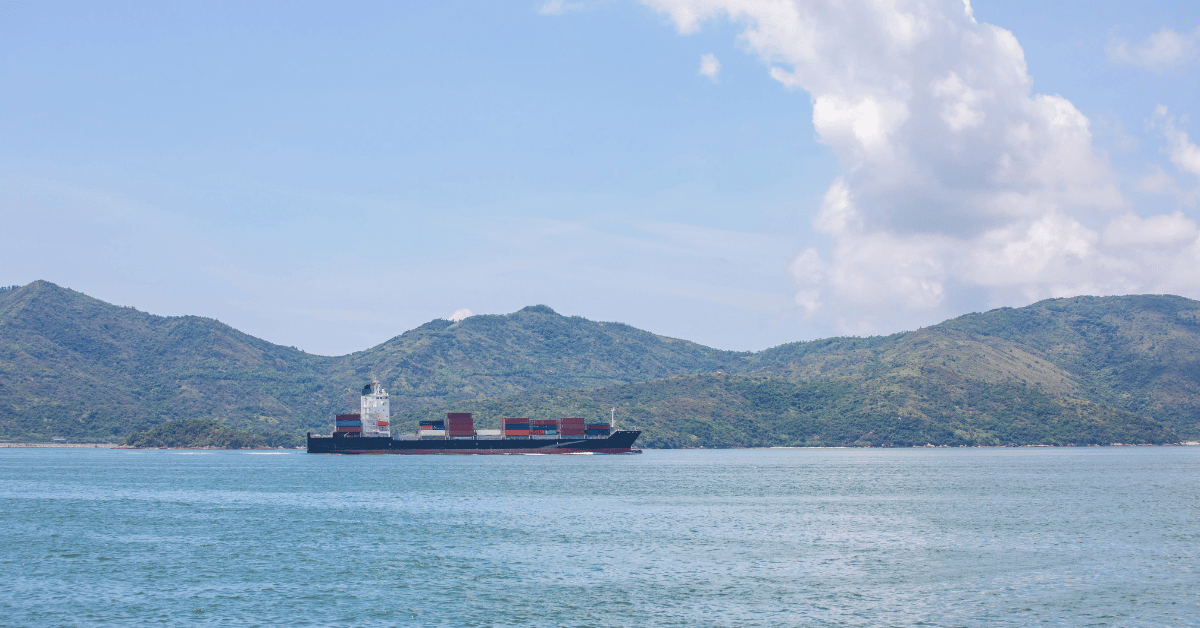
Proposed IMO revisions risk weakening climate incentives and global equity
Proposed IMO revisions risk weakening the very climate incentives the shipping sector needs. Japan's changes to the Net-Zero Framework could remove dedicated climate financing and undermine support for developing countries. That is a step backward. Climate action must be measurable and equitable. Our related coverage of "Balancing ambition and asset cycles in the path to shipping decarbonization" explores how to align long-term goals with real-world fleet transitions. Urgency and integrity cannot be traded for expediency.
Transformative Coastal Adaptation: Analyzing Systems for Climate Resilience
Coastal adaptation often stalls not from a lack of tools, but from a lack of integrated thinking. This study cuts through fragmented approaches by building a framework around transformative capacity, examining how adaptation actions embed, influence, and reproduce within systems. It identifies core barriers like governance fragmentation and translation gaps, offering a clear-eyed synthesis for moving beyond technical fixes.