Jeddah
Jeddah at World Data Ocean is a file of 3 stories. The newest of them: “Shipping Services Return to Suez Canal Amid Ongoing Risk Assessments”, “Red Sea Attack: Seafarers' Remains Transferred for Repatriation.”, and “Red Sea Risk Zone Expands as Insurers Respond to Houthi Actions”. Maersk's decision to reroute four services, AE5, AE11, AE12, and ME2, back through the Suez Canal marks a calculated return, not a careless one. The transfer of four seafarers' remains from Yemen to Saudi Arabia marks a somber step toward closure for families awaiting repatriation after the Houthi missile attack. A Global Hub for Ocean Intelligence 4 World Data Ocean is a centralized digital platform where researchers, scientists, and ocean enthusiasts converge to… The list below is every Jeddah story on World Data Ocean, newest first.
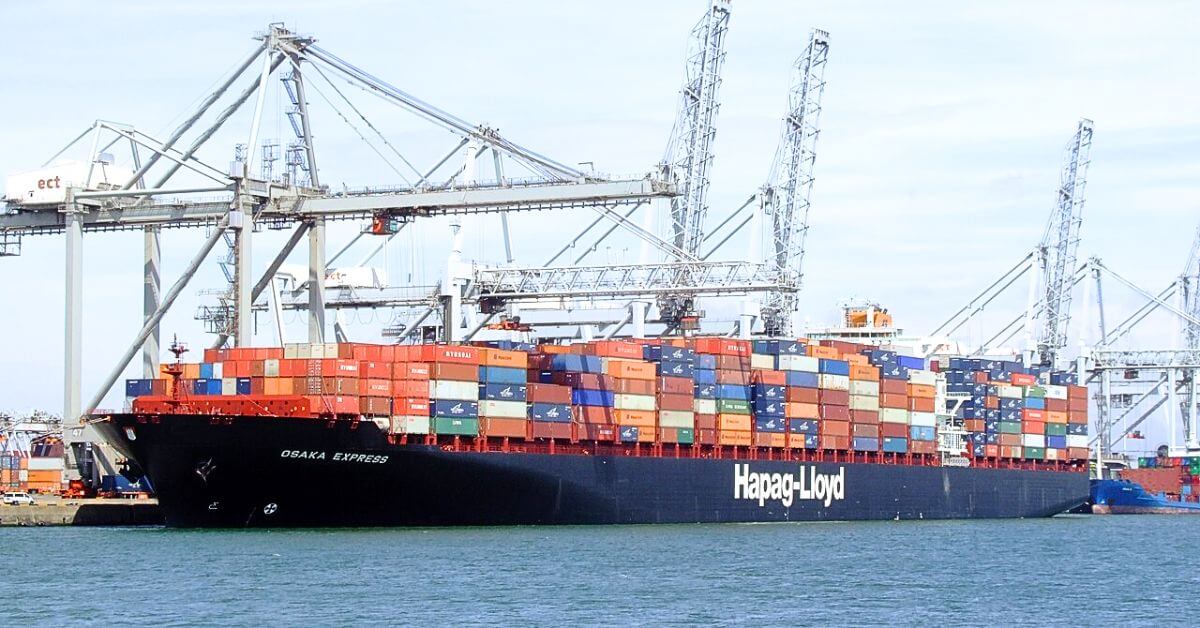
Shipping Services Return to Suez Canal Amid Ongoing Risk Assessments
Maersk's decision to reroute four services, AE5, AE11, AE12, and ME2, back through the Suez Canal marks a calculated return, not a careless one. The shift from the Cape of Good Hope reflects ongoing risk assessments that remain unresolved, a measured step rather than a full retreat to normalcy. It is a pragmatic move, grounded in operational data, and we respect that caution.

Red Sea Attack: Seafarers' Remains Transferred for Repatriation.
The transfer of four seafarers' remains from Yemen to Saudi Arabia marks a somber step toward closure for families awaiting repatriation after the Houthi missile attack. This is the human cost beneath the headlines, and it underscores why maritime security cannot be treated as a sidebar issue. The Gulf of Oman STS Transfers Max Out Amid Rising Saudi Oil Exports shows how regional pressures ripple through shipping networks, but today we focus on the lives lost and the dignity of their final journey.

Red Sea Risk Zone Expands as Insurers Respond to Houthi Actions
London's marine insurance market has widened the Red Sea's high-risk zone following Houthi attacks on Saudi-linked vessels, a measured response to a volatile reality. This is prudent, not panicked. Insurers are calibrating risk with precision, and the expansion reflects empirical threats rather than speculation. For those tracking regional chokepoints, our coverage of Gulf of Oman STS transfers offers useful context. Understanding drives protection, and here, the data speaks clearly.