international cooperation
6 stories filed under international cooperation on World Data Ocean. The newest of them: “From orbit to ocean floor: integrating observations for Earth system predictions”, “Global data integrity depends on swift undersea cable repairs”, and “Proposed US monitoring cuts risk global loss of calibrated ocean intelligence”. A satellite sees the ocean's surface; a drifting buoy feels its depths. A single severed undersea cable can stall global data flows for millions. A Global Hub for Ocean Intelligence 4 World Data Ocean is a centralized digital platform where researchers, scientists, and ocean enthusiasts converge to… The list below is every international cooperation story on World Data Ocean, newest first.
From orbit to ocean floor: integrating observations for Earth system predictions
A satellite sees the ocean's surface; a drifting buoy feels its depths. The Global Ocean Observing System, convened by the World Meteorological Organization, now integrates these vantage points into a single, calibrated data ecosystem. This is not abstract science. It is the foundation for Earth system predictions that shape climate resilience and maritime safety. For deeper context, our related coverage on ocean stewardship explores how this data refines our responsibility to the sea.
Global data integrity depends on swift undersea cable repairs
A single severed undersea cable can stall global data flows for millions. The Bulletin of the Atomic Scientists underscores that rapid repairs aren't just technical, they're essential for maintaining global data integrity. Nations must coordinate swiftly when these critical links break. This isn't alarmism; it's empirical reality. Our related coverage on submerged servers, from *Scientific American*, explores how China's underwater data centers further push the frontier of efficient ocean intelligence, connecting infrastructure resilience with innovation.
Proposed US monitoring cuts risk global loss of calibrated ocean intelligence
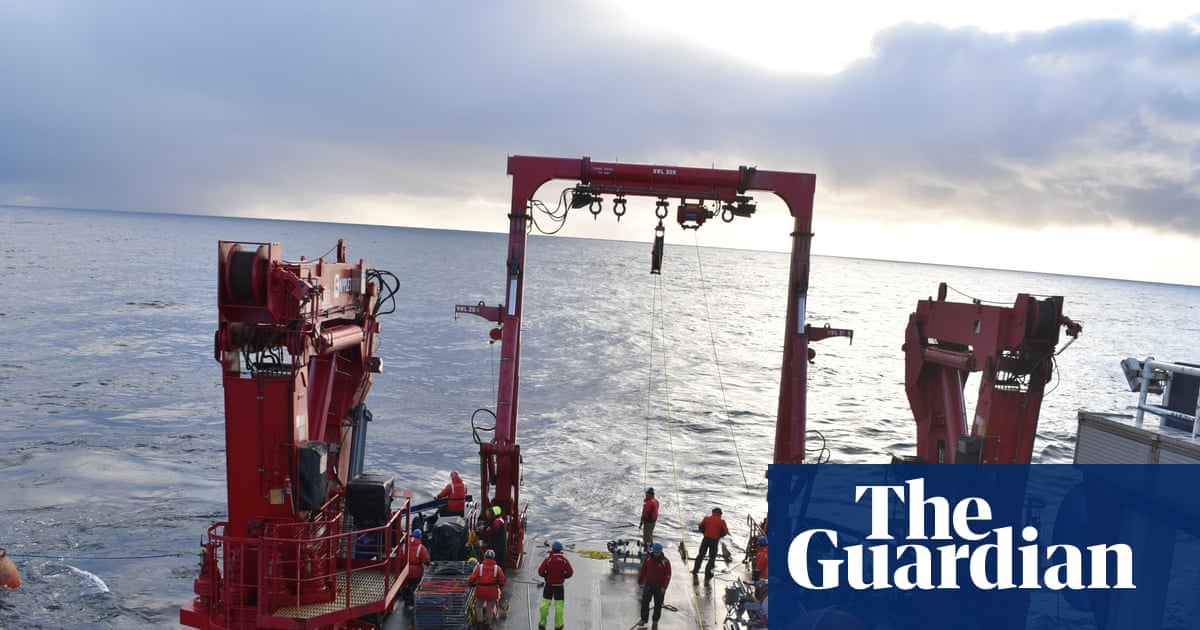
The Trump administration's proposal to eliminate US ocean monitoring systems would strip the world of calibrated, real-time climate intelligence. Scientists warn this leaves us flying blind on ocean warming and sea-level rise. Protecting this integrated data ecosystem is not optional, it is a matter of global scientific integrity. For context on how validated ocean data is built, see our related piece on the NCEI's *Ocean data expands from measured depths to validated insights*. Understanding drives protection; abandoning it invites risk.

Cross-Border Plastic Pollution: Charting Cooperation Through China and Pakistan
China and Pakistan face the same Pacific currents, yet their legal responses to marine plastic pollution diverge sharply. This comparison of regulatory frameworks reveals that China's 2024 Marine Environmental Protection Law and new Ecological Code create a more integrated system, while Pakistan's devolved structure remains fragmented. Still, the 2023 Single-Use Plastics Regulations mark a step forward, not a failure. The proposed CPEC cooperation mechanism offers a practical path forward, one that builds on shared infrastructure rather than abstract ideals.
India Charts Course for European Shipping Collaboration at SMM 2026
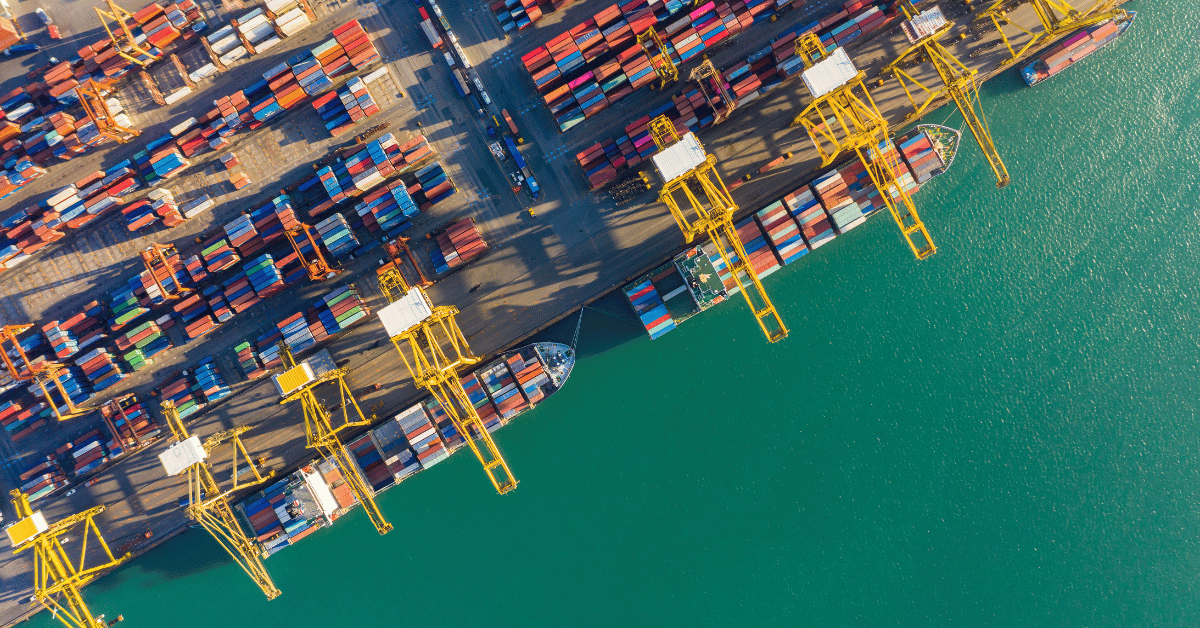
India's push for European shipping collaboration at SMM 2026 arrives as the sector confronts rising geopolitical and economic pressures. The gathering signals a deliberate move toward integrated maritime strategy, where shared data and calibrated responses matter more than unilateral action. This is not about optics; it is about building resilience. For those tracking the broader picture, our coverage of the bulk carrier freed near Gladstone offers a practical reminder of how operational challenges test that very resilience.
China, Pakistan, and CPEC: A Comparative Look at Plastic Pollution Laws
China and Pakistan both face the escalating threat of marine plastic pollution, yet their legal landscapes diverge sharply. China's revised Marine Environmental Protection Law, effective January 2024, offers a centralized, full-chain framework with strong enforcement tools. Pakistan's PEPA 1997, while foundational, struggles with fragmented provincial authority and uneven implementation. The proposed CPEC cooperation mechanism is a pragmatic step, though it must reconcile these constitutional asymmetries. For deeper context on regional maritime pressures, our coverage of Gulf of Oman STS transfers highlights similar transboundary challenges.