human remains
human remains at World Data Ocean is a file of 3 stories. The newest of them: “Bulgarian DNA tests confirm human remains found on tanker linked to Wine Trader”, “Submerged Fishing Vessel Located, Human Remains Identified”, and “Respecting the Past, Shaping Ethical Research on Human Remains”. Bulgarian prosecutors have ordered DNA tests on severely damaged human remains found aboard a chemical tanker linked to the drone-hit Wine Trader. More than five years after the *Emory Jay* went down off Rhode Island on New Year's Day 2019, the vessel has been located, along with human remains identified as one of the fishermen. A Global Hub for Ocean Intelligence 4 World Data Ocean is a centralized digital platform where researchers, scientists, and ocean enthusiasts converge to… The list below is every human remains story on World Data Ocean, newest first.
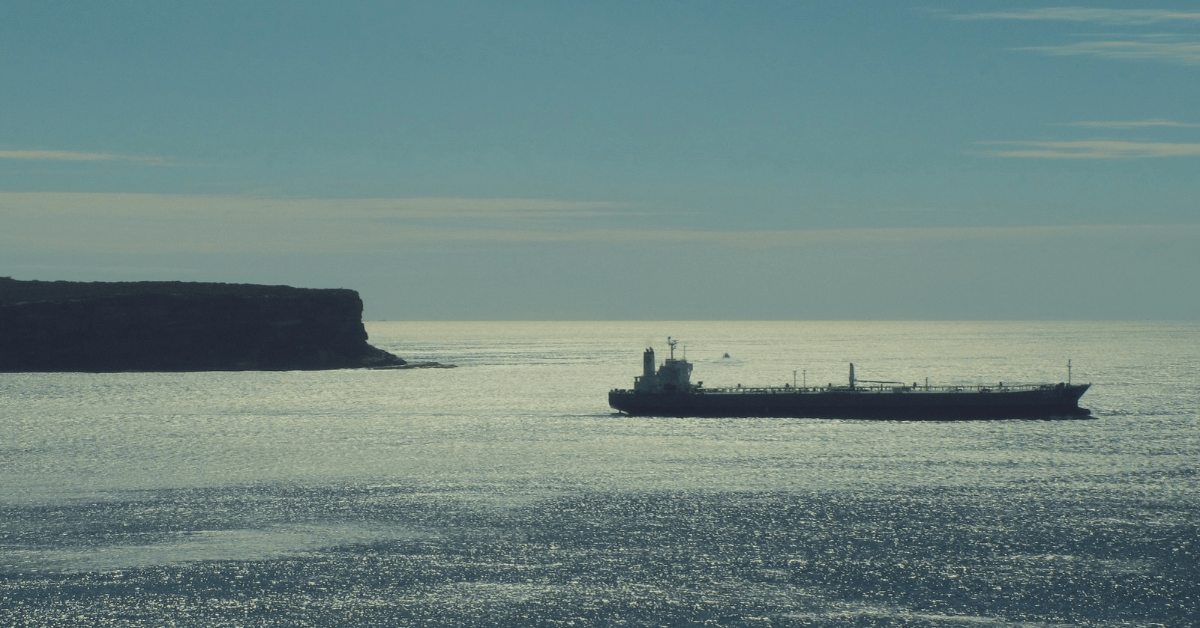
Bulgarian DNA tests confirm human remains found on tanker linked to Wine Trader
Bulgarian prosecutors have ordered DNA tests on severely damaged human remains found aboard a chemical tanker linked to the drone-hit Wine Trader. The empirical evidence emerging from this investigation underscores a stark reality: maritime security threats are not abstract risks but measurable, human tragedies. Validated forensic data will be essential for establishing accountability. For deeper analysis of the systemic dangers seafarers now face, read our coverage of the IMO Council's recent statement on calibrated protections.

Submerged Fishing Vessel Located, Human Remains Identified
More than five years after the *Emory Jay* went down off Rhode Island on New Year's Day 2019, the vessel has been located, along with human remains identified as one of the fishermen. Closure, even partial, is a form of progress, but it underscores how slowly the sea surrenders its answers. This find is a reminder that ocean intelligence is built on persistence.

Respecting the Past, Shaping Ethical Research on Human Remains
Science advances by confronting its own failures. Nancy Shute, Editor in Chief, opens a necessary conversation about the history of unethical practices in research on human remains, a past marked by exploitation and harm. Yet her focus is not merely retrospective; it charts a deliberate path toward rigorous, respectful standards that define modern ocean intelligence. This is how we integrate ethical calibration into empirical work: by acknowledging missteps and building a more responsible foundation.