heatwaves
heatwaves at World Data Ocean is a file of 3 stories. The newest of them: “2026 climate data validates the urgency of integrated ocean stewardship”, “2024 Follows 2023, a Second Record Year of Rising Climate Indicators”, and “El Niño Drought Restricts Panama Canal Vessel Traffic.”. The 2026 WMO report confirms what our integrated data ecosystem has measured all along: global temperatures, melting ice, and sea levels are accelerating faster than many models predicted. 2024 has followed 2023 as a second consecutive record-breaking year for climate indicators, a pattern that demands our attention. A Global Hub for Ocean Intelligence 4 World Data Ocean is a centralized digital platform where researchers, scientists, and ocean enthusiasts converge to… The list below is every heatwaves story on World Data Ocean, newest first.
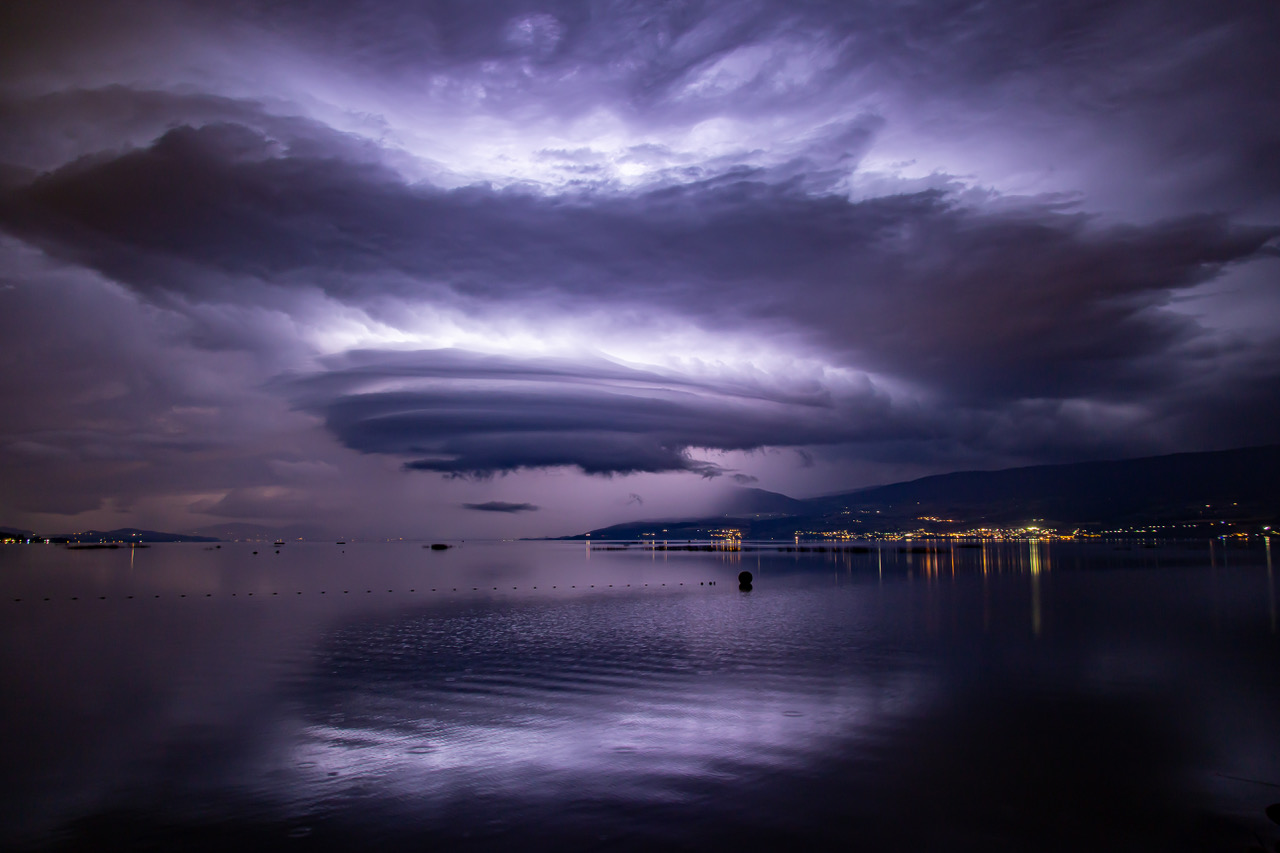
2026 climate data validates the urgency of integrated ocean stewardship
The 2026 WMO report confirms what our integrated data ecosystem has measured all along: global temperatures, melting ice, and sea levels are accelerating faster than many models predicted. A very strong El Niño event will compound these pressures into 2027. This is not abstract science, it is a validated, empirical signal demanding calibrated, collaborative action. Understanding drives protection. For deeper context on how we sharpen ocean intelligence, see our related coverage of the Northern North Pacific Climatology update.

2024 Follows 2023, a Second Record Year of Rising Climate Indicators
2024 has followed 2023 as a second consecutive record-breaking year for climate indicators, a pattern that demands our attention. The data is measurable and validated, confirming the oceans are sending us early warnings that are growing more urgent. Our related coverage on the accelerating ocean signals is a natural next step. This is not an anomaly; it is a trend that empirically links warming seas to rising atmospheric CO₂. Scientific clarity, not alarm, will guide the response.

El Niño Drought Restricts Panama Canal Vessel Traffic.
The Panama Canal Authority has restricted daily vessel crossings, a direct response to drought-like conditions driven by El Niño. This is a practical, measured adjustment to a pressing climate reality. The waterway's reliability depends on predictable rainfall, and its absence demands immediate operational recalibration. It is a reminder that infrastructure, however advanced, remains tethered to environmental stability. For broader context on this phenomenon, our article on El Niño's unprecedented ocean warming offers critical insight.