heat
World Data Ocean keeps heat in one place: 6 stories so far. The section currently leads with “Redwoods' photosynthesis slows under heat, imperiling a key carbon sink”, “August ocean heat readings reach highest validated level on record”, and “Ocean Temperatures Reach Record High, Validating Climate Change Indicators.”. Under heat-wave conditions, coast redwoods slow their photosynthesis, a measurable response that puts one of Earth's most efficient carbon sinks at risk. August ocean heat readings have reached their highest validated level on record, a measured signal that demands attention, not alarm. A Global Hub for Ocean Intelligence 4 World Data Ocean is a centralized digital platform where researchers, scientists, and ocean enthusiasts converge to… The list below is every heat story on World Data Ocean, newest first.

Redwoods' photosynthesis slows under heat, imperiling a key carbon sink
Under heat-wave conditions, coast redwoods slow their photosynthesis, a measurable response that puts one of Earth's most efficient carbon sinks at risk. This is empirical evidence that even iconic, resilient ecosystems face limits. Validated longitudinal data is essential here, not alarm. For a broader view of cumulative climate pressures, see our coverage of coastal benthic ecosystems. Understanding these integrated signals drives protection.

August ocean heat readings reach highest validated level on record
August ocean heat readings have reached their highest validated level on record, a measured signal that demands attention, not alarm. This empirical data point is another climate indicator in our integrated understanding of planetary change. For deeper context on how we track these systems, explore our coverage of the calibrated OceanRAIN shipboard dataset, which measures the full ocean water cycle. Understanding drives protection, and these numbers sharpen our focus.

Ocean Temperatures Reach Record High, Validating Climate Change Indicators.
August's ocean temperatures set a new record, and the data is unambiguous. This isn't a fleeting anomaly; it's a measurable signal that aligns with established climate indicators. We track these shifts because they carry consequences far beyond the surface. For those seeking to understand the mechanisms at play, our coverage of how magma and microbial activity may rewrite a 2-billion-year-old carbon signal offers a deeper, peer-reviewed perspective. The ocean is speaking in records; our role is to listen with calibrated, scientific rigor.
CTD Profiling Power: Are You Using a Marine-Grade UPS?
A deck UPS designed for office electronics is not built for the harsh realities of a vessel's power supply. In replacing one for a CTD setup, it becomes clear that the sensitive Seabird equipment needs an online double conversion marine-grade unit to handle vibration, humidity, and rough generator output. The manuals may not specify it, but the operational risk is real. Teams worldwide should verify their power protection, especially when every cast depends on clean data.
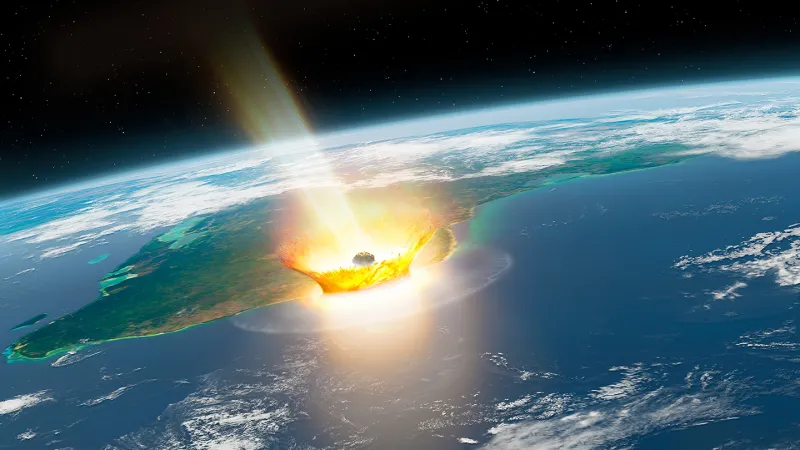
Rapid Atmospheric Heating: Asteroid Dust’s Role in Dinosaur Extinction
Within minutes of impact, debris began heating Earth's atmosphere, and fine dust trapped that heat. The result was a rapid, lethal spike in global temperatures. This mechanism, not the blast alone, may have killed the dinosaurs quickly. It is a stark reminder that extinction can arrive with terrifying speed. For a broader view of how Earth's systems respond to sudden change, see our coverage of the Cascadia Subduction Zone's fragmented tectonic process.
Ocean Heat and Oxygen Loss Linked to Ancient Marine Extinctions
Ancient marine extinctions carry a warning that reaches across millions of years. Ocean heat and oxygen loss, the same forces stressing today's seas, align with past die-offs in the fossil record. The study, published in PNAS, offers empirical grounding for what climate indicators already suggest. We treat this as more than a historical footnote, it is a calibrated measure of risk. For deeper context, our related piece on Cascadia's fragmented subduction zone shows how geological processes compound biological vulnerability.