fisheries
fisheries at World Data Ocean is a file of 15 stories. The newest of them: “Call for Field Researchers to Join Mumbai Coastal Biodiversity Survey”, “E-tools and shared capacity sharpen European Seas fisheries decisions”, and “Anchovy spawning patterns in the Bay of Biscay, measured and clarified”. The Mumbai coast is a living laboratory, and the invitation to survey its biodiversity is exactly the kind of hands-on science that builds real understanding. E-tools and shared capacity are sharpening European fisheries decisions, turning fragmented data into coordinated action. A Global Hub for Ocean Intelligence 4 World Data Ocean is a centralized digital platform where researchers, scientists, and ocean enthusiasts converge to… The list below is every fisheries story on World Data Ocean, newest first.
Call for Field Researchers to Join Mumbai Coastal Biodiversity Survey
The Mumbai coast is a living laboratory, and the invitation to survey its biodiversity is exactly the kind of hands-on science that builds real understanding. Documenting species, sharing observations, and learning together across habitats, this is how field knowledge grows. For PhD students and researchers in marine biology, zoology, or fisheries, it's a chance to turn curiosity into calibrated data. The work is collaborative, empirical, and grounded in the kind of peer-to-peer exchange that strengthens any research community.

E-tools and shared capacity sharpen European Seas fisheries decisions
E-tools and shared capacity are sharpening European fisheries decisions, turning fragmented data into coordinated action. This is not about building new systems in isolation. It's about integrating what already exists: real-time vessel tracking, peer-reviewed stock assessments, and collaborative platforms that connect scientists with policymakers. The result is faster, more precise management of shared seas. For deeper context on how integrated climate indicators measure ocean longevity, see our related coverage on the booming ocean economy. Precision here protects both livelihoods and ecosystems.
Anchovy spawning patterns in the Bay of Biscay, measured and clarified
Anchovy spawning in the Bay of Biscay is not a random drift of eggs and larvae. It is a calibrated, measurable pulse, one that responds to shifting climate indicators with a precision we are only beginning to integrate into our ocean intelligence frameworks. The patterns are empirical, longitudinal, and increasingly vital for fisheries management. Understanding these dynamics drives protection.
Measuring the longevity of a booming ocean economy through integrated climate indicators
The ocean economy is booming, but its longevity depends on what we can measure. UN Trade and Development now asks a critical question: how long can this growth last? The answer lies in integrated climate indicators, validated, empirical data that tracks real-time ocean health. Understanding drives protection. For deeper context, see how the cruise fleet expands its role as a calibrated platform for ocean intelligence. Growth without data is just speculation.
Field-Bound Ecologist Maps a Career Path in Fisheries Observation
A degree in ecology and a minor in marine science can open doors to some of the most demanding field roles on the planet, and this graduate is aiming straight for the deck of a fisheries observer vessel. The decision to take a year between undergraduate study and graduate school is a sound one, especially when it involves collecting empirical data in Alaska's working waters.
Integrated Monitoring Supports Ocean Resilience in Developing Economies
Ocean observation should not be a luxury of wealth. In developing economies, where monitoring gaps align with the highest climate exposure, this co-developed framework proves otherwise. By centering on user needs and open satellite data, it builds capacity without waiting for dense in-situ arrays. The South African OCIMS tool shows how integrated systems accelerate readiness. This is the practical path to resilience. For more on expanding observational reach, see our related coverage, "Bridging Data Gaps: Integrating Citizen Science for Ocean Intelligence."
Brazil’s Climate Policy Gap: Fisheries and the Missing Low-Carbon Shift
Brazil's climate governance has a blind spot, and it sits on the water. Of 110 federal legal instruments reviewed, only 14 showed direct or indirect relevance to the fishing fleet, and none addressed core mitigation needs like emission inventories or decarbonization targets. Meanwhile, nearly 5.25 billion liters of diesel flowed to the sector between 1997 and 2025. That is not a neutral gap; it is a structural choice. For a nation central to climate diplomacy, fisheries remain a missing link in its low-carbon transition.
Ghana's Central Coast: Erosion Threatens Ecosystem Services and Livelihoods
Ghana's central coastline is retreating at a measured but persistent pace, with erosion rates averaging nearly two meters per year. That is not abstract data; it is the foundation of fisheries, tourism, and community stability. Our analysis of satellite imagery from 2000 to 2024 confirms erosion hotspots near Anomabo, Apam, and Winneba, while protected stretches hold their ground. This study underscores the need for site-specific interventions, not broad strokes.

Integrated Ocean Intelligence: EU’s OceanEye Initiative Advances Real-Time Data.
The EU's OceanEye initiative is turning real-time ocean observation into a shared, measurable asset. By integrating data from orbit to sea floor, it gives researchers and policymakers a clearer, peer-reviewed picture of climate indicators as they shift. That kind of empirical clarity is what effective stewardship demands. For context on how marine data travels, our coverage of integrated subsea cables across the Indian Ocean pairs well with this story. Ocean intelligence works best when the whole system is connected.
Empowering Ocean Insights: Global Fishing Watch Data Now in ArcGIS.
Global Fishing Watch data is now live in ArcGIS Online and the Living Atlas, bringing validated, real-time ocean intelligence directly into the hands of researchers and policymakers. This integration is a practical step toward measurable stewardship, and we're glad to see it. For those tracking enforcement efforts, our related piece on Maritime Interdictions shows how such tools support security at sea. Understanding drives protection, and this data ecosystem makes that understanding more accessible than ever.
Data Integration Drives Low-Carbon Fisheries in China
New digital infrastructure is not a neutral tool; it is a measurable lever for decarbonization. Our analysis of 30 provincial regions from 2004 to 2024 confirms that such infrastructure significantly cuts fishery carbon emissions, with effects that spill across regional lines. The indirect benefits even outweigh local ones. This is empirical proof that integrated data ecosystems can drive real climate progress. For broader maritime context, see our coverage of record port activity reflecting rising Chinese exports.
Fisher Pathways: Understanding Circle Hook Adoption for Sea Turtle Protection
Circle hooks are proven to reduce sea turtle bycatch, yet their adoption across Eastern Pacific longline fleets remains uneven. This study of Ecuadorian and Costa Rican fisheries reveals a critical distinction: acceptance of a conservation technology does not equal support for it. Early experiences shaped outcomes, with market access and gear quality driving divergence. The findings carry weight for ocean security efforts, much like the work highlighted in our coverage of maritime interdictions. Understanding these social contingencies is essential for scaling conservation gains.
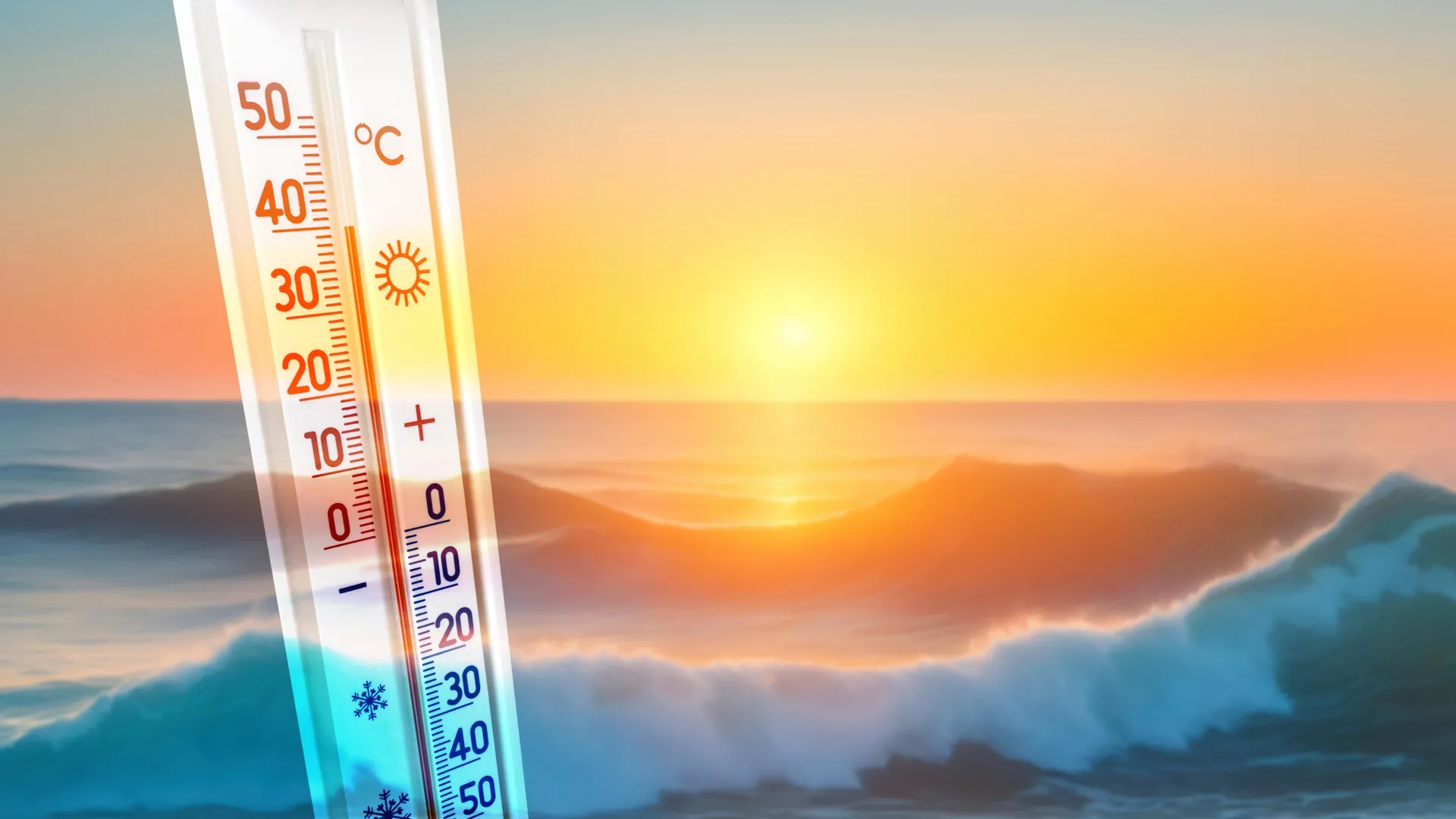
Ocean Warming's Ripple Effects: A Growing Threat to Human Health
Marine heatwaves are no longer just an ocean problem. They are a human health problem, and that distinction matters. As unusually hot waters fuel stronger storms, trigger harmful algal blooms, and strain seafood supplies, coastal communities face mounting risks to their livelihoods and mental well-being, from anxiety to grief. This is a measurable, peer-reviewed concern that demands our attention. Understanding these ripple effects is the first step toward integrated responses.
Bridging Research and Collaboration: Marine Science Opportunities in Indonesia
A Fulbright research grant is a commitment to shared understanding, and for this student, it starts with a practical problem: securing a sponsor. The visa requires a named partner, even when funding is self-arranged. This is a common hurdle, but one that demands creative networking. The request is straightforward, and the solution lies in connection. For those in Indonesian marine science, your networks are the bridge. We recommend reading *Bridging Data Gaps: Integrating Citizen Science for Ocean Intelligence* for related context on collaborative research.
MPA Governance: Balancing Conservation and Blue Economies in Island Nations
Marine protected areas in island nations often promise more than they deliver. Fiji, Palau, and Taiwan's marine governance system each show that designating ocean space is not the same as governing it effectively. The real variable is institutional coherence: whether fisheries, maritime industries, and conservation speak to each other across agencies and levels. Coverage alone falls short. Governance alignment, not area size, determines whether MPAs support climate-resilient blue economies. For those tracking enforcement and monitoring gaps, the lessons here are practical.