environmental regulations
environmental regulations at World Data Ocean is a file of 3 stories. The newest of them: “From Awareness to Action: Measuring the Organizational Climate for Green Shipping”, “Integrated Vessel Management Bolsters Safety Across MOL's Fleet”, and “Iran Implements Transit Fees for Ships Through Strait of Hormuz”. Environmental values alone rarely translate into action. MOL's decision to consolidate management of over 200 vessels under MOLGSM signals a firm commitment to operational rigor across the fleet. A Global Hub for Ocean Intelligence 4 World Data Ocean is a centralized digital platform where researchers, scientists, and ocean enthusiasts converge to… The list below is every environmental regulations story on World Data Ocean, newest first.

From Awareness to Action: Measuring the Organizational Climate for Green Shipping
Environmental values alone rarely translate into action. A study of 463 maritime employees reveals that psychological capital, the reservoir of hope, efficacy, resilience, and optimism, serves as the critical bridge. Organizational green climate amplifies this pathway, turning awareness into measurable pro-environmental behavior. Shipping companies cannot rely on slogans. They must cultivate internal psychological resources and a supportive culture.
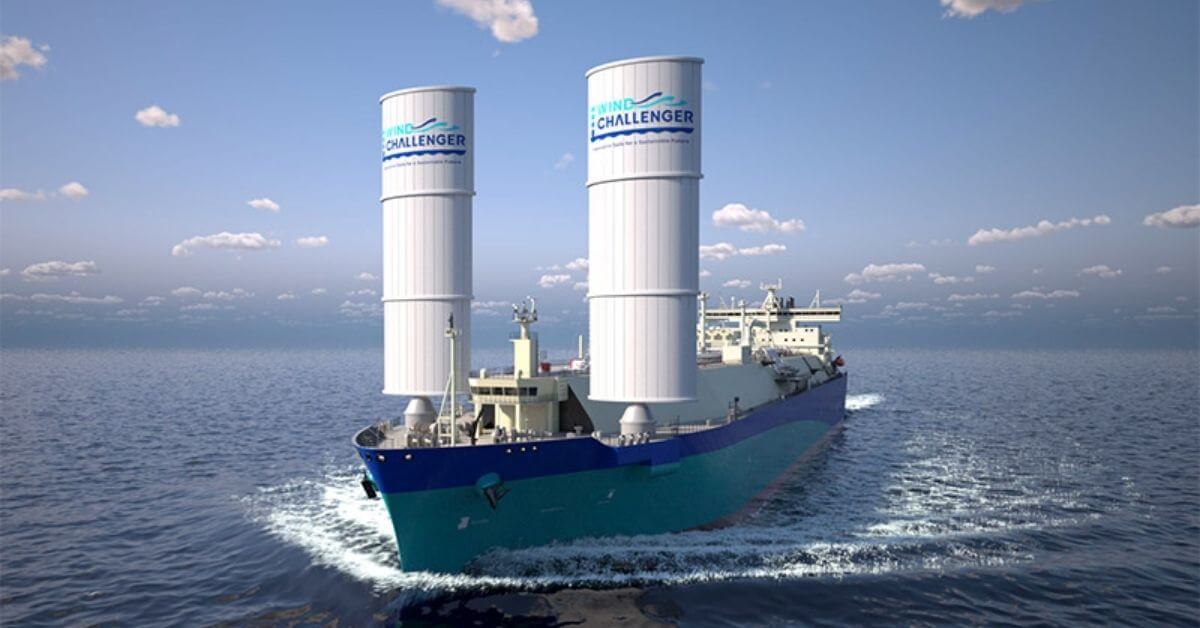
Integrated Vessel Management Bolsters Safety Across MOL's Fleet
MOL's decision to consolidate management of over 200 vessels under MOLGSM signals a firm commitment to operational rigor across the fleet. Centralizing oversight under one banner should sharpen accountability and streamline safety protocols, which is exactly the kind of integrated thinking the industry needs. It is a practical move, grounded in structure rather than spectacle. For readers tracking how operational efficiency intersects with design innovation, our piece on LNG carrier optimization offers a useful counterpoint.

Iran Implements Transit Fees for Ships Through Strait of Hormuz
Iran's decision to impose transit fees on ships passing through the Strait of Hormuz introduces a calibrated layer of accountability to one of the world's most vital maritime corridors. Covering navigation, environmental support, fuel supply under specific conditions, and insurance, the measure frames safety as a service with measurable value. It is a pragmatic step, though one that warrants close observation. For broader context on regional shipping pressures, our related coverage of Gulf of Oman STS transfers offers useful perspective.