Energy Security
World Data Ocean keeps Energy Security in one place: 5 stories so far. The section currently leads with “Eighty Nations Urge Reopening of Vital Strait of Hormuz Shipping Lane”, “Securing Energy: Japan Plans Integrated Pipeline Network Beyond Hormuz Strait”, and “Aegir Sonar: AI-Powered Maritime Security for Enhanced Underwater Intelligence”. Eighty nations, led by Bahrain's foreign minister, have formally urged the United Nations to reopen the Strait of Hormuz, a waterway that carries nearly a fifth of global oil supply. Japan is moving to secure its energy lifeline with an integrated pipeline network designed to bypass the Strait of Hormuz, a strategic chokepoint where geopolitical friction carries real economic weight. A Global Hub for Ocean Intelligence 4 World Data Ocean is a centralized digital platform where researchers, scientists, and ocean enthusiasts converge to… The list below is every Energy Security story on World Data Ocean, newest first.
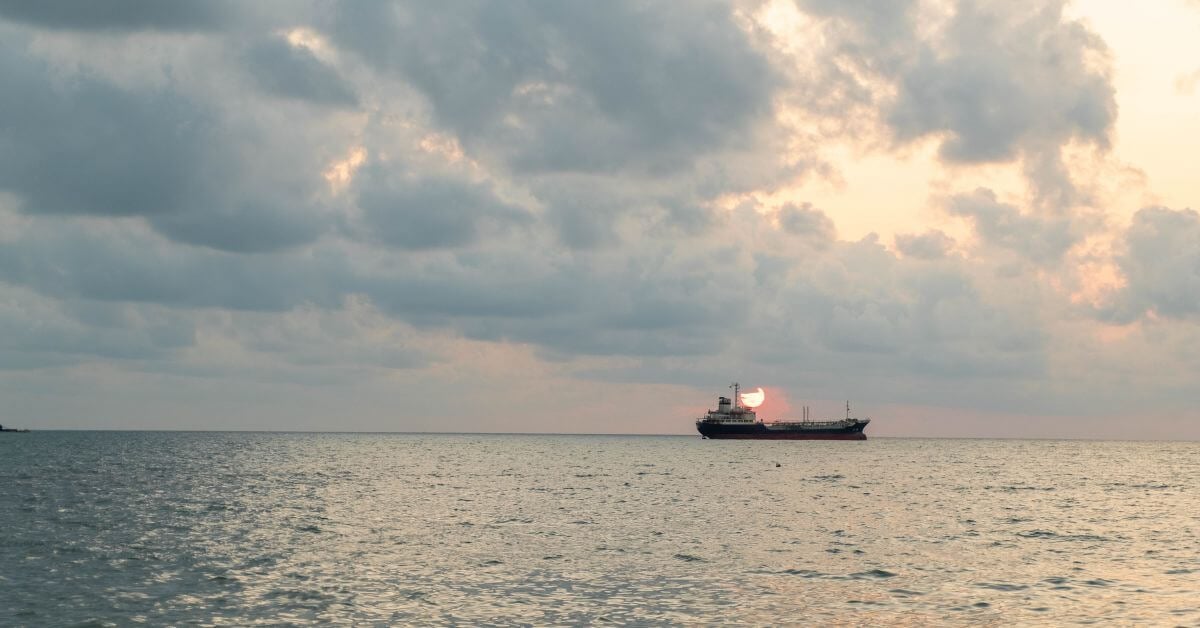
Eighty Nations Urge Reopening of Vital Strait of Hormuz Shipping Lane
Eighty nations, led by Bahrain's foreign minister, have formally urged the United Nations to reopen the Strait of Hormuz, a waterway that carries nearly a fifth of global oil supply. The collective call is a measured but firm push for maritime stability, grounded in shared economic and security interests. Diplomacy, not disruption, is the clearest path forward here. For those tracking the region's momentum, our related piece on phased negotiations between Washington and Tehran offers useful context on what reopening might actually require.
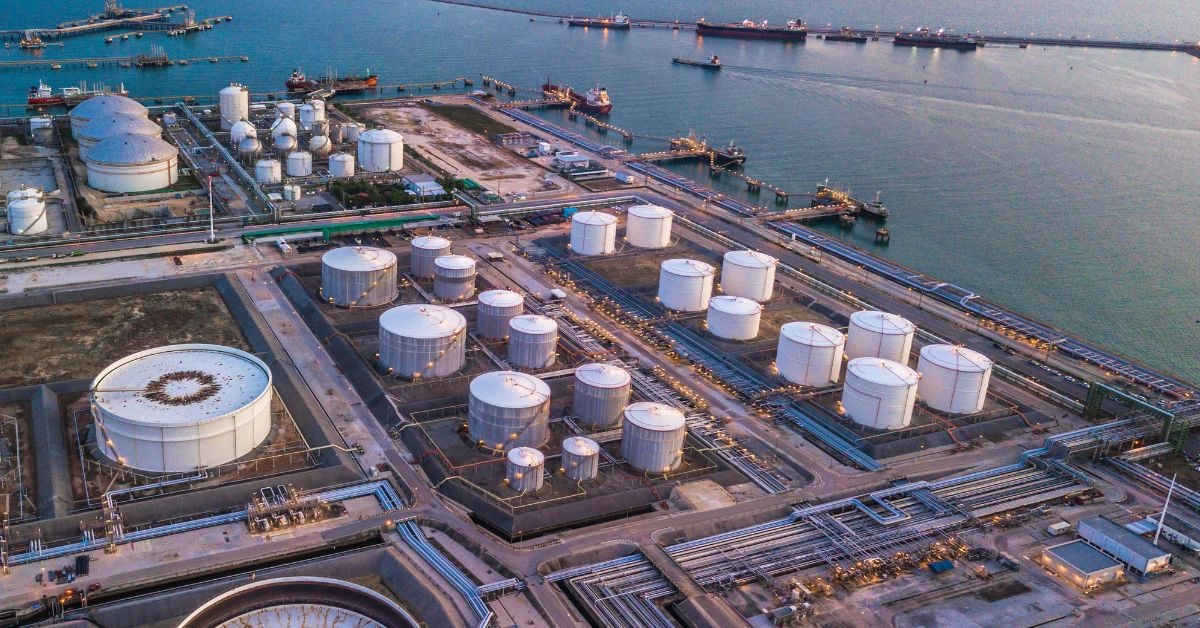
Securing Energy: Japan Plans Integrated Pipeline Network Beyond Hormuz Strait
Japan is moving to secure its energy lifeline with an integrated pipeline network designed to bypass the Strait of Hormuz, a strategic chokepoint where geopolitical friction carries real economic weight. The plan reflects a calculated shift toward resilience, not alarm. It is a measured response to a fragile maritime route, and one that warrants attention as global supply chains recalibrate. For broader context on regional bottlenecks, our related coverage on Gulf of Oman STS transfers offers a useful lens.

Aegir Sonar: AI-Powered Maritime Security for Enhanced Underwater Intelligence
The Aegir range answers a clear operational need: sonar systems designed for precise, real-time underwater awareness. This is not about novelty; it is about calibrated, measurable capability when maritime domain awareness is most demanding. The intelligence is practical and immediate. For broader geopolitical context on why such capabilities matter now, our coverage of the Strait of Hormuz shipping lane discussions offers a relevant perspective. Aegir provides the empirical tool for a complex reality.

Navigating Community Views: Marine Energy's Path Forward in Chile
Chile's transition to marine energy hinges on more than turbines and currents; it hinges on trust. A new choice experiment with 1,200 respondents reveals two dominant public preference classes: younger, educated, higher-income citizens prioritize marine fauna impacts, while older, less wealthy groups focus on energy costs. This heterogeneity is a practical map for policy design. Yet, persistent distrust in energy institutions signals a clear mandate.

Strait of Hormuz Incident: Geopolitical Tensions Impact Maritime Trade
The Strait of Hormuz is a chokepoint, and the strikes on the Mombasa and Al Bahiyah prove how quickly that geography translates into real-world consequence. Two Iranian cruise missiles targeting commercial tankers is not a background noise issue; it is a direct fiscal and physical threat to the lanes that move global energy. The incident demands a measured response, not alarm.