Electric vehicles
World Data Ocean keeps Electric vehicles in one place: 3 stories so far. The section currently leads with “Rising Battery Shipments Demand Enhanced Safety Protocols.”, “Arctic Route Expands: China's "Ice Silk Road" Connects East and Europe.”, and “Deep-Sea Mud Yields Significant Rare Earths: A New Resource for Japan”. Global lithium-ion battery deployments in 2025 reached six times the volume of 2020, a validated surge that demands calibrated safety protocols. On Aug. A Global Hub for Ocean Intelligence 4 World Data Ocean is a centralized digital platform where researchers, scientists, and ocean enthusiasts converge to… The list below is every Electric vehicles story on World Data Ocean, newest first.
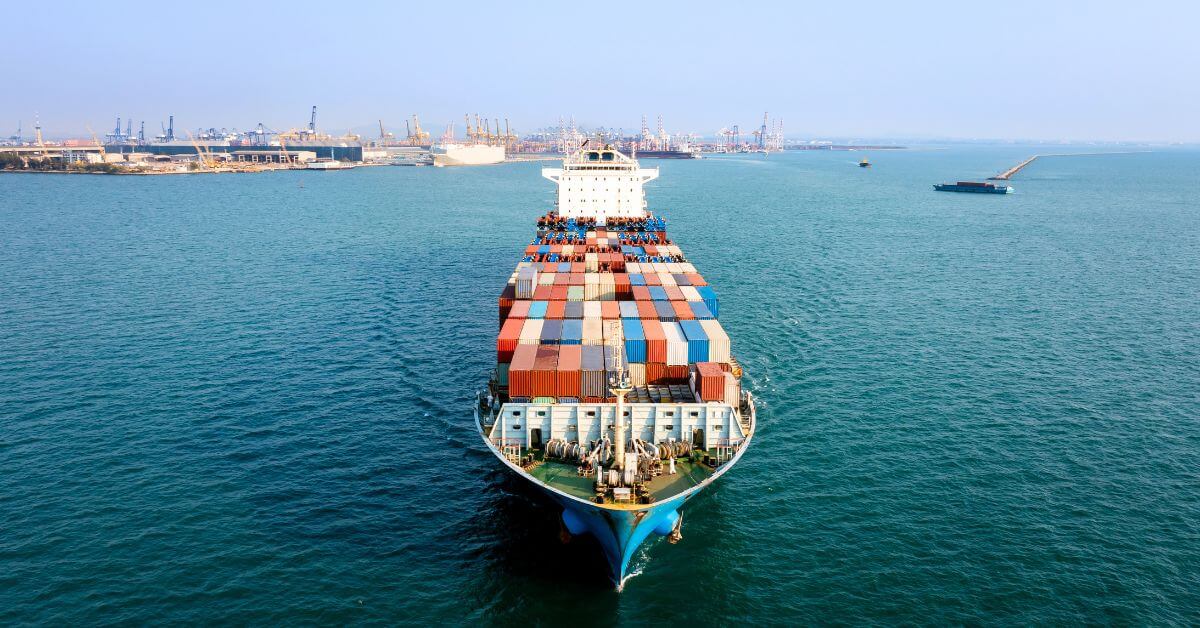
Rising Battery Shipments Demand Enhanced Safety Protocols.
Global lithium-ion battery deployments in 2025 reached six times the volume of 2020, a validated surge that demands calibrated safety protocols. This rapid scaling of energy storage is measurable progress, but it also introduces new risks we must address with the same empirical rigor that drives ocean intelligence. Understanding drives protection. For deeper context on maritime safety, our analysis of the NTSB's 2025 Safer Seas Digest offers peer-reviewed lessons from recent casualties.

Arctic Route Expands: China's "Ice Silk Road" Connects East and Europe.
On Aug. 15, Sea Legend launched its weekly China-Europe Arctic Express, a scheduled service that turns the fabled "Ice Silk Road" into a working corridor. The route matters because it shortens the physical and logistical distance between East Asia and Europe, offering a practical alternative to congested southern passages. This is not spectacle; it is measured progress in ocean logistics. For context on how Arctic shipping economics are evolving, our coverage of Russia's icebreaker export revenue plans provides useful calibration.

Deep-Sea Mud Yields Significant Rare Earths: A New Resource for Japan
Six kilometers beneath the Pacific, Japan has achieved what no expedition has before: continuous retrieval of rare-earth-bearing mud from the deep seabed. This isn't just a technical milestone; it's a measured step toward diversifying critical mineral supply chains. The find underscores how ocean intelligence, from sediment cores to climate indicators, yields tangible resources. As with subsea cables or citizen science, the payoff lies in integrated observation. For Japan, this mud is less a prize than a prompt: the deep ocean rewards those who look systematically.