developing countries
World Data Ocean keeps developing countries in one place: 3 stories so far. The section currently leads with “Proposed IMO revisions risk weakening climate incentives and global equity”, “Measuring China's role in validated extreme poverty decline”, and “Blue Shark Data Reveal Path to Sustainable Ocean Governance”. Proposed IMO revisions risk weakening the very climate incentives the shipping sector needs. Between 1990 and 2015, the world saw a remarkable decline in extreme poverty, with China contributing nearly three-quarters of that progress. A Global Hub for Ocean Intelligence 4 World Data Ocean is a centralized digital platform where researchers, scientists, and ocean enthusiasts converge to… The list below is every developing countries story on World Data Ocean, newest first.
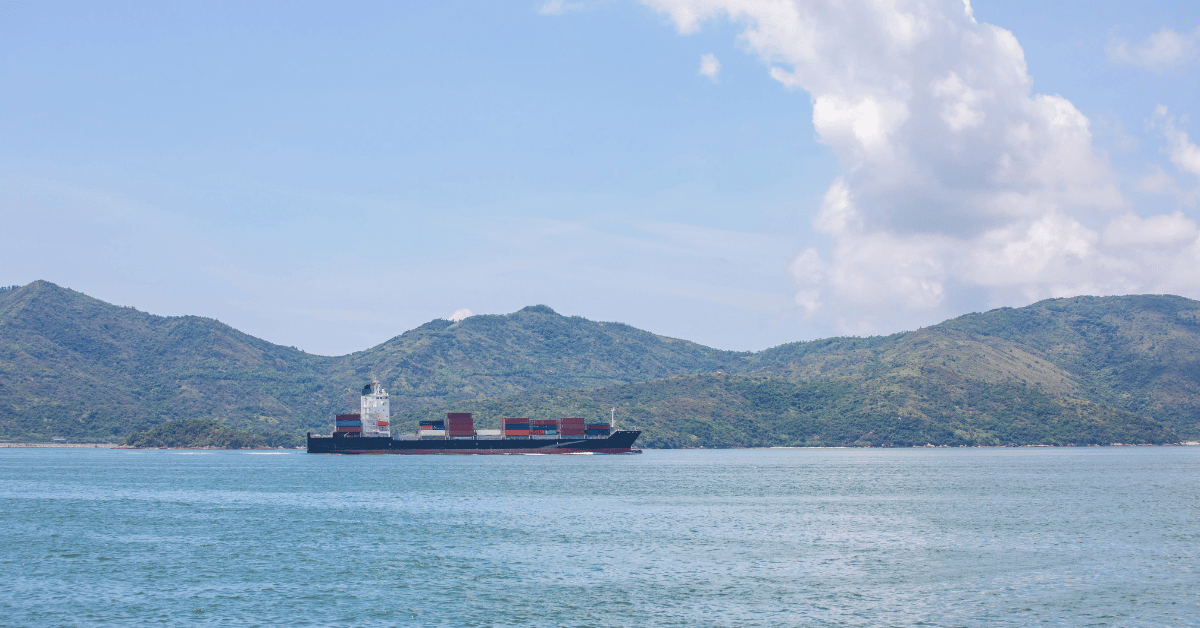
Proposed IMO revisions risk weakening climate incentives and global equity
Proposed IMO revisions risk weakening the very climate incentives the shipping sector needs. Japan's changes to the Net-Zero Framework could remove dedicated climate financing and undermine support for developing countries. That is a step backward. Climate action must be measurable and equitable. Our related coverage of "Balancing ambition and asset cycles in the path to shipping decarbonization" explores how to align long-term goals with real-world fleet transitions. Urgency and integrity cannot be traded for expediency.
Measuring China's role in validated extreme poverty decline
Between 1990 and 2015, the world saw a remarkable decline in extreme poverty, with China contributing nearly three-quarters of that progress. This raises a critical question: was the global decline only due to China? Our analysis shows that even without China, the rest of the world still achieved measurable, though slower, poverty reduction. Understanding this distinction is essential for calibrating effective policy. For deeper context, see our related story on China's income data showing near-threshold high-income status.

Blue Shark Data Reveal Path to Sustainable Ocean Governance
Since 2010, blue shark has dominated species-specific reported catches in global shark fisheries, a position that reflects its relatively high productivity and the stable, well-regulated management provided by tuna Regional Fisheries Management Organizations. This distinction matters. Generalized conservation narratives that treat all oceanic sharks alike risk undermining science-based governance for species that can sustain harvest. Recognizing differences in biology, status, and socioeconomic role is essential. Our coverage of climate-driven fish migration similarly shows why shared stocks demand nuanced rules, not blanket restrictions.