deoxygenation
5 stories filed under deoxygenation on World Data Ocean. The newest of them: “Coastal benthic ecosystems reveal the cumulative toll of climate and human pressures”, “Ocean Warming Reshapes Zooplankton, Impacting Marine Ecosystems Worldwide”, and “Integrating Climate AI for Informed Ocean Impact Assessments”. Coastal benthic ecosystems are telling us something urgent. Zooplankton are not drifting passively through this crisis; they are being actively reshaped by it. A Global Hub for Ocean Intelligence 4 World Data Ocean is a centralized digital platform where researchers, scientists, and ocean enthusiasts converge to… The list below is every deoxygenation story on World Data Ocean, newest first.

Coastal benthic ecosystems reveal the cumulative toll of climate and human pressures
Coastal benthic ecosystems are telling us something urgent. Rising temperatures, acidification, and deoxygenation now converge with eutrophication, pollution, and bottom trawling, reshaping biodiversity from shallow coasts to continental margins. These compounded stressors simplify assemblages, alter trophic pathways, and push ecosystems toward critical thresholds. Yet recent advances, environmental DNA metabarcoding, automated imaging, multi-stressor experiments, are sharpening our ability to detect and understand these changes at scale.
Ocean Warming Reshapes Zooplankton, Impacting Marine Ecosystems Worldwide
Zooplankton are not drifting passively through this crisis; they are being actively reshaped by it. Ocean warming, stratification, and acidification are filtering species by their traits, reorganizing communities in ways that ripple from grazing rates to carbon export. What stands out is the variability: jellyfish and krill respond differently, and those differences will strengthen some pathways while weakening others. Predicting the ocean's future demands integrating long-term observations with mechanistic models, and this review makes that urgency clear.
Integrating Climate AI for Informed Ocean Impact Assessments
Climate change is redrawing the map of ocean governance, and environmental impact assessments are being pushed toward sharper, more structured standards. From UNCLOS to the BBNJ Agreement, the regulatory bar is rising. Climate AI can meet that moment, not as an add-on, but as a core engine for forecasting, monitoring, and scenario modelling. A standards-driven framework turns complex climate data into reviewable evidence. That is the path to decisions that hold up under pressure.
Cold Seeps: Unlocking Climate Insights and Assessing Human Impact.
Cold seeps quietly move methane from deep geologic stores into the ocean, yet their role in climate regulation remains underappreciated. This new perspective reframes them through a blue carbon lens, detailing how chemosynthetic communities recycle carbon, store it as biomass, and even block vent emissions. The stakes are clear: bottom trawling and warming waters could turn these reservoirs into methane sources. Understanding drives protection. For broader context on climate-driven ocean change, our coverage of Atlantic Circulation Weakens: Global Climate Reshaping Predicted complements this work.
Ocean Deoxygenation Accelerates, Threatening Life and Climate Stability
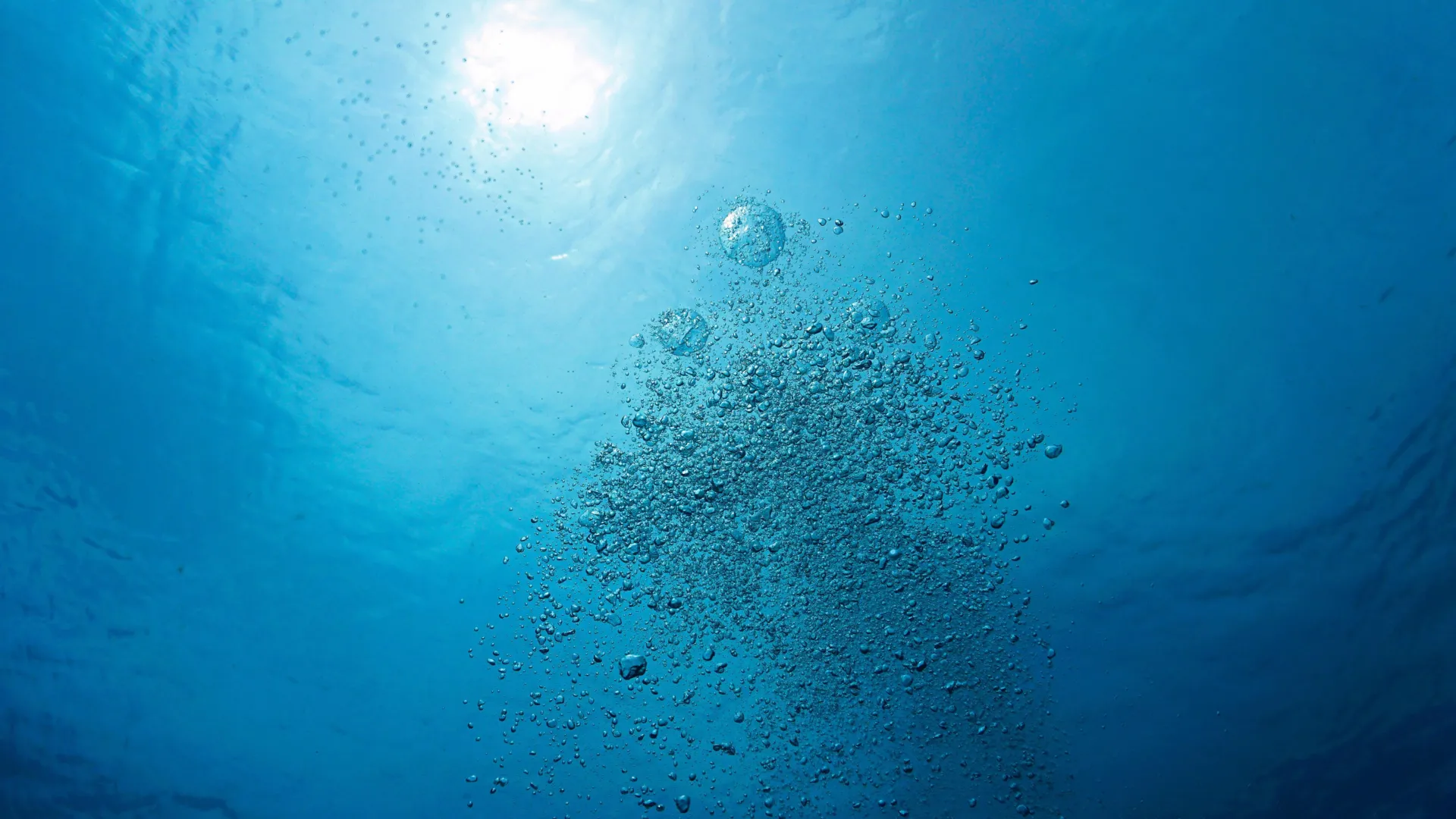
Oxygen is vanishing from the ocean, and from lakes, rivers, and coastal waters, at a rate that should sharpen our focus. This deoxygenation does not merely stress marine life; it erodes the natural systems that help stabilize Earth's climate. Scientists link this decline directly to warming, pollution, and ocean acidification, making it a compounding planetary threat. We treat this as a measured alarm: the evidence is empirical, and the need for integrated observation has never been clearer.