decision making
7 stories filed under decision making on World Data Ocean. The newest of them: “Navigating Oceanography Careers: Fieldwork, Demand, and Growth by Branch”, “Digital insights for small-scale fisheries governance in Somalia”, and “E-tools and shared capacity sharpen European Seas fisheries decisions”. Choosing a branch of oceanography is a decision best guided by validated, real-world demand rather than passion alone. Small-scale fisheries in Somalia sustain coastal livelihoods and food security, yet fragmented information and weak governance undermine effective management. A Global Hub for Ocean Intelligence 4 World Data Ocean is a centralized digital platform where researchers, scientists, and ocean enthusiasts converge to… The list below is every decision making story on World Data Ocean, newest first.
Navigating Oceanography Careers: Fieldwork, Demand, and Growth by Branch
Choosing a branch of oceanography is a decision best guided by validated, real-world demand rather than passion alone. Among the three, physical oceanography currently shows the strongest measured growth, driven by its integrated data ecosystems and climate indicators essential for both academic research and industry. Biological oceanography offers significant fieldwork. Chemical leans more toward calibrated lab analysis. For field work, physical and biological branches demand more time at sea. Our article, "Pathways to Ocean Science: Untold Stories of Unconventional Beginnings," explores similar career navigation.

Digital insights for small-scale fisheries governance in Somalia
Small-scale fisheries in Somalia sustain coastal livelihoods and food security, yet fragmented information and weak governance undermine effective management. This structured review of 104 peer-reviewed sources finds that digitalization can improve monitoring, coordination, and decision support, but lasting gains in governance remain uneven. Connectivity, digital literacy, and institutional trust matter most. For Somalia, the review identifies an information, governance gap and proposes a coordinated, accountable digital framework. Related coverage of climate-driven fish migration and new rules for shared stocks deepens this picture.
E-tools and shared capacity sharpen European Seas fisheries decisions
E-tools and shared capacity are sharpening European fisheries decisions, turning fragmented data into coordinated action. This is not about building new systems in isolation. It's about integrating what already exists: real-time vessel tracking, peer-reviewed stock assessments, and collaborative platforms that connect scientists with policymakers. The result is faster, more precise management of shared seas. For deeper context on how integrated climate indicators measure ocean longevity, see our related coverage on the booming ocean economy. Precision here protects both livelihoods and ecosystems.
Institutional Interplay: Calibrating BBNJ Governance with Regional Fisheries Bodies
Institutional interplay is no longer a theoretical concern; it is the operational core of BBNJ governance. This study asks whether the mechanisms for mutual deference between the Agreement and regional fisheries bodies are truly ready for action. The answer is conditional. Coordination requires clear rules, early participation, and genuine evaluation of RFMO input. States operating in both regimes will carry the weight of implementation. Readiness, on both sides, will determine whether this relationship strengthens integrated ocean governance.
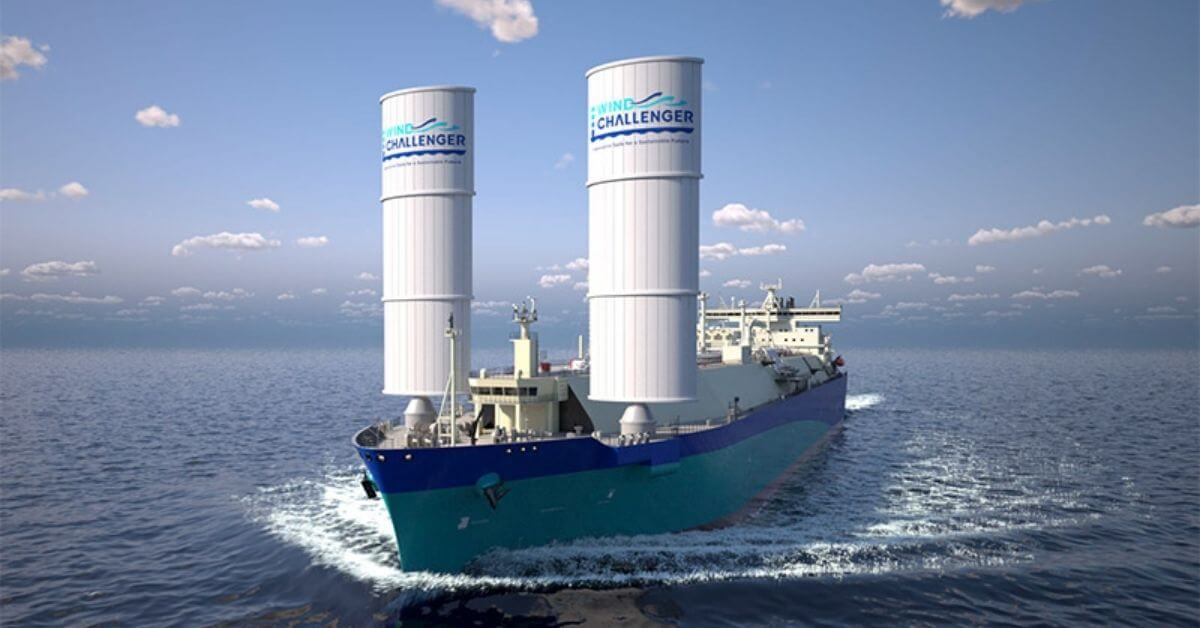
Integrated Vessel Management Bolsters Safety Across MOL's Fleet
MOL's decision to consolidate management of over 200 vessels under MOLGSM signals a firm commitment to operational rigor across the fleet. Centralizing oversight under one banner should sharpen accountability and streamline safety protocols, which is exactly the kind of integrated thinking the industry needs. It is a practical move, grounded in structure rather than spectacle. For readers tracking how operational efficiency intersects with design innovation, our piece on LNG carrier optimization offers a useful counterpoint.
OODA-Informed Navigation: Enhancing Autonomous Ship Decision-Making at Sea
The OODA loop, long a mainstay of tactical decision-making, now finds a compelling application in maritime autonomy. This study confronts a core challenge head-on: collision avoidance systems that falter in complex encounters. By structuring navigation through Observe, Orient, Decide, and Act, the framework creates a closed loop where situational awareness directly informs validated maneuvering decisions. The results, verified on OpenCPN, show all target vessels cleared with DCPA well above safety thresholds. This pragmatic approach to integrating ship domain models with velocity obstacles yields COLREGs-compliant strategies.

Data-Driven Naval Operations: AI Strategy for Maritime Intelligence and Security
The U.S. Navy is building an AI-enabled force to sharpen decision-making and secure maritime superiority. This strategy treats data as a tactical asset, not an abstract concept. It is a measured, empirical approach to naval power, one that prioritizes precision over guesswork. The goal is clear: integrate validated intelligence directly into operations. For deeper context on how this fits with broader efforts, our related coverage of the Navy's new autonomous systems center underscores the same commitment to calibrated, integrated capability.