crew welfare
World Data Ocean keeps crew welfare in one place: 4 stories so far. The section currently leads with “Seafarer Welfare: Integrated Data Reveals Persistent Gaps, Urges Accountability”, “Illness Drives Majority of Crew Fatalities, Data Reveals”, and “Extended Deployment Highlights Demands on Naval Resources and Crew Welfare”. Five years after the Seafarers' Rights Code set sail, the data is clear: progress remains uneven. Crew fatalities at sea are not primarily a story of storms or collisions, but of health. A Global Hub for Ocean Intelligence 4 World Data Ocean is a centralized digital platform where researchers, scientists, and ocean enthusiasts converge to… The list below is every crew welfare story on World Data Ocean, newest first.
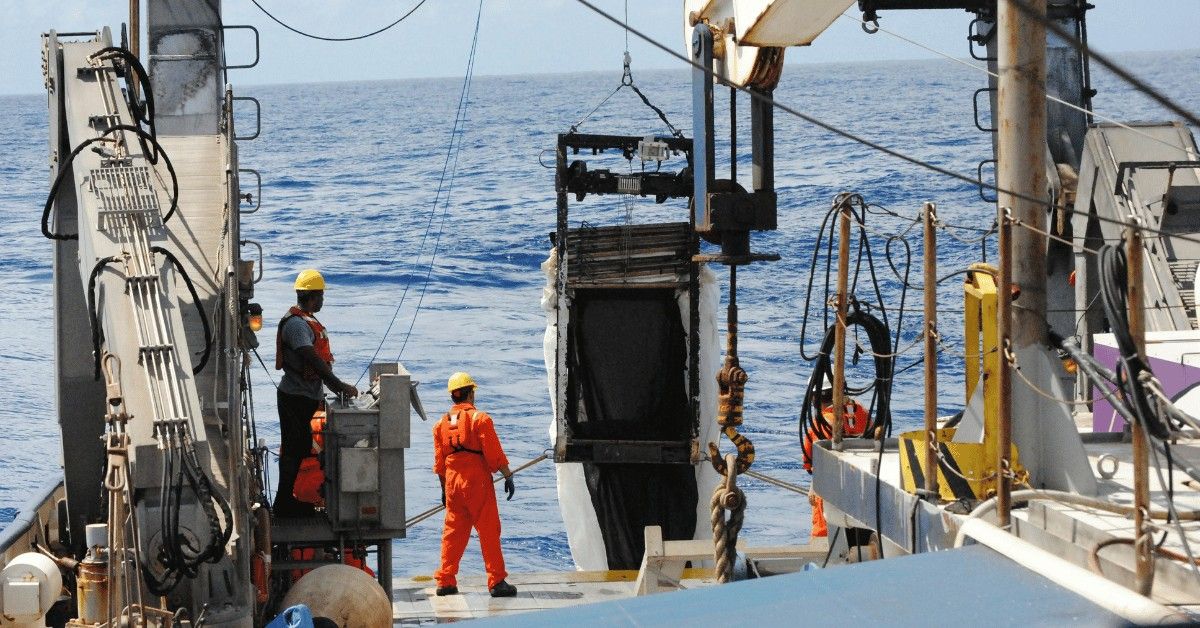
Seafarer Welfare: Integrated Data Reveals Persistent Gaps, Urges Accountability
Five years after the Seafarers' Rights Code set sail, the data is clear: progress remains uneven. While the framework has driven measurable improvements, persistent gaps in pay, crewing, and wellbeing show that accountability is still catching up to intent. That is not a failure of the code; it is a call to calibrate its implementation. For context on how maritime infrastructure is evolving, our coverage of Cochin Shipyard's design expansion offers a useful parallel. Seafarers deserve more than promises; they need validated, integrated action.
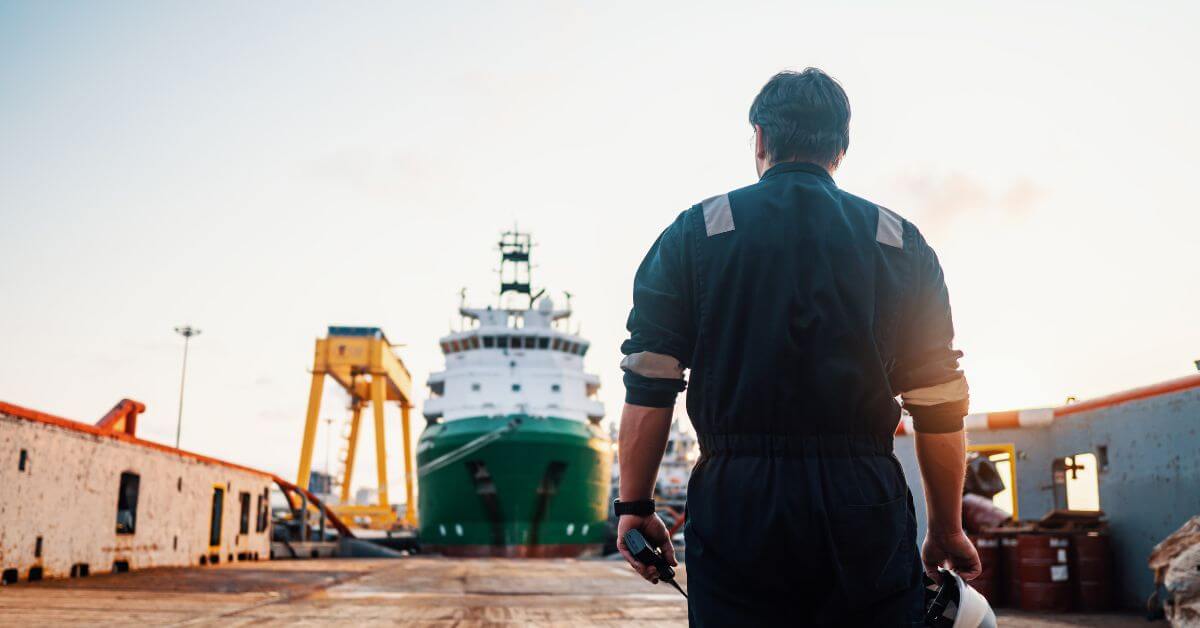
Illness Drives Majority of Crew Fatalities, Data Reveals
Crew fatalities at sea are not primarily a story of storms or collisions, but of health. Illness drove 81% of crew deaths reported to Britannia P&I Club across the 2023/24 and 2024/25 policy years, a figure that reframes how we measure risk at sea. This is a silent crisis, one that demands the same rigor as any navigational hazard.

Extended Deployment Highlights Demands on Naval Resources and Crew Welfare
The USS Abraham Lincoln's 250-plus days at sea mark a significant operational stretch, and the confirmation of its replacement underscores the mounting strain on naval resources. This is not merely a scheduling matter; it is a calibration of endurance against welfare. The carrier's extended deployment highlights a tangible tension between mission demands and crew sustainability. As the Navy accelerates autonomous systems integration for enhanced maritime operations, this moment raises a pressing question: can innovation keep pace with the human cost of prolonged presence?

Enhanced Vessel Monitoring Launched Amidst Gulf of Oman Maritime Concerns
The enhanced vessel monitoring initiative arrives as missile attacks target the MT Al Bahiyah and MT Mombasa near the Strait of Hormuz, a stark reminder that maritime security remains a pressing operational reality. We view this as a calibrated step toward measurable protection, one that aligns with our commitment to ocean intelligence. For broader context on regional pressures, our related piece on Gulf of Oman STS transfers offers useful perspective. The sea demands vigilance, and we intend to track it.