crew safety
7 stories filed under crew safety on World Data Ocean. The newest of them: “Vessel Struck by Unknown Projectile in Strait of Hormuz, Fire Reported”, “Crew Refusal Highlights Strait of Hormuz Risks for Maritime Workers”, and “Real-Time Battery Data Bolsters Navy Submarine Readiness and Safety”. A vessel struck by an "unknown projectile" in the Strait of Hormuz on Monday evening has ignited a fire onboard, marking another dangerous incident in one of the world's most critical maritime chokepoints. A refusal to transit the Strait of Hormuz is not a small decision; it is a direct measure of perceived risk. A Global Hub for Ocean Intelligence 4 World Data Ocean is a centralized digital platform where researchers, scientists, and ocean enthusiasts converge to… The list below is every crew safety story on World Data Ocean, newest first.
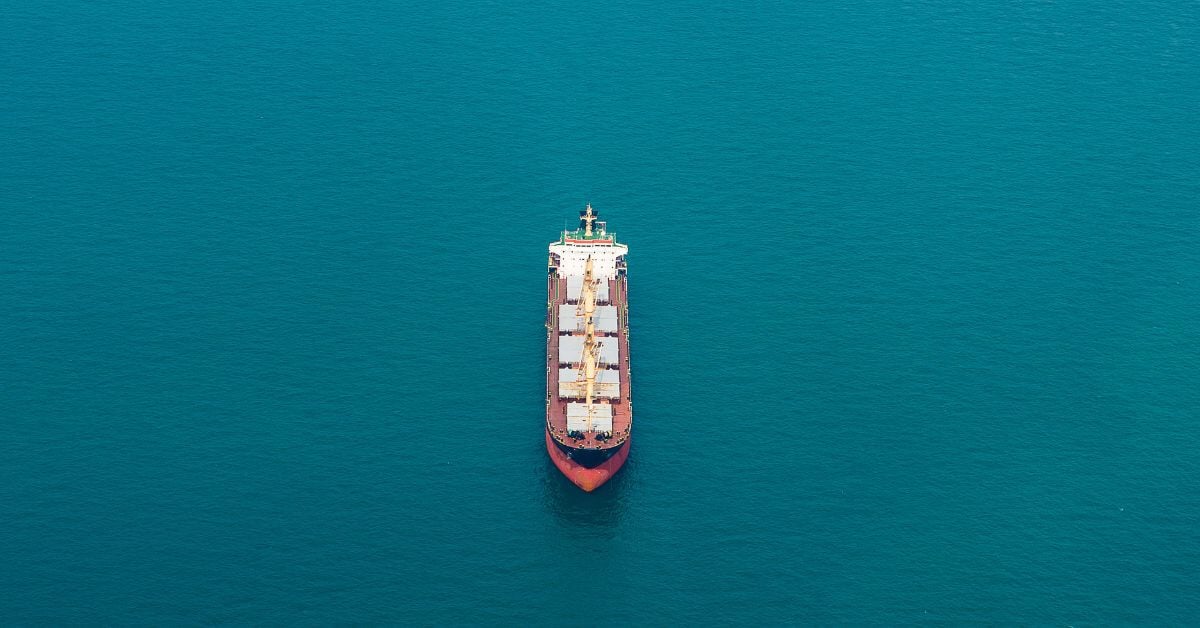
Vessel Struck by Unknown Projectile in Strait of Hormuz, Fire Reported
A vessel struck by an "unknown projectile" in the Strait of Hormuz on Monday evening has ignited a fire onboard, marking another dangerous incident in one of the world's most critical maritime chokepoints. We cannot afford to treat these attacks as isolated events. As we saw in the tragic *June Aster* ferry fire, where 77 lives were lost, the ocean demands rigorous safety protocols and transparent accountability.

Crew Refusal Highlights Strait of Hormuz Risks for Maritime Workers
A refusal to transit the Strait of Hormuz is not a small decision; it is a direct measure of perceived risk. Sixteen Indian crew members aboard the Marshall Islands-flagged AM Pioneer have made that call, and their judgment speaks to the reality facing maritime workers in this waterway. Their choice underscores that safety concerns now outweigh the pressure to keep moving, a point that deserves serious attention from the industry.

Real-Time Battery Data Bolsters Navy Submarine Readiness and Safety
Battery monitoring systems from L3Harris will now support the U.S. Navy's submarine fleet under a new contract with General Dynamics Electric Boat. This is the kind of practical, data-driven upgrade that quietly strengthens readiness where it matters most. Real-time battery data means safer operations and fewer unknowns beneath the surface. For those tracking broader naval shifts, our piece on China's New Nuclear Carrier Signals Extended Naval Operations Capability offers useful context on how undersea and surface power are evolving in parallel.

Shipping Activity in Strait of Hormuz Declines Amid Rising Tensions
Shipping activity in the Strait of Hormuz has slowed markedly as regional tensions rise, with liquefied natural gas traffic particularly hard hit. No LNG carriers have transited the strait since Thursday, a telling sign of how quickly commercial risk reshapes movement through a critical maritime corridor. The data is measurable, and the trend is clear. For those tracking broader patterns, our coverage of Gulf of Oman STS transfers maxing out amid rising Saudi oil exports offers useful context.

Maritime Security Data Reveals Surge in Piracy, Malacca Strait Hotspot
Piracy incidents rose to 137 in 2025, with the Malacca Strait emerging as the primary hotspot, according to the latest maritime security data. The concentration of cases in this critical waterway underscores persistent vulnerabilities in one of the world's busiest shipping lanes. This is not a distant problem; it is a measurable strain on the integrated data ecosystem that underpins global trade.

Increased Threat Levels Prompt Shipping Pause in Strait of Hormuz
The Strait of Hormuz has reached a critical threshold. Greek maritime security firm Diaplous has advised shipping companies to pause voyages through the waterway, citing a heightened threat level that demands immediate attention. This is a measured, necessary step for operational safety. The risk is real, and the guidance reflects a sober assessment of conditions. For context on the broader pressures facing this route, our related piece, "Phased Negotiations Aim to Ease Restrictions on Strait of Hormuz," outlines diplomatic efforts that remain stalled.

Asia Sees Seven-Year Low in Ship Robberies During First Half of 2026
Armed robbery against ships in Asian waters fell to its lowest level in seven years during the first half of 2026, a measurable sign of progress in maritime security. The decline validates sustained patrols and regional coordination, though it is no cause for complacency. Fewer incidents mean safer sea lanes, but the trend must hold across a full year to carry real weight. For broader context on regional naval strategy, our coverage of India's expanded fleet projections offers a useful counterpoint.