continental shelf
World Data Ocean keeps continental shelf in one place: 4 stories so far. The section currently leads with “Chinese Research Vessels Operate Near Alaskan Coast, Raising Security Concerns”, “Tracking Shark Movements Reveals Insights for Marine Sanctuary Protection”, and “Exploring Ocean Depths: India's Waters and the Search for Submarine Trenches”. The presence of Chinese research vessels near the Alaskan coast signals a new layer of complexity in Arctic oversight. Silky sharks favor natural banks in winter and spring, then shift to artificial reefs in summer. A Global Hub for Ocean Intelligence 4 World Data Ocean is a centralized digital platform where researchers, scientists, and ocean enthusiasts converge to… The list below is every continental shelf story on World Data Ocean, newest first.
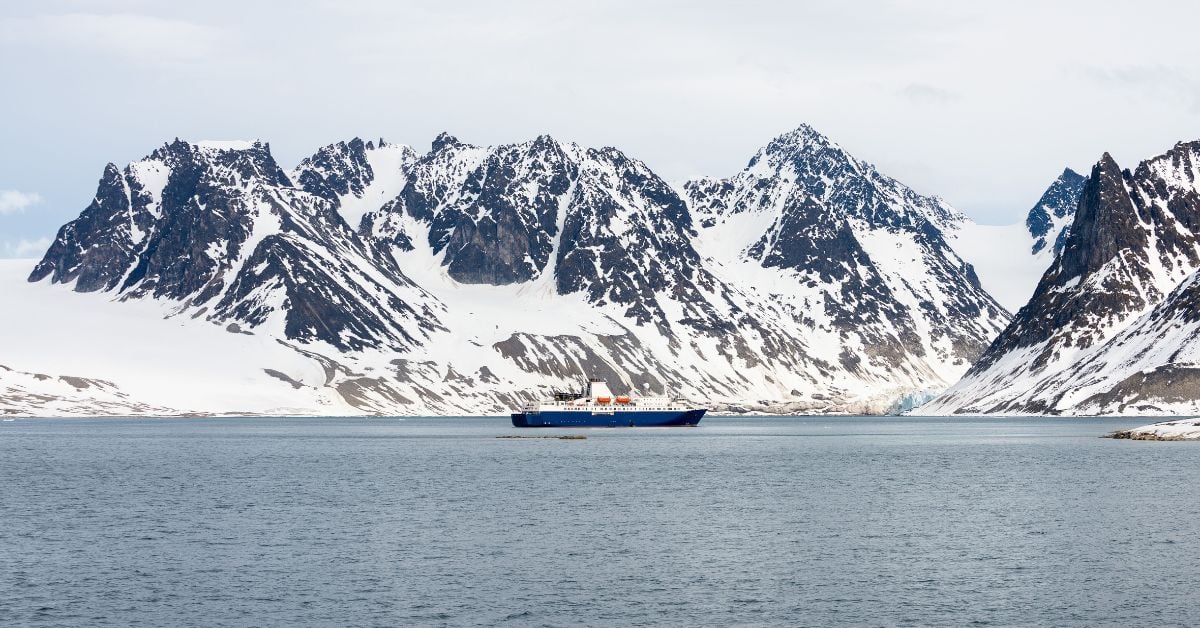
Chinese Research Vessels Operate Near Alaskan Coast, Raising Security Concerns
The presence of Chinese research vessels near the Alaskan coast signals a new layer of complexity in Arctic oversight. The United States views these operations as a potential security concern, and that reaction is measured, not alarmist. For those tracking maritime strategy, this is not abstract posturing; it is a concrete development in a region where access and influence are tightening. We should monitor these transits closely, because in the Arctic, presence itself is a form of leverage.

Tracking Shark Movements Reveals Insights for Marine Sanctuary Protection
Silky sharks favor natural banks in winter and spring, then shift to artificial reefs in summer. Sandbar sharks, by contrast, remain year-round across both habitats, with nearly half detected beyond sanctuary boundaries. These empirical, real-time data reveal that Flower Garden Banks cannot function as an isolated refuge. Protection must account for the integrated ecosystem these sharks actually use. For deeper context on how subsea infrastructure connects marine regions, see our related coverage of *Integrated Subsea Infrastructure Shifts to Enhance Indian Ocean Connectivity*.
Exploring Ocean Depths: India's Waters and the Search for Submarine Trenches
India's ocean floors hold questions we are only beginning to frame. While the Mariana Trench anchors our understanding of deep-sea extremes, the search for comparable trenches in Indian seas remains an open, empirical inquiry. This exploration is not about spectacle; it is about calibrating what we know of underwater topography and its role in climate indicators. For those tracking how such research connects to broader systems, our related piece on Cascadia's subduction zone offers useful tectonic context.

North Pole Reached: Canada's Icebreaker Prepares for 2026 Arctic Mission
The CCGS Louis S. St-Laurent has reached the North Pole, marking a decisive step for Canada's 2026 Arctic mission. This is what calibrated ocean intelligence looks like: measured, deliberate, and essential. As our largest icebreaker pushes into waters that demand respect, we're reminded that sovereignty and science move together. For context on how these polar routes connect to broader maritime security, our coverage of the Puntland Forces' recent tanker interception offers a parallel look at ocean vigilance.