carbon pricing
carbon pricing at World Data Ocean is a file of 3 stories. The newest of them: “Balancing ambition and asset cycles in the path to shipping decarbonization”, “Validated Carbon Capture Offers Significant Emissions Reduction for Shipping.”, and “AI Optimizes Shipping for a Sustainable, Carbon-Constrained Future”. The 2023 IMO Strategy and its 2025 Draft Net-Zero Framework carry more ambition than the shipping industry can currently absorb. Onboard carbon capture is no longer a distant concept. A Global Hub for Ocean Intelligence 4 World Data Ocean is a centralized digital platform where researchers, scientists, and ocean enthusiasts converge to… The list below is every carbon pricing story on World Data Ocean, newest first.

Balancing ambition and asset cycles in the path to shipping decarbonization
The 2023 IMO Strategy and its 2025 Draft Net-Zero Framework carry more ambition than the shipping industry can currently absorb. Vessel asset cycles, fuel technology gaps, and uneven national capacity are not just obstacles, they are structural realities. Our climate-realism framework, applying legal realism and resource dependence theory, suggests that a gradual, technology-neutral route is more sustainable than a one-size-fits-all aggressive pathway. For deeper context, see our related analysis on "Aligning Regional and Global Pathways for Shipping Decarbonization."
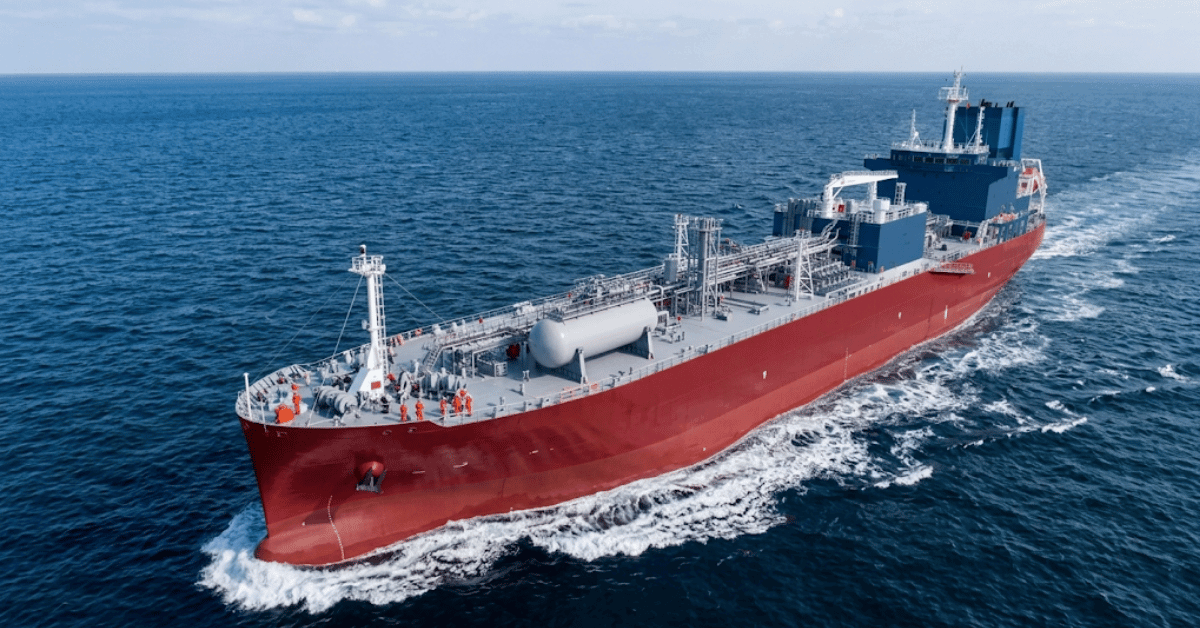
Validated Carbon Capture Offers Significant Emissions Reduction for Shipping.
Onboard carbon capture is no longer a distant concept. Lloyd's Register's latest analysis confirms that validated systems can deliver significant CO₂ emissions reductions for existing ships, offering a practical bridge while alternative fuel supply chains mature. That is a measured, credible step, not a silver bullet. The maritime sector needs every viable tool in the decarbonization toolkit, and this approach lets the current fleet act now.
AI Optimizes Shipping for a Sustainable, Carbon-Constrained Future
The EU ETS is now pricing carbon from liner shipping, and our latest study shows AI can turn that regulatory pressure into measurable emissions cuts. We paired Bayesian Optimization with Mixed-Integer Linear Programming to model a support path that slashes cumulative physical emissions by 28.39% and ETS-covered emissions by 32.94% in an Asia, Europe case, all for a 0.213% resource cost increase. That is efficient, practical decarbonization. For more on port-side innovation, see our coverage of hybrid RTG cranes at Manila South Harbour.