biodiversity loss
World Data Ocean keeps biodiversity loss in one place: 4 stories so far. The section currently leads with “Five mass extinctions recorded in Earth's geological archive”, “Ammonia Fuel's Nitrogen Impact: A New Challenge for Ocean Health”, and “Balancing Tourism and Fisheries: Sustaining Coastal Ecosystems and Livelihoods”. Five mass extinctions are recorded in Earth's geological archive, each a testament to the planet's capacity for profound biological upheaval. Ammonia fuel's reactive nitrogen footprint remains poorly characterized, even as maritime shipping races toward net-zero emissions by 2050. A Global Hub for Ocean Intelligence 4 World Data Ocean is a centralized digital platform where researchers, scientists, and ocean enthusiasts converge to… The list below is every biodiversity loss story on World Data Ocean, newest first.
Five mass extinctions recorded in Earth's geological archive
Five mass extinctions are recorded in Earth's geological archive, each a testament to the planet's capacity for profound biological upheaval. Understanding these ancient events sharpens our focus on the present. Our integrated data ecosystem now measures the pulse of a warming ocean, where seismic records track strengthening waves, a real-time climate indicator. For deeper insight, read "Seismic records measure a strengthening pulse beneath warming oceans." The past warns us; the data empowers us to act.

Ammonia Fuel's Nitrogen Impact: A New Challenge for Ocean Health
Ammonia fuel's reactive nitrogen footprint remains poorly characterized, even as maritime shipping races toward net-zero emissions by 2050. This review makes clear that emissions across the ammonia fuel value chain, from production leaks to combustion byproducts, could alter marine productivity, drive eutrophication, and harm biodiversity, with impacts varying sharply by region. It is a measured, empirical call for integrated lifecycle accounting. For deeper context on operational innovations, see our coverage of the world's first ship-to-ship ammonia bunkering milestone.
Balancing Tourism and Fisheries: Sustaining Coastal Ecosystems and Livelihoods
For decades, the assumption has been that tourism naturally relieves fishing pressure. Our scoping review of 317 articles, narrowed to 124 for deep analysis, reveals a more complex reality. The effect is not predetermined; it hinges on who enters the tourism sector, how livelihoods shift, and whether governance aligns these interests. When tourism drives external demand for high-value seafood, pressure on fisheries can intensify. Conversely, when fishers transition to tourism or conservation areas emerge, pressure can ease.
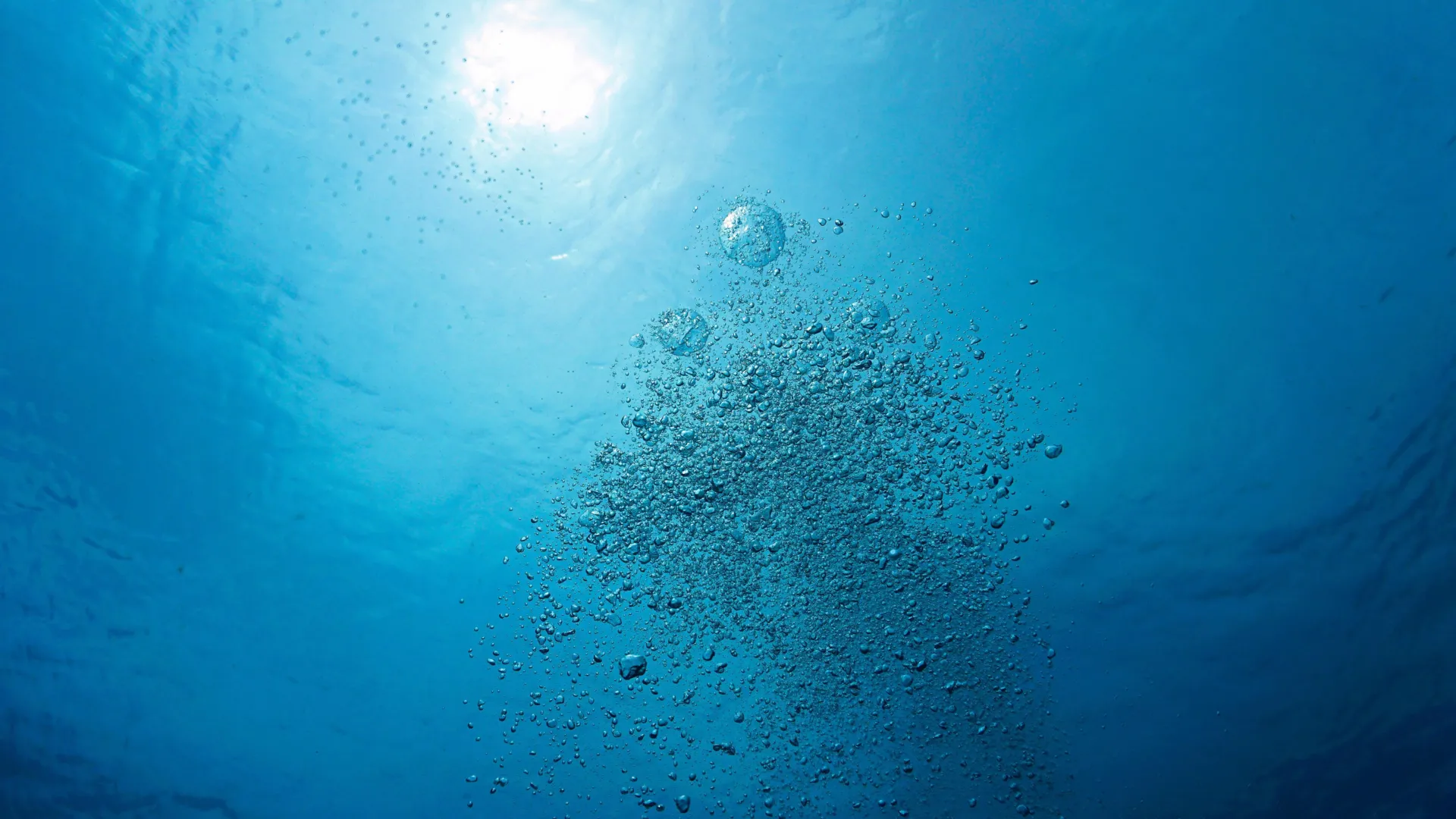
Ocean Deoxygenation Accelerates, Threatening Life and Climate Stability
Oxygen is vanishing from the ocean, and from lakes, rivers, and coastal waters, at a rate that should sharpen our focus. This deoxygenation does not merely stress marine life; it erodes the natural systems that help stabilize Earth's climate. Scientists link this decline directly to warming, pollution, and ocean acidification, making it a compounding planetary threat. We treat this as a measured alarm: the evidence is empirical, and the need for integrated observation has never been clearer.