autonomous shipping
World Data Ocean keeps autonomous shipping in one place: 2 stories so far. The section currently leads with “Dry Dock for 1,210-Foot Carriers Anchors Navy's Largest Pacific Build” and “Optimizing Autonomous Shipping: Data-Driven Navigation for Efficiency and Sustainability”. A single dry dock designed to hold 1,210-foot aircraft carriers anchors the U.S. Autonomous shipping promises safer, cleaner seas, but only if navigation systems stop treating the ocean as an obstacle course. A Global Hub for Ocean Intelligence 4 World Data Ocean is a centralized digital platform where researchers, scientists, and ocean enthusiasts converge to… The list below is every autonomous shipping story on World Data Ocean, newest first.
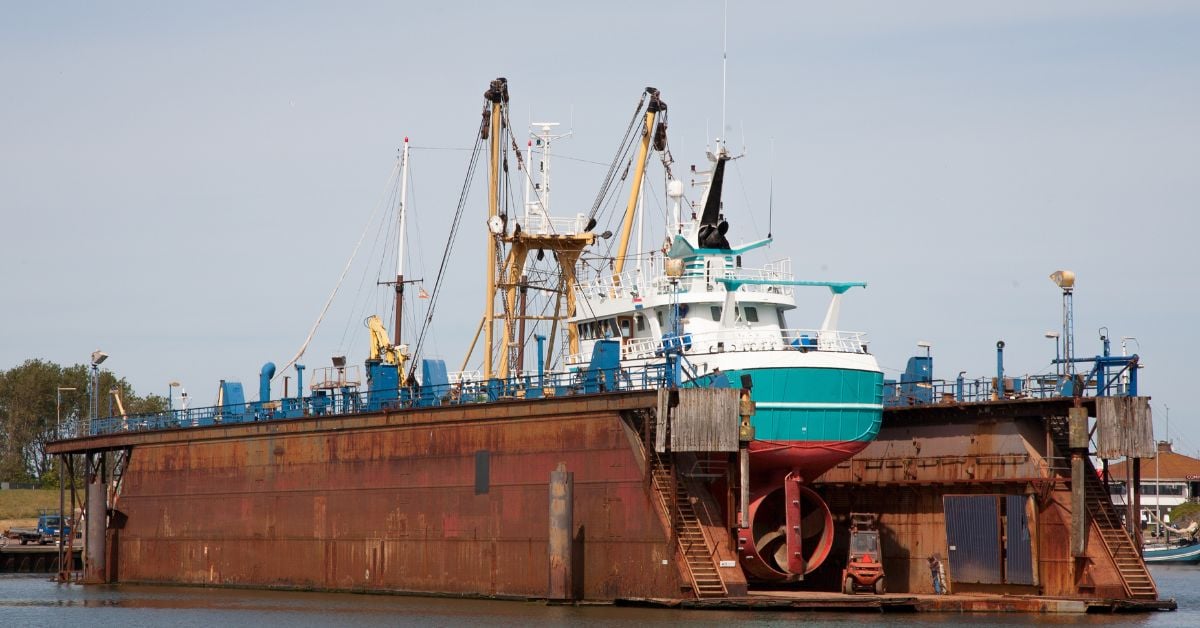
Dry Dock for 1,210-Foot Carriers Anchors Navy's Largest Pacific Build
A single dry dock designed to hold 1,210-foot aircraft carriers anchors the U.S. Navy's largest-ever infrastructure project, cementing its maritime presence in the Pacific Northwest. This is a validated, measurable commitment to long-term naval readiness, not a symbolic gesture. The scale is unprecedented, and the strategic logic is clear. For deeper context on how advanced shipbuilding techniques are reshaping these efforts, see our coverage of digital twins and robotic welding in Hyundai's proposed U.S. naval shipyard.

Optimizing Autonomous Shipping: Data-Driven Navigation for Efficiency and Sustainability
Autonomous shipping promises safer, cleaner seas, but only if navigation systems stop treating the ocean as an obstacle course. Our new Social-Cognitive Navigation Framework (SCNF) tackles this head-on, using historical AIS data and recursive reasoning to cut unnecessary maneuvers while keeping collision rates at zero in trials. It is not just about avoiding the other vessel; it is about reducing disturbance and operational demand. For broader maritime context, our coverage of the Kiwi Frigate's sanctions monitoring shows how data-driven awareness is reshaping naval operations.