atmosphere
atmosphere at World Data Ocean is a file of 8 stories. The newest of them: “Untested AI Hypotheses on Ocean Acidification Demand Peer Review”, “Ancient ocean phosphorus cycles reveal Earth's 2.3-billion-year oxygen secret”, and “Phosphorus Cycles Shaped Earth's Oxygen Swings, Study Finds”. A user-generated hypothesis that ocean acidification cuts sea-to-air methylamine emissions is now live on Forks.world, and it is asking for peer review before any claims are validated. Phosphorus recycling in ancient oceans may have solved a 2.3-billion-year mystery: how Earth kept enough oxygen to support life. A Global Hub for Ocean Intelligence 4 World Data Ocean is a centralized digital platform where researchers, scientists, and ocean enthusiasts converge to… The list below is every atmosphere story on World Data Ocean, newest first.
Untested AI Hypotheses on Ocean Acidification Demand Peer Review
A user-generated hypothesis that ocean acidification cuts sea-to-air methylamine emissions is now live on Forks.world, and it is asking for peer review before any claims are validated. This is precisely the kind of empirical, testable proposition that drives ocean intelligence forward. The link between measurable chemical shifts and atmospheric impact deserves calibrated scrutiny.
Ancient ocean phosphorus cycles reveal Earth's 2.3-billion-year oxygen secret
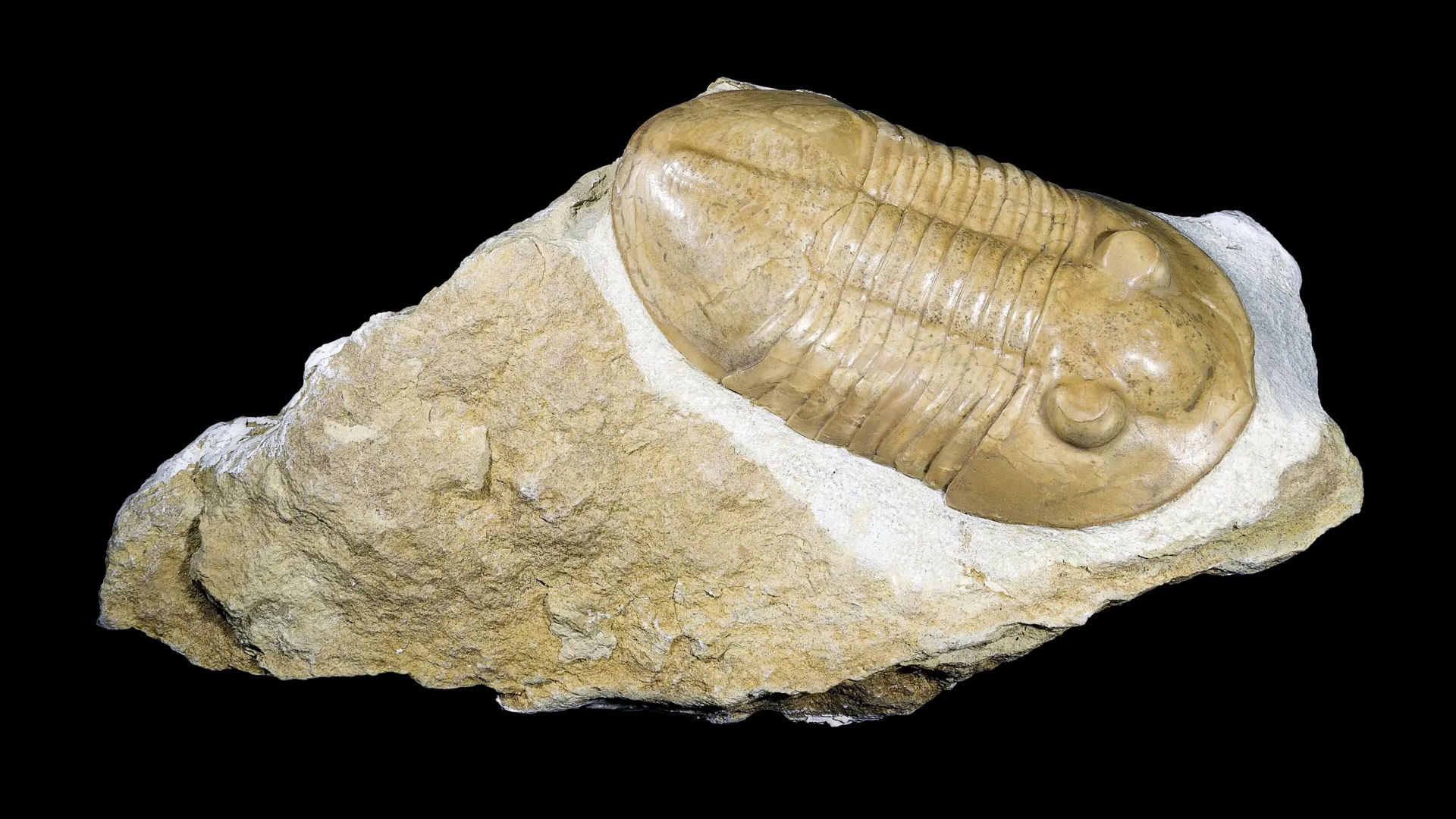
Phosphorus recycling in ancient oceans may have solved a 2.3-billion-year mystery: how Earth kept enough oxygen to support life. New evidence from old rocks reveals a self-sustaining cycle that maintained high oxygen levels through dramatic planetary change. This challenges long-held assumptions about our early atmosphere. It also raises compelling questions about why complex life took so long to emerge. For deeper context, our coverage of "Acidification Alters Phytoplankton Chemistry" explores how ocean chemistry continues shaping life today.
Phosphorus Cycles Shaped Earth's Oxygen Swings, Study Finds
Earth's atmosphere did not become oxygen-rich in a single, clean shift. More than 2 billion years ago, oxygen levels swung repeatedly, and a new study in *Nature Communications* points to phosphorus as a central driver. By studying ancient South African rocks, UC Riverside researchers show how recycled nutrients fueled photosynthetic life, sometimes locking carbon into sediments and leaving oxygen behind. It is a calibrated reminder that planetary transitions are rarely linear.

Yellowstone's Eruption Sequence: Monitoring Volcanic Activity and Potential Impacts
Yellowstone's next super-eruption would not catch us off guard. Weeks of escalating unrest, swarming earthquakes, rapid ground uplift, shifting geyser patterns, and rising gas emissions, would precede any cataclysm. In a worst-case VEI 8 event, ash would blast tens of kilometers skyward, pyroclastic flows would incinerate the landscape, and much of North America's infrastructure could grind to a halt. It is a sobering forecast, but one grounded in measurable, peer-reviewed monitoring.

Ocean Potential Detected on Distant Exoplanet, Data Sparks Debate.
A planet 124 light-years away may hold a global ocean beneath a hydrogen-rich atmosphere, and the data is already sparking debate. Webb has delivered two tentative hints of dimethyl sulfide, a gas tied to marine microbes on Earth, yet independent analyses dispute the find. That tension is the story: not certainty, but calibrated curiosity. We read this as a reminder that ocean intelligence grows through rigorous questioning. For context on how we assess such systems, our World Ocean Assessment coverage offers a grounded counterpoint.
Advancing Earth System Science: A Call for Collaborative Research.
Understanding drives protection, and this call for collaborative research on Earth system science reflects that principle. This persistence, moving from theoretical frameworks to computational models, shows a dedication we share. They've sought dialogue elsewhere with limited success, which is why this invitation matters. For those exploring similar questions, our related article, "Calibrated ocean intelligence, now within reach through integrated data discovery," offers a practical entry point. Earth system science thrives on shared inquiry, not isolated effort. We're glad to see this conversation starting.
Rapid Atmospheric Heating: Asteroid Dust’s Role in Dinosaur Extinction
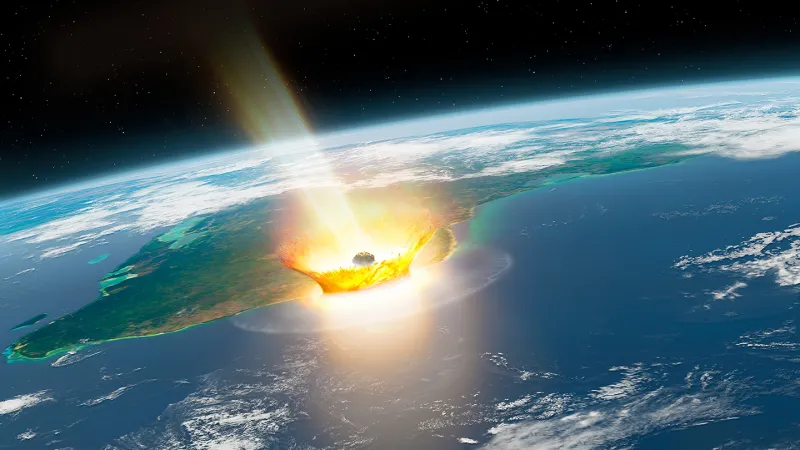
Within minutes of impact, debris began heating Earth's atmosphere, and fine dust trapped that heat. The result was a rapid, lethal spike in global temperatures. This mechanism, not the blast alone, may have killed the dinosaurs quickly. It is a stark reminder that extinction can arrive with terrifying speed. For a broader view of how Earth's systems respond to sudden change, see our coverage of the Cascadia Subduction Zone's fragmented tectonic process.

Helium Atmosphere Hints at Potential for Life on Rocky Exoplanet
A helium atmosphere on a rocky exoplanet is a rare and telling signal. Astronomers detected this tenuous envelope around a world beyond our solar system, and while it is not direct evidence of biology, it sharpens the search for life where it matters most. The finding validates our ability to probe distant atmospheres with increasing precision.