airstrikes
World Data Ocean keeps airstrikes in one place: 5 stories so far. The section currently leads with “19 Indian seafarers evacuated from Yemen after two-week delay”, “Geopolitical Tensions in the Strait of Hormuz Draw Scrutiny on Maritime Sub-Chartering Networks”, and “Regional Conflict Impacts Key Oil Shipping Routes in the Red Sea”. Nineteen Indian seafarers stranded in Yemen's Hodeidah and Sana'a for two weeks have been evacuated and are heading home, the Indian Embassy confirmed. A sub-chartering arrangement is now drawing scrutiny in the Strait of Hormuz after South Korea's shipowners' association confirmed the vessels involved were not owned by Sinokor but leased to an overseas oil company. A Global Hub for Ocean Intelligence 4 World Data Ocean is a centralized digital platform where researchers, scientists, and ocean enthusiasts converge to… The list below is every airstrikes story on World Data Ocean, newest first.

19 Indian seafarers evacuated from Yemen after two-week delay
Nineteen Indian seafarers stranded in Yemen's Hodeidah and Sana'a for two weeks have been evacuated and are heading home, the Indian Embassy confirmed. Delays in such operations underscore the real cost of instability at sea. A validated maritime security landscape demands calibrated protections for seafarers globally, a point reinforced by the IMO Council's recent commitments. For deeper context on these persistent threats, see our related article on validated maritime security risks.
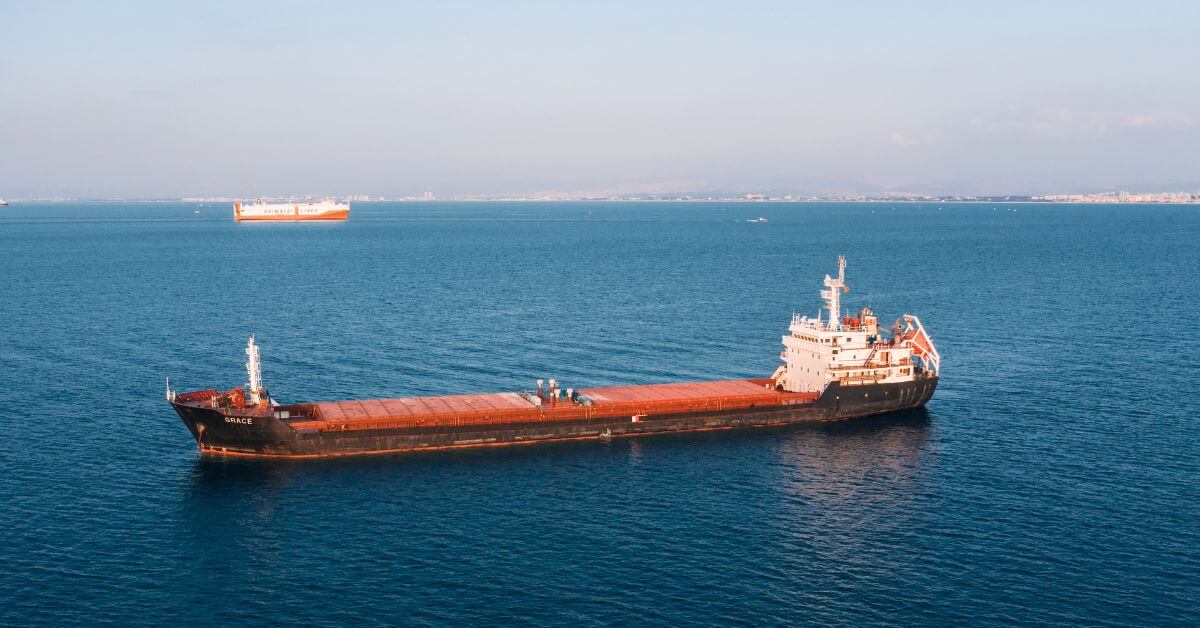
Geopolitical Tensions in the Strait of Hormuz Draw Scrutiny on Maritime Sub-Chartering Networks
A sub-chartering arrangement is now drawing scrutiny in the Strait of Hormuz after South Korea's shipowners' association confirmed the vessels involved were not owned by Sinokor but leased to an overseas oil company. This opacity in maritime networks complicates accountability in one of the world's most strategically vital waterways. Validated tracking data and transparent chartering records are essential for de-escalation. Our coverage of the CENTCOM command's confirmation that 1.5 billion barrels moved through Hormuz underscores the scale of what is at stake.

Regional Conflict Impacts Key Oil Shipping Routes in the Red Sea
The Red Sea's role as a critical artery for global oil movement is under direct threat, with Houthi military spokesperson Yahya Saree confirming strikes in response to Saudi drone incursions into Yemeni airspace. This escalation injects fresh volatility into an already strained shipping corridor. The region's fragility demands calibrated attention, not alarm. For context on how these pressures ripple outward, our piece on Gulf of Oman STS Transfers Max Out Amid Rising Saudi Oil Exports illustrates the strain on adjacent routes.

Red Sea Disruption: Houthis Emulate Iran, Impacting Maritime Trade Routes
The Houthis have declared a maritime blockade on Saudi shipping in the Red Sea, launching missiles and drones at the kingdom. This escalation, mirroring Iranian tactics, directly threatens a critical global artery. We view this not as posturing, but as a calibrated disruption with measurable consequences for energy flows. For deeper context on regional shipping pressures, our coverage of Gulf of Oman STS transfers maxing out offers a pertinent parallel. Understanding these integrated pressures is essential for navigating this volatile corridor.

Escalation in Hormuz: Iran Attacks Tanker Amid U.S. Strikes
The 11th consecutive evening of U.S. strikes against Iran concluded at 8:15 p.m. ET on July 21, as CENTCOM confirmed its ongoing campaign. The escalation in Hormuz now includes a direct tanker attack, sharpening a volatile maritime corridor. This is not abstract geopolitics; it is measured, repeated force meeting retaliation. For context on regional pressure points, our coverage of Gulf of Oman STS transfers maxing out shows how commercial chokepoints strain under such tension.