Six Tankers Carrying Iranian Oil Forced To Turn Back Under U.S. Blockade
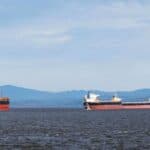


Traffic through the Strait of Hormuz has dropped sharply, with ship-tracking data showing only seven vessels transited the vital waterway in the past 24 hours, compared with the usual 125 to 140 ships a day before the U.S.-Israeli war on Iran began on February 28.
Six tankers carrying Iranian oil were forced back to Iran in recent days under the U.S. blockade, according to ship-tracking data and satellite analysis. The vessels were carrying an estimated 10.5 million barrels of oil.
The Strait of Hormuz, a critical maritime chokepoint that normally handles about 20% of the world’s daily oil and LNG supply, has seen activity remain severely restricted as tensions continue and talks between Tehran and Washington remain stalled nearly two months into the war.
Data from Kpler and SynMax showed that none of the seven vessels crossing the strait in the past day were carrying oil bound for the global market.
The ships included the Iranian-flagged dry bulk vessel Bavand departing an Iranian port, along with other vessels leaving Iraqi ports.
Iran has imposed restrictions on shipping moving through the strait, while the United States announced a blockade on Iran-related shipping on April 13.
U.S. forces have turned back 37 vessels since then, according to military figures released on April 25, though authorities have not provided a full breakdown of ship types or interception points.
Shipbroker Clarksons said in a market note on Monday that vessels continue to face pressure from both sides, with Iran detaining or challenging ships over transit requirements while U.S. forces enforce the blockade.
Despite the restrictions, some tankers have managed to continue their voyages.
TankerTrackers.com data showed two tankers carrying about four million barrels of Iranian oil sailed past the blockade on April 24 and were bound for Asia.
At the same time, four empty Iranian tankers returning from Asia were last tracked off Pakistan’s coast.
Analysts said U.S. forces have reportedly been diverting Iran-linked vessels as far east as the Malacca Strait, raising uncertainty over whether some cargoes will reach buyers or be redirected back to Iran.
The disruption has also left hundreds of ships and an estimated 20,000 seafarers stranded inside the Gulf, adding pressure on crews operating in the region.
Arsenio Dominguez, Secretary-General of the International Maritime Organization, told a committee session Monday that seafarers trapped in the area face growing safety concerns and mounting psychological strain.
He warned prolonged disruption increases the risk of serious maritime accidents, including environmental incidents.
The sharp reduction in tanker traffic has added to concerns across shipping and energy markets over how long the Strait of Hormuz can continue operating under current restrictions.
The waterway remains one of the world’s most important oil transit routes, and sustained disruption could have major consequences for tanker trades, energy flows and global freight markets.
Reference: Reuters
Want to read more?
Check out the full article on the original site