Two Indian LPG Carriers Safely Transit Strait Of Hormuz With Nearly 93,000 Tonnes Of Fuel
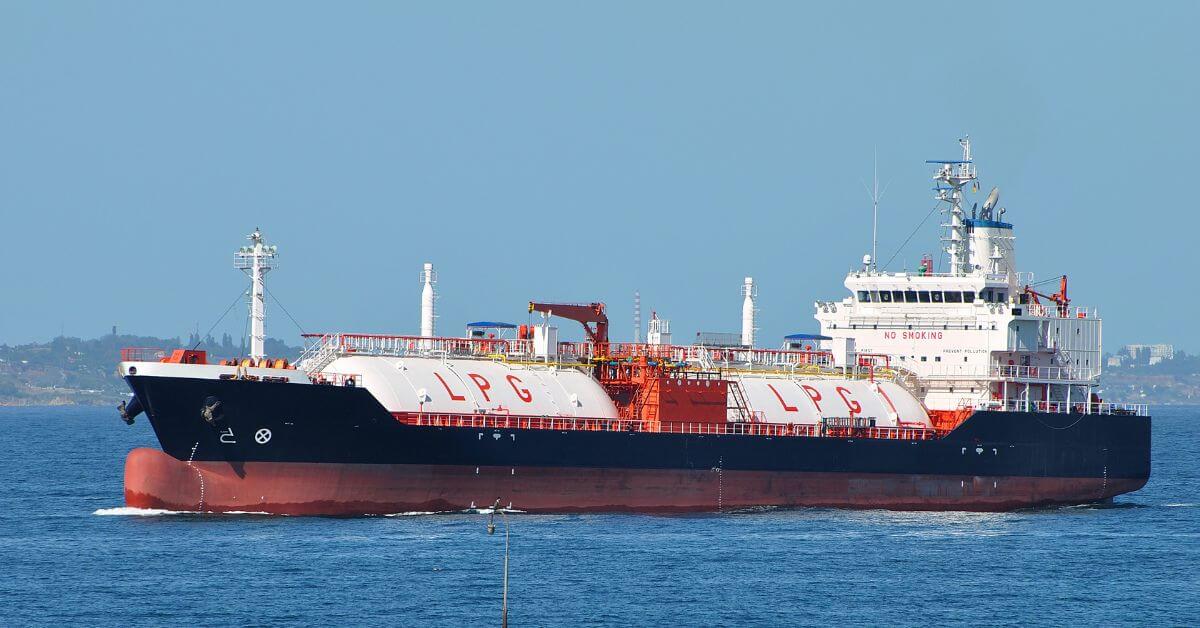
Two Indian-flagged LPG carriers, Jag Vasant and Pine Gas, have crossed the Strait of Hormuz and are on their way to India with nearly 93,000 tonnes of cooking gas.
The ships moved through the strait on Monday and are expected to reach Indian ports between March 26 and March 28.
Most shipping in the region is still disrupted due to ongoing tensions involving Iran, the U.S., and Israel.
Ship-tracking data shows both vessels sailed close to Iran’s coast, passing between Qeshm and Larak islands instead of taking the usual route near Oman. This suggests that ships are being guided or cleared along a specific path.
Some vessels that tried the normal route earlier were attacked, so ships are now staying closer to the Iranian side for safety. Analysts believe Iran is allowing only selected ships to pass after checking their ownership and cargo.
Before crossing, both tankers signaled “India ship and crew” or showed Indian ownership instead of listing a destination. This has become a common step for ships trying to avoid problems while passing through the strait.
The two vessels are carrying about 92,612 tonnes of LPG, which is roughly equal to one day of India’s cooking gas demand.
Earlier this month, two more Indian LPG carriers had made a similar journey and delivered about the same volume. Even with these four ships, the total supply covers only about two to three days of demand in the country.
India depends heavily on imports for energy. Around 60% of its LPG demand comes from imports, and most of it passes through the Strait of Hormuz.
Any disruption in this route quickly affects supply across the country. Because of the current situation, gas supply to industrial and commercial users has already been reduced.
At one point, 28 Indian-flagged vessels were stuck in the region after the conflict began at the end of February. Out of these, 24 were on the west side of the strait and four on the east. In the last few days, some ships have managed to move out.
Earlier, LPG carriers Shivalik and Nanda Devi reached Indian ports safely, while oil tanker Jag Laadki also arrived with crude. Another tanker, Jag Prakash, crossed the strait and is heading toward Africa.
Right now, about 22 Indian vessels are still on the west side of the strait and two on the east, with around 600 seafarers onboard. Eleven sailors have already returned to India. Officials said there are no issues with food or water for the crew, and their safety remains the main focus.
The vessels stuck earlier included LPG carriers, an LNG tanker, crude oil tankers, chemical tankers, container ships, bulk carriers, a dredger, and ships under maintenance.
One empty vessel has since been loaded with LPG, increasing the number of LPG carriers in the region to seven. Once Jag Vasant and Pine Gas complete their journey, the number of vessels on the west side will come down further.
Overall, nearly 500 tanker ships are still waiting inside the Gulf, including crude oil tankers, product tankers, and chemical carriers. Thousands of seafarers remain onboard these vessels.
India has been in talks with Iran to secure safe passage for its ships. Earlier, one tanker was even guided by the Iranian Navy.
Around the same time as this transit, Prime Minister Narendra Modi spoke with Iran’s president and stressed the need to keep shipping routes open. Foreign ministers of both countries were also in contact.
The government has asked ports to give priority to LPG carriers so that cargo can be discharged quickly. Kandla port has already issued instructions based on a directive from the Ministry of Ports, Shipping and Waterways to ensure steady LPG supply to households.
To manage the shortage, India has increased domestic LPG production by about 40%, adding around 18,000 tonnes per day.
Commercial LPG allocation has also been raised to 50% of pre-war levels. Still, experts say this increase may not be sustainable for long as it affects production of other petroleum products.
India is also sourcing LPG from other regions. Ships carrying LPG from the Netherlands, the U.S., and other locations are expected to arrive at ports like Visakhapatnam, Haldia, Ennore, and Mangaluru over the coming days.
Some cargo has already been delivered, including shipments through ship-to-ship transfers and storage caverns.
Even with these efforts, the situation remains tight. India normally needs at least one large LPG carrier carrying about 55,000 tonnes every day. The recent arrivals have helped, but supply is still under pressure.
The Strait of Hormuz remains a key route for global energy trade, handling a large share of oil and gas shipments from the Gulf.
References: Bloomberg, The Hindu
Want to read more?
Check out the full article on the original site