Why some brain cells are particularly vulnerable to multiple sclerosis
Our take
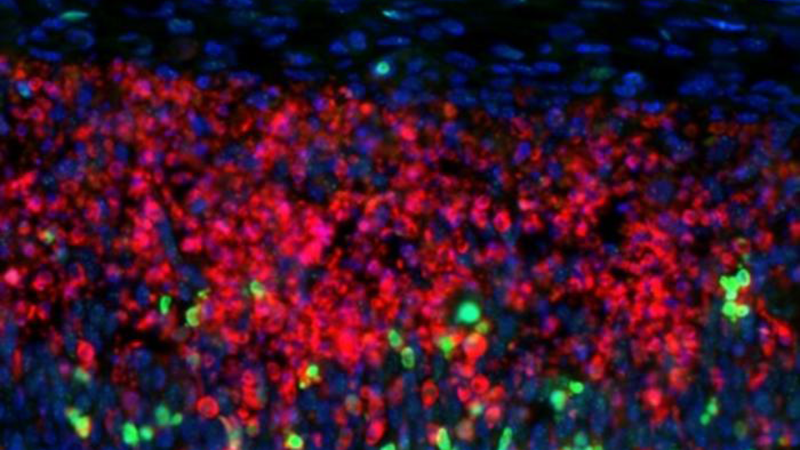
In recent years, the scientific community has made strides in understanding the complex mechanisms behind neurological diseases, with recent research providing a groundbreaking insight into multiple sclerosis (MS). This article delves into why some brain cells are particularly vulnerable to MS, uncovering how DNA damage from inflammation outpaces the cells’ ability to self-repair. Such findings, observed in both human brain cells and mice, not only deepen our understanding of MS but also open doors to new treatment possibilities. The study's discovery is a testament to the relentless pursuit of knowledge in the field of neuroscience, marking a pivotal moment in the quest for effective therapies for MS patients.
The vulnerability of certain brain cells to MS, as revealed by this research, is rooted in a fascinating interplay between inflammation and cellular repair mechanisms. The study highlights how inflammation can cause DNA damage within these cells, a damage that, in some cases, exceeds the cells’ capacity to repair themselves. This imbalance can lead to the degeneration of nerve cells, a hallmark of MS. Such research is crucial as it pinpoints specific areas of concern within the disease, potentially guiding future therapeutic strategies to protect these cells or enhance their repair capabilities. The potential for new MS treatments derived from this research is profound, promising a shift from reactive to proactive approaches in managing the disease's impact on the brain.
The implications of this discovery extend beyond the medical community, resonating with a broader audience keen on understanding the complexities of neurological diseases. It underscores the importance of continued research into the underlying causes of MS, offering hope for a future where the disease's progression can be more effectively controlled or even halted. Moreover, the research exemplifies the global collaborative effort in scientific inquiry, where insights from diverse sources—such as animal models and human studies—converge to advance our knowledge of MS.
This advancement in understanding MS also mirrors the broader narrative of scientific discovery and innovation seen in other cutting-edge research areas. For instance, the innovative approach of using electric vehicles as floating power banks to power electric ferries in Germany, or the cutting-edge technology showcased in the encounter with the Bigfin Squid, all represent significant leaps forward in their respective fields. These examples, like the MS study, illustrate the power of interdisciplinary collaboration and the relentless pursuit of innovative solutions to complex problems.
As we continue to unravel the mysteries of the brain and its diseases, the research on MS vulnerabilities reminds us of the importance of maintaining a focus on both the microscopic and macroscopic scales of inquiry. While the microscopic exploration of cellular mechanisms can lead to groundbreaking treatments, it is the macroscopic perspective that reminds us of our place within the larger ecosystem of scientific discovery. As we look forward, the question remains: How will these insights into MS and other neurological diseases translate into tangible benefits for patients worldwide? The answer lies in the collaborative efforts of scientists, clinicians, and communities committed to advancing our understanding and leveraging this knowledge for the greater good.
Read on the original site
Open the publisher's page for the full experience