U.S. Sends 15‑Point Peace Plan To Iran In Effort To End Ongoing War Affecting Global Shipping
Our take

The administration of Donald Trump has sent a 15-point peace plan to Iran in an effort to end the ongoing war in West Asia, now in its fourth week.
The proposal was reportedly delivered through Pakistan, which has also offered to host talks between Washington and Tehran.
According to reports, Pakistan’s army chief, Field Marshal Asim Munir, is acting as the main intermediary between the US and Iran. He is believed to have close ties with Iran’s Islamic Revolutionary Guards Corps, which allows him to pass messages between the two sides.
The full details of the plan have not been made public, but reports say it is based partly on earlier proposals discussed during nuclear talks.
The 15-point plan reportedly calls for Iran to declare a month-long ceasefire while negotiations take place. It asks Iran to stop uranium enrichment and hand over enriched material.
It also requires dismantling nuclear facilities at Natanz, Isfahan, and Fordow, and giving full access to the International Atomic Energy Agency inspectors.
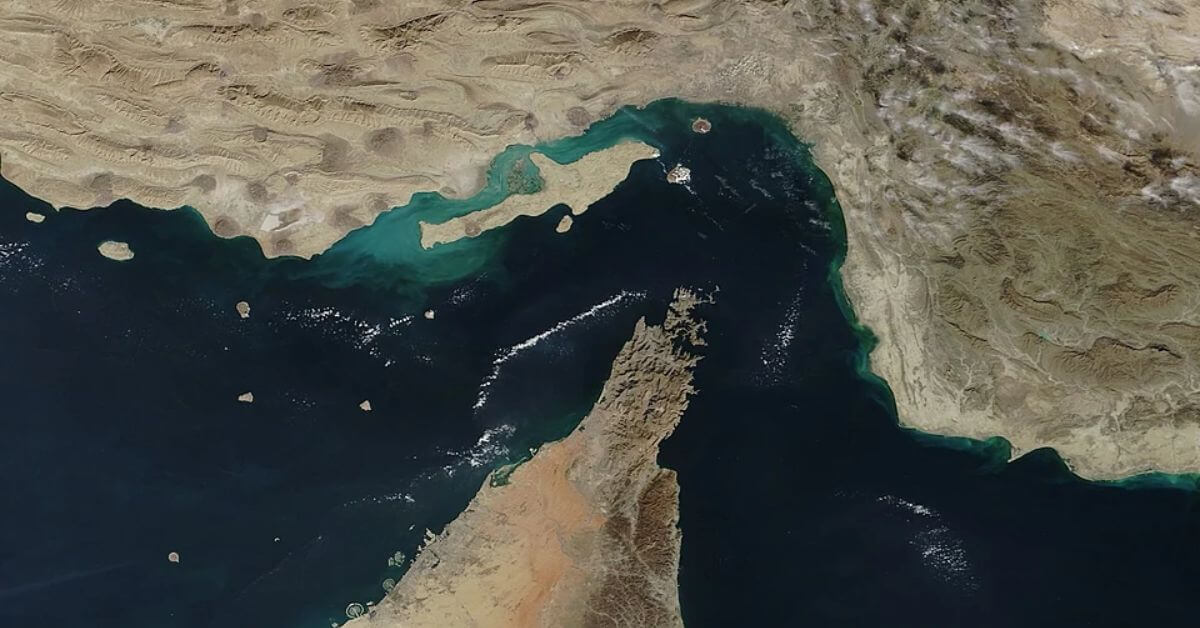
The plan demands that Iran stop funding and supporting regional proxy groups and ensure uninterrupted access to the Strait of Hormuz. There are also suggestions that the US may seek some acknowledgment of Israel’s right to exist.
Per reports, Iran currently holds about 440 kilograms of highly enriched uranium.
Since the war started on February 28, Iran has continued missile and drone attacks, including strikes that injured people in Israel and caused a fire at Kuwait International Airport without casualties.
In return, the US would remove all sanctions on Iran and provide support for developing civilian nuclear energy at Bushehr. The “snapback” mechanism, which allows sanctions to return automatically if Iran does not comply, would be removed.
It is unclear if Iran will accept the plan. A spokesperson for the IRGC’s Khatam al-Anbiya Central Headquarters warned the US not to present developments in the war as a diplomatic success.
Iran has also insisted on its right to enrich uranium for civilian purposes. The killing of Iran’s Supreme Leader Ayatollah Ali Khamenei on February 28 and other officials during US-Israel airstrikes has created uncertainty about who has authority to negotiate. Iran has reportedly said it will review the offer but may not accept certain demands.
Israeli officials were reportedly surprised by the submission of a ceasefire plan. Prime Minister Benjamin Netanyahu has expressed concern that the deal could limit Israel’s ability to strike Iran. He and other officials fear that partial agreements could delay military objectives without resolving key issues.
Read on the original site
Open the publisher's page for the full experience
Related Articles
- Iran Rejects Temporary Ceasefire Proposal With U.S. To Reopen Strait Of HormuzThe proposal was prepared by Pakistan and shared with both Iran and the United States through overnight communication.
- Iran Says It Will Accept Only ‘Fair’ Peace Deal With U.S. As Trump Pauses Naval Mission To Reopen Strait Of HormuzThe mission had aimed to restore commercial shipping traffic after months of disruption caused by the ongoing conflict.
- Pakistan Steps In To Host US-Iran Peace Talks As Strait Of Hormuz Crisis Disrupts Global ShippingPakistan’s Foreign Minister Ishaq Dar said the countries agreed that dialogue and diplomacy are the only ways to stop the conflict.
- 15 U.S Warships Deployed In Middle East As U.S Plans A Naval Blockade Of Iranian Ports After Diplomatic Talks FailThe U.S. has deployed over 15 warships in the Strait of Hormuz to block Iranian ports, after U.S-Iran peace negotiations in Pakistan failed.