This tree is number one for cloud forest mammals going number two
Our take
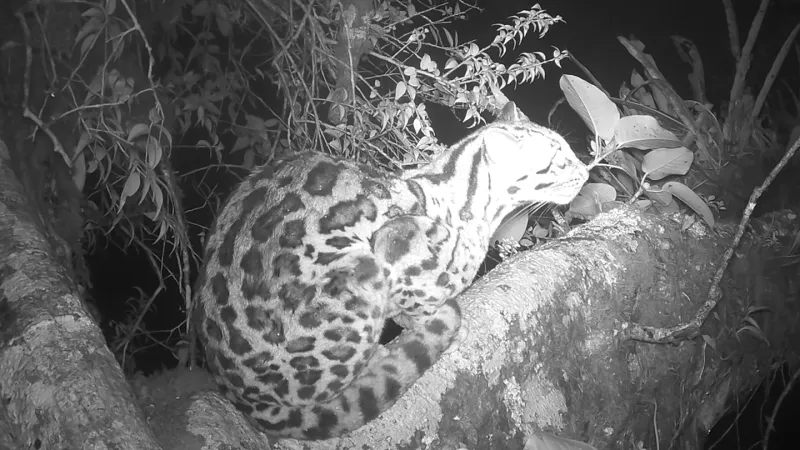
The strangler fig, a remarkable keystone species, plays a vital role in tropical ecosystems by providing essential food and shelter for various mammals. Its unique characteristics not only facilitate the survival of 17 different mammal species but also underscore the intricate interdependencies that exist within these habitats. This relationship mirrors the complex dynamics observed in marine environments, which we explore in our article, Editorial: Marine ecology: functional symbioses in marine holobionts. Understanding such interactions is crucial for fostering a comprehensive approach to conservation.
The significance of the strangler fig extends beyond mere sustenance; it also serves as a critical component in nutrient cycling within the ecosystem. By providing a place for mammals to excrete, the fig contributes to soil health and encourages plant growth, further stabilizing the habitat. This phenomenon is akin to the challenges faced in marine ecosystems, as illustrated by our exploration of species identification in Vertebrae identification? Siesta Key in Florida. Both terrestrial and marine environments rely on the interconnectedness of species to maintain ecological balance, highlighting the importance of understanding these relationships in addressing broader environmental issues.
The role of the strangler fig exemplifies the broader concept of ecosystem services, which are the benefits that nature provides to humanity. These services are often taken for granted, yet they are crucial for our survival and well-being. As climate change accelerates and ecosystems face unprecedented pressures, recognizing the value of keystone species like the strangler fig becomes increasingly important. This awareness can drive conservation efforts and inform policies aimed at protecting biodiversity, especially in regions vulnerable to deforestation and habitat loss.
Moreover, the stranglehold that the strangler fig has on its ecosystem serves as a poignant reminder of the delicate balance that exists within nature. As we advocate for the stewardship of both terrestrial and marine environments, it is essential to embrace a holistic perspective that considers the intricate web of life. The urgency of climate action necessitates a collaborative approach, where scientists, policymakers, and the public work together to preserve these vital ecosystems.
Looking forward, we must ask ourselves: how can we leverage our understanding of keystone species like the strangler fig to foster greater awareness and action in the face of environmental challenges? As we continue to explore the connections between various species and their habitats, we can find pathways to enhance our collective stewardship of the planet. The journey toward a more sustainable future hinges on our ability to recognize and protect the invaluable roles played by all species, in both terrestrial and marine realms.
Read on the original site
Open the publisher's page for the full experience