This kea parrot is the first-known disabled alpha male
Our take
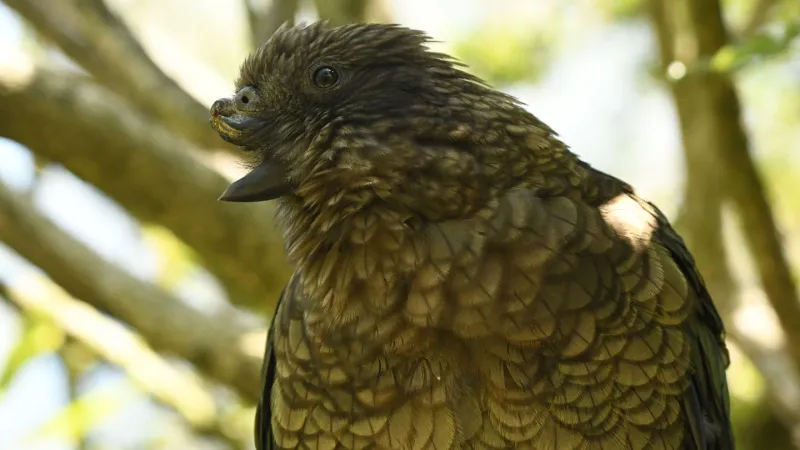
The recent revelation of Bruce, a kea parrot who has adapted to life with half a beak and ascended to the role of alpha male within his flock, offers a compelling case study on resilience and innovation in the animal kingdom. This story not only captivates those interested in avian behavior but also serves as a reminder of the broader themes of adaptation and survival in a changing environment. As we examine Bruce's unique fighting style, we are reminded of the innovative strategies that species have developed in the face of challenges, similar to those discussed in articles about animal adaptation and survival strategies in nature.
Bruce's journey underscores the importance of adaptability, a trait that resonates deeply within the context of our rapidly changing world. In an era marked by climate change and habitat loss, the ability to innovate becomes not just a survival mechanism but a vital component of thriving. Bruce’s strategy of using his environment to his advantage reveals a level of intelligence and creativity that challenges traditional notions of what it means to be an alpha. Rather than relying on physical prowess alone, he has carved out his place through ingenuity and resourcefulness. This notion can be paralleled with human experiences, where adaptability is increasingly crucial in navigating complex social and environmental landscapes.
Moreover, this narrative prompts us to reconsider our perceptions of disability within the natural world. Bruce's condition could have easily relegated him to a position of vulnerability, yet he has transformed it into a unique advantage. This perspective invites a broader dialogue about how we define strength and capability, not only in wildlife but also in human contexts. As we seek to create inclusive environments, the story of Bruce challenges us to look beyond conventional metrics of success and to appreciate the diverse strategies that different beings employ in their quest for survival and dominance. His experience highlights a crucial aspect of biodiversity: the myriad ways in which life can persist, flourish, and even excel despite significant challenges.
As we reflect on Bruce's story and its implications, it becomes essential to consider the lessons it offers for conservation efforts and our broader understanding of ecosystems. The kea parrot, known for its intelligence and playful behavior, exemplifies the intricate balance of nature, where each individual plays a role in the health of the community. As we advocate for policies that protect these ecosystems, Bruce's example can serve as a potent reminder of the resilience that exists within nature. The interconnectedness of all species, and the adaptive strategies they employ, underscores the necessity of fostering environments that allow for such adaptability to thrive.
Looking ahead, Bruce's narrative raises important questions about the future of wildlife in an era of environmental uncertainty. What other untold stories of adaptation lie hidden within the natural world, waiting to be uncovered? As we continue to study and learn from these remarkable examples, we must remain vigilant in our commitment to safeguarding habitats and promoting biodiversity. The story of Bruce not only inspires awe but also beckons us to engage with the pressing issues of conservation and the critical role that each species plays in our shared ecosystem. In doing so, we not only honor the resilience of creatures like Bruce but also reinforce our own responsibility to protect the intricate web of life that sustains us all.
Read on the original site
Open the publisher's page for the full experience