This dangerous pregnancy complication is common. A new treatment might help
Our take
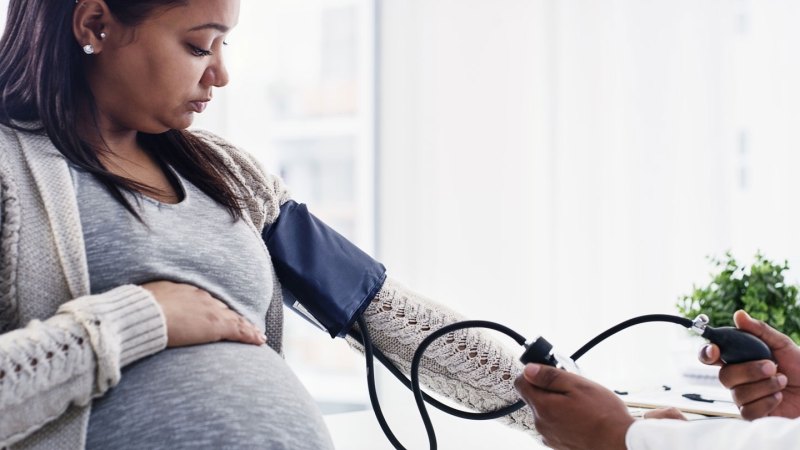
The recent discussion surrounding the prevalence and treatment of preeclampsia highlights a significant health challenge that affects 3 to 8 percent of pregnancies. The complexity and potential severity of this condition underscore the need for innovative solutions, such as the promising results from a recent trial involving a blood filter that helps lower blood pressure and prolong some pregnancies. As we navigate the intersection of maternal health and technological advancement, it is essential to recognize how breakthroughs like these can transform outcomes for both mothers and their babies. This aligns with ongoing efforts in various fields of public health, as evidenced by articles like A low-cost rotavirus test could save childrens’ lives in Nigeria and Hantavirus questions grow in the wake of a cruise ship outbreak, which also illustrate the critical importance of research in addressing urgent health issues.
Preeclampsia presents a unique set of challenges not only due to its unpredictability but also because of its potential consequences, including preterm birth and maternal morbidity. The recent trial that demonstrated the effectiveness of a blood filter to manage blood pressure offers a glimmer of hope for expectant mothers facing this condition. By lowering the risk of complications, such treatments could lead to healthier pregnancies and better long-term health outcomes for both mothers and infants. This trial emphasizes the importance of continued research and collaboration within the medical community to develop and validate new treatment protocols that can be integrated into routine prenatal care.
Moreover, the implications of these findings extend beyond individual health outcomes. Addressing preeclampsia effectively can have broader societal benefits, including reduced healthcare costs associated with complications arising from untreated or poorly managed cases. As we reflect on the societal impact of maternal health, it is crucial to consider how advancements in treatment can lead to healthier populations and, consequently, stronger communities. This perspective is echoed in the ongoing discourse surrounding other pressing health issues, such as the investigations into the hantavirus outbreak at sea outlined in What to know about a rare hantavirus outbreak at sea.
The urgency of addressing preeclampsia and similar health challenges calls for a concerted effort among researchers, healthcare providers, and policymakers. The intersection of innovative treatment options and widespread access to maternal healthcare is critical to improving outcomes. As we continue to monitor the success of the blood filter and other emerging therapies, we must also advocate for policies that prioritize maternal health and support ongoing research funding.
Looking ahead, one question remains: How can we ensure that advancements in treatment, like those seen in the recent preeclampsia trial, reach all expectant mothers, particularly in underserved communities? As we work toward this goal, the commitment to scientific inquiry and collaborative efforts will be paramount in shaping a healthier future for mothers and their children.
Read on the original site
Open the publisher's page for the full experience