The earliest evidence of the first stars may lie in a distant gas clump
Our take
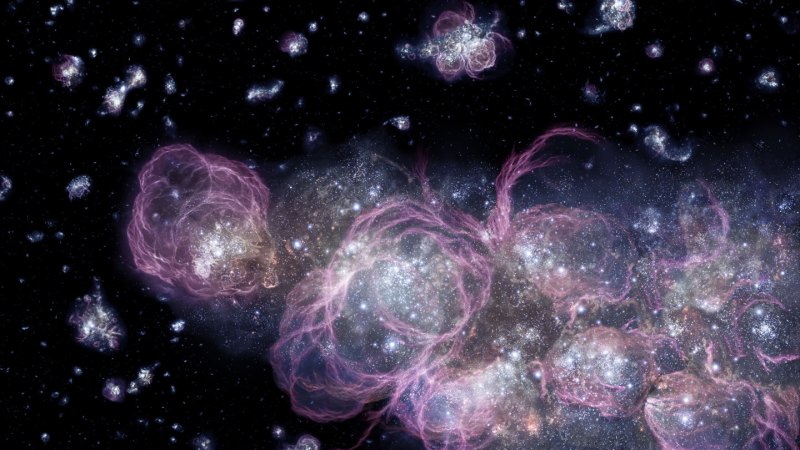
The recent findings from the James Webb Space Telescope, which suggest that a distant gas clump may house primordial stars, mark a significant milestone in our understanding of the universe's evolution shortly after the Big Bang. The data indicate that this pristine gas, irradiated by energetic light just 450 million years post-Big Bang, provides critical insights into the formation of the first stars. Such discoveries not only deepen our comprehension of cosmic history but also echo the importance of strategic investment in scientific exploration and innovation, much like the discussions presented in World Economic Forum: Here's why we need Strategic investment in the Ocean economy.
Understanding the origins of the universe is intricately connected to our quest for knowledge about our planet. The ocean, in its vastness, holds a repository of historical climate data, allowing us to observe the changes our planet has undergone over millennia. As we delve into the depths of the ocean, we uncover vital information about our changing climate, which is paralleled by the revelations from the cosmos. For instance, the piece titled Beneath the waves, the ocean holds a hidden record of our planet’s changing climate. Most of the Earth's excess heat is ... highlights how the ocean serves as a critical indicator of climate health, much like the light from distant stars serves as a beacon of the universe’s infancy.
The significance of the James Webb data extends beyond astronomical curiosity; it invites us to consider the interconnectedness of all scientific disciplines. The study of primordial stars may illuminate aspects of cosmic evolution that parallel processes occurring within our own planet's ecosystems—like those observed in marine species, as discussed in the article Genomic insights into population structure and somatic condition in the European sardine. The decline in sardine populations due to changing environmental conditions serves as a reminder that the health of our oceans is linked to broader planetary health, just as the stars we observe can inform us about the genesis of matter and energy that ultimately supports life on Earth.
As we explore the mysteries of the universe, we must remember the urgency of applying scientific findings to address immediate challenges on our planet. The exploration of space and the study of our oceans are not separate endeavors; they are intertwined quests for understanding the fundamental truths of existence. The discoveries from the James Webb Telescope should inspire a renewed commitment to ocean stewardship and climate action, as we recognize that our responsibility extends beyond our atmosphere to the vast blue depths of our oceans.
Looking ahead, one must ponder how the insights gained from these cosmic investigations will influence our approach to Earth’s challenges. As we continue to uncover the secrets of the universe, how will this knowledge shape our strategies for sustainable development and climate resilience? The interplay between cosmic phenomena and terrestrial stewardship will be a critical narrative to watch as we move forward, underscoring the importance of collaboration and innovation in safeguarding our planet and beyond.
Read on the original site
Open the publisher's page for the full experience