The crust under Africa is thinning in a way that hasn’t been seen before
Our take
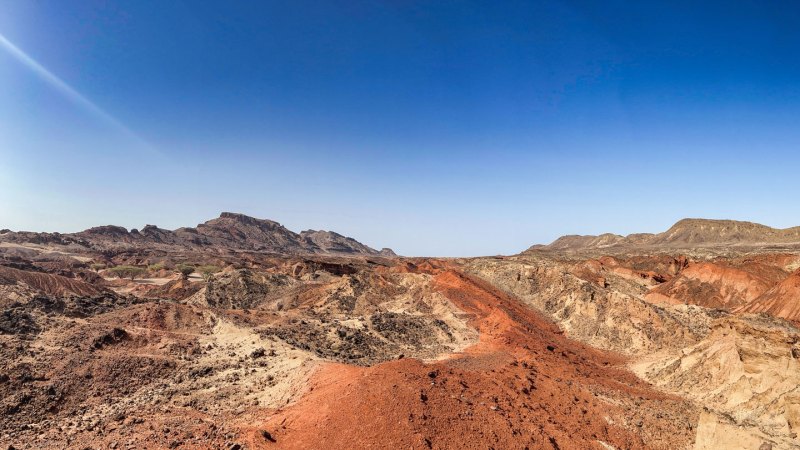
The recent study revealing that the crust under Africa is thinning in unprecedented ways highlights a significant geological phenomenon occurring within the Turkana Rift Zone. This region, known for its rich deposits of hominin fossils, is currently undergoing a transformative process termed "necking," which is a crucial precursor to continental breakup. Understanding these geological changes is essential not merely for the scientific community but for everyone who is invested in the future of our planet. The implications of these findings extend beyond the realm of geology; they touch on climate science and our understanding of Earth's evolutionary history. For further context on how geological processes influence life on Earth, consider exploring our pieces on how life may have begun, as discussed in Scientists just found a chilling way life may have begun, or the broader implications of environmental changes in our world.
The Turkana Rift Zone offers a unique window into the dynamic processes shaping our planet. As the crust thins, the area may eventually lead to the formation of new tectonic boundaries, which could significantly alter the landscape and ecosystems. This transformation is not just a geological curiosity; it serves as a reminder of Earth's ever-evolving nature. The thinning crust could have significant consequences for the surrounding environment and communities, potentially leading to increased volcanic activity and changes in local climate patterns. It is crucial for researchers and policymakers to monitor these developments closely, as they could signal shifts that impact both human and wildlife populations.
Moreover, the study of the Turkana Rift Zone aligns with ongoing discussions about the interconnectedness of geological and climatic systems. Just as the crust is undergoing profound changes, so too is the climate, as evidenced by the challenges posed by climate change and its cascading effects on global ecosystems. In this context, understanding the geological processes at play is vital for developing effective strategies for climate adaptation and mitigation. This is particularly relevant as we consider the implications of geological events on public health and safety, as highlighted by recent reports such as Three Die On Cruise Ship After Suspected Hantavirus Outbreak, WHO Investigates Cases. Such occurrences serve as a stark reminder that human health is intricately linked to environmental changes.
Ultimately, the thinning crust beneath Africa is not merely a geological concern; it is a clarion call for increased scientific inquiry and public awareness. As we strive to comprehend the complexities of our planet, we must recognize the importance of fostering a collaborative approach to research and education. The Turkana Rift Zone exemplifies a living laboratory where past, present, and future intersect, providing invaluable insights into Earth's processes and their implications for humanity. As we look ahead, one must ponder how these geological changes will shape our world and what measures we must adopt to prepare for the challenges that lie ahead. What will be the next chapter in the story of our planet's evolution, and how will we respond?
Read on the original site
Open the publisher's page for the full experience