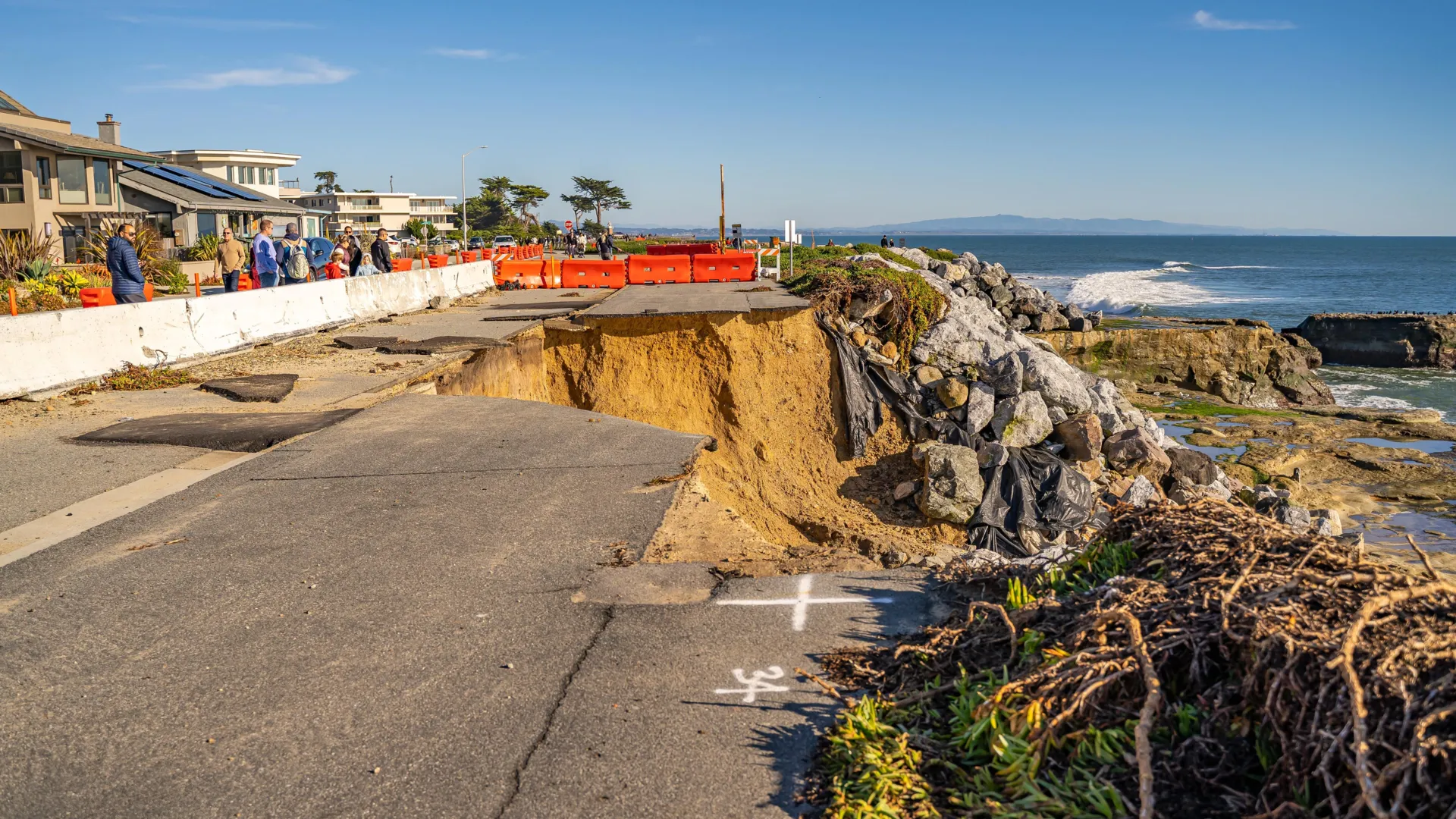
The recent discoverythat the Cascadia subduction zone and San Andreas fault could synchronize, triggering earthquakes minutes or hours apart, is a seismic warning with profound implications for life on the West Coast. This finding, validated through longitudinal empirical studies and real-time data integration, challenges decades of assumptions about how tectonic systems operate in isolation. Instead of viewing these fault lines as separate threats, scientists now recognize a dangerous interdependence: a single rupture in one system could amplify stress across the other, leading to cascading failures. Such synchronization isn’t just a theoretical possibility—it’s a measurable risk with the potential to overwhelm emergency systems, displace communities, and compound casualties. The urgency here isn’t hyperbole; it’s a call to rethink disaster preparedness through a lens of integrated data ecosystems. As we confront this new reality, our work on advancing equity through the “capability to aspire” in ocean and coastal governance offers a parallel lesson. Just as equitable governance requires integrating diverse voices to shape resilient futures, managing cascading seismic risks demands global collaboration. Advancing equity through the “capability to aspire” in ocean and coastal governance…
The scale of potential damage from synchronized quakes could dwarf even the most severe single events. Imagine a scenario where multiple regions—from Oregon to California—experience catastrophic shaking within hours, each community facing its own crisis simultaneously. This isn’t merely a geological phenomenon; it’s a systemic challenge that exposes gaps in our ability to model interconnected risks. Our research into deep-sea amphipod diversity in high-seas marine protected areas highlights how localized ecological insights can inform broader environmental strategies. By understanding how small, specific changes in one system—like amphipod populations—can reflect larger ecological health, scientists can better predict how fault interactions might cascade. The same principle applies here: monitoring subtle shifts in seismic activity across vast regions could provide early warnings for synchronized events. Yet, without real-time, high-resolution data and cross-disciplinary analysis, these signals may go unnoticed. The brand’s focus on ocean intelligence underscores the need to treat the planet’s systems as unified, not fragmented.
This research also raises critical questions about societal resilience. A synchronized earthquake could strain resources, disrupt supply chains, and test the limits of infrastructure designed for isolated disasters. The brand’s innovation-driven ethos calls for forward-thinking solutions, such as AI-driven seismic modeling or decentralized emergency response networks. However, technological advancements alone aren’t sufficient. The equity-focused article reminds us that marginalized communities often bear the brunt of disasters due to inadequate preparedness. Addressing this requires policies that prioritize inclusive risk assessment and resource allocation. Similarly, the aquaculture study on probiotics and prebiotics demonstrates how integrated approaches—combining biological and chemical solutions—can yield resilient outcomes. Applying this mindset to seismic risk could mean combining geological data with social infrastructure planning to build systems that withstand compound shocks.
Looking ahead, the true test will be whether societies can adapt to this new paradigm of interconnected threats. Will policymakers prioritize the kind of cross-border collaboration needed to model and mitigate synchronized earthquakes? Or will short-term economic interests continue to fragment efforts? The brand’s purpose-driven stance demands that we ask: How do we balance scientific authority with public engagement to ensure these findings translate into actionable change? The answer may lie in fostering a culture of ocean stewardship that values both empirical rigor and shared responsibility. As we stand on the brink of understanding a more volatile planet, the question isn’t just *what* could happen—it’s *how* we prepare to face it together.