Talking dogs and chatty cats could one day ‘speak’ in our language
Our take
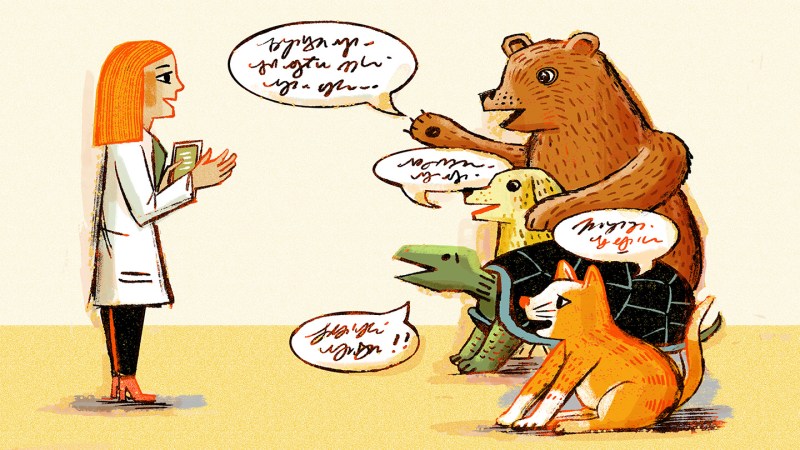
The recent exploration into the possibility of animal translators—devices or technologies that could decode the sounds of dogs, cats, and other animals into human language—opens a fascinating frontier in our understanding of interspecies communication. As researchers dive deeper into the intricacies of animal vocalizations, this endeavor mirrors other scientific breakthroughs, such as the insights gleaned from studying the complex communications of sperm whales, which have prompted discussions about their potential intelligence rivaling our own. Such advancements underscore not only the technological innovations at play but also the profound implications for our relationship with the animal kingdom.
The premise of an animal translator rests on the growing body of research dedicated to understanding animal sounds and the meanings behind them. As we explore the nuances of communication in species from singing mice, which use unique throat sacs to create melodious sounds, to the sophisticated vocalizations of cetaceans, we are reminded that the boundaries of language and communication are far more fluid than previously thought. This emerging field of study not only enriches our scientific knowledge but also challenges us to reconsider how we perceive and interact with the world around us.
The potential to translate animal sounds into human language holds significant implications for our responsibilities as stewards of the environment. By gaining insights into the needs, emotions, and behaviors of animals, we can foster a deeper understanding of their welfare and the ecosystems they inhabit. This aligns with the urgent need for ocean stewardship, as highlighted in many of our discussions about climate indicators and the health of marine environments. As we develop tools for translation, we may also enhance our ability to advocate for conservation efforts, ensuring that both human and animal voices are heard in the ongoing dialogue about ecological preservation.
However, as we venture into this uncharted territory, we must remain cautious about the ethical implications of such technology. The romantic notion of “talking” to our pets should not overshadow the complexities of animal behavior and the potential for misinterpretation. While innovations can lead to greater empathy and understanding, they also come with the responsibility of ensuring that we respect the autonomy and natural behaviors of animals. As seen in our examination of how animal communication can reflect emotional states and social structures, we must be careful not to project human emotions onto these interactions, which could lead to misguided interpretations of their needs and experiences.
Looking ahead, the development of animal translators poses intriguing questions about the future of human-animal relationships. Will we see a shift in how we perceive our pets and wildlife as we better understand their “languages”? What new responsibilities will arise from our ability to communicate with them more effectively? As we stand on the brink of this potential breakthrough, it is essential to approach it with a mindset that balances scientific curiosity with ethical considerations. The dialogue surrounding animal communication invites us to reflect on our role as caretakers of the planet and the beings with whom we share it. As research evolves, we must remain vigilant in fostering a world where the voices of all creatures are acknowledged and respected.
Read on the original site
Open the publisher's page for the full experience