Summit living isn’t a problem for this tiny mouse
Our take
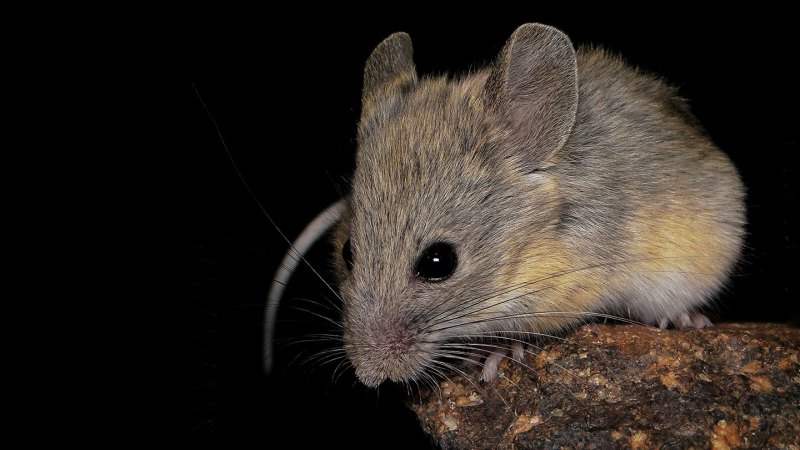
The remarkable adaptation of Andean leaf-eared mice to high-altitude environments, as detailed in recent findings, underscores a fundamental principle of evolutionary biology: life finds a way. The observed increase in heat production and enhanced oxygen uptake represent a sophisticated physiological response to the challenges of thin air and cold temperatures. These mechanisms, seemingly simple in their description, highlight the intricate interplay between genetics, physiology, and environment, a theme consistently explored within our community. It’s fascinating to consider this alongside observations of other marine life adapting to extreme conditions; for instance, the recent discussion regarding potential parasitic worms found in tuna gut content Philippines, tuna gut content, where subtle internal adaptations might be crucial for survival. Similarly, the power and efficiency of orca hunting strategies, as recently captured in Resurrection Bay, Alaska [Orcas hunting humpback whales in Resurrection Bay, AK [oc]](/post/orcas-hunting-humpback-whales-in-resurrection-bay-ak-oc-cmqzj8n2y00y73amx8b5nauuz), demonstrate impressive physiological capabilities finely tuned to their ecological niche.
The Andean leaf-eared mouse provides a compelling microcosm of the broader adaptive challenges faced by species across diverse ecosystems. High-altitude environments, characterized by lower oxygen partial pressures and reduced temperatures, present significant hurdles to metabolic function and thermoregulation. The mouse's response, involving both increased metabolic rate to generate heat and enhanced oxygen absorption, represents a finely calibrated solution. This research reinforces the importance of longitudinal studies and empirical data collection in understanding the nuances of adaptation. The integrated data ecosystem we strive to build at World Data Ocean is essential for tracking these subtle shifts over time, allowing us to validate hypotheses and refine our models of ecological resilience. It’s particularly relevant considering the increasing pressures imposed by climate change, which are rapidly altering environmental conditions and accelerating the need for species to adapt or face extinction. The challenge lies not just in identifying these adaptations, but also in understanding the underlying genetic and physiological mechanisms driving them—a task requiring calibrated sensor technology and rigorous peer-reviewed analysis.
Beyond the immediate implications for understanding mammalian physiology, this research speaks to the broader field of astrobiology. The ability of life to thrive in extreme environments, whether on Earth or potentially on other planets, is a central question driving scientific exploration. Analogies between high-altitude adaptations and the conditions on Mars, for example, can inform the search for biosignatures and guide the design of future missions. Furthermore, the study of adaptive mechanisms in organisms like the Andean leaf-eared mouse can offer insights into potential therapeutic interventions for human health challenges related to hypoxia or cold stress. The need for clear, measurable data to support these connections is paramount, emphasizing the value of an integrated approach combining field observations, laboratory experiments, and computational modeling. Even seemingly unrelated observations, such as the ongoing efforts to identify marine life in the Aegean Sea What is this animal? Nudibranch, Sea bunny or a flat worm? I took this photo in the Aegean Sea, highlight the interconnectedness of life and the potential for unexpected discoveries.
Ultimately, the story of the Andean leaf-eared mouse is a testament to the power of natural selection and the resilience of life. It underscores the urgency of continued scientific investigation and the importance of global collaboration in understanding the complexities of our planet's ecosystems. As climate change continues to reshape habitats worldwide, gaining a deeper understanding of these adaptive processes will be critical for predicting future biodiversity patterns and developing effective conservation strategies. A crucial question moving forward is how quickly these adaptations can evolve in response to rapidly changing environmental conditions, and whether existing genetic diversity is sufficient to ensure long-term survival. The real-time data streams we are developing will be invaluable in addressing this pressing issue and guiding informed decision-making for ocean and terrestrial stewardship alike.
Read on the original site
Open the publisher's page for the full experience