Suicide deaths in U.S. teens and young adults fell after 988 launch
Our take
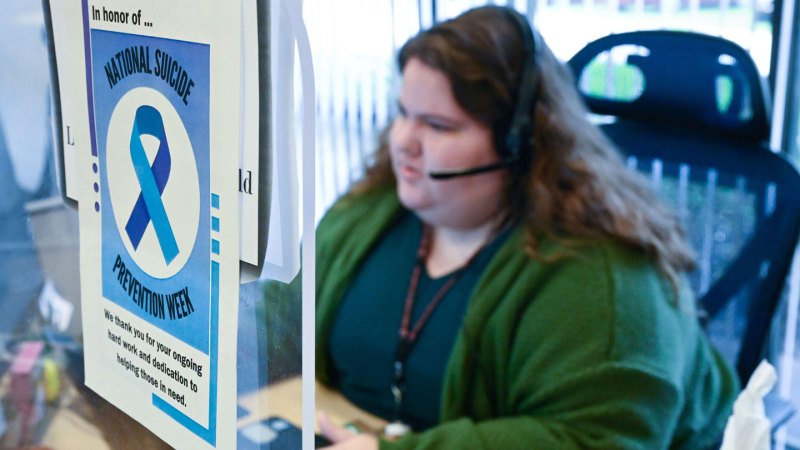
The recent study highlighting the impact of the 988 Lifeline on reducing suicide mortality among U.S. teens and young adults serves as a crucial reminder of the importance of accessible mental health resources. Suicide has tragically emerged as one of the leading causes of death in this demographic, underscoring an urgent public health crisis. The findings indicate a positive correlation between the launch of the 988 Lifeline and a significant decrease in suicide rates, suggesting that timely and easily accessible support can make a tangible difference in saving lives. This is particularly relevant in the context of ongoing discussions about mental health challenges faced by not only young people but also vulnerable populations such as seafarers, who often experience heightened anxiety and depression due to their unique circumstances, as illustrated in our article, Seafarers Stuck In Hormuz Suffer From Anxiety & Depression, Mental Health Issues On The Rise.
The implications of the study extend beyond statistics; they reflect a broader societal shift towards recognizing and addressing mental health issues with the seriousness they deserve. The 988 Lifeline, modeled after successful crisis hotlines, offers a lifeline for those in distress, providing immediate support from trained counselors. This initiative aligns with the growing body of evidence that emphasizes the necessity of early intervention and the destigmatization of mental health conversations. The urgency of such measures is further highlighted by other health crises, such as the Hantavirus questions grow in the wake of a cruise ship outbreak, which remind us of the interconnectedness of public health and mental well-being.
This study’s findings are particularly significant in light of the alarming trends that have emerged in recent years, where mental health issues have been exacerbated by factors such as the COVID-19 pandemic, social isolation, and economic uncertainty. For teenagers and young adults, these pressures can lead to feelings of hopelessness and despair, making accessible mental health resources all the more critical. The correlation between the launch of 988 and a decline in suicide rates should inspire policymakers and communities to invest further resources into similar support systems, ensuring that help is not just available but also widely known and utilized.
As we reflect on the importance of this recent study, it raises a pivotal question for the future: How can we continue to build on the success of the 988 Lifeline and other mental health initiatives to create a more robust support network for all individuals in crisis? As we strive to foster a culture that prioritizes mental well-being, we must remain vigilant in our efforts to destigmatize mental health struggles and ensure that effective support systems are readily available and accessible to those in need. The ongoing dialogue surrounding mental health is essential for promoting a society where individuals feel empowered to seek help without fear of judgment.
In conclusion, the positive impact of the 988 Lifeline is a testament to the power of accessible mental health resources. As we continue to address the ongoing challenges of suicide among young people, let us remain committed to fostering collaboration across sectors to promote mental health awareness and support. The progress made thus far is encouraging, but it is essential that we maintain momentum and vigilance in our efforts to protect the well-being of our youth and all vulnerable populations.
Read on the original site
Open the publisher's page for the full experience