Sugar may have been a key ingredient in human evolution
Our take
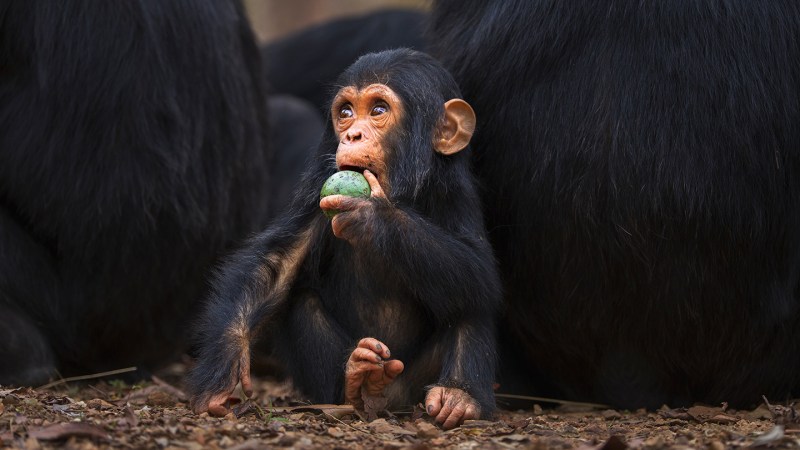
## Our Take: The Sweet Roots of Human Cognition
The recent study suggesting a link between sugar consumption and the evolution of larger primate and early human brains presents a fascinating, albeit complex, piece of the puzzle surrounding our species’ ascent. While the idea of a “sweet tooth” influencing evolutionary pathways might seem initially simplistic, the underlying science is compelling. The researchers posit that the readily available energy provided by fructose and glucose, abundant in fruits and honey, allowed for the metabolic support necessary for the energetically demanding process of brain development. This isn’t to say sugar *caused* brain growth – evolution is rarely that linear – but rather that it provided a crucial advantage, allowing for the maintenance and expansion of cognitive functions in a way that might have otherwise been unsustainable. It's a compelling argument that builds upon existing research demonstrating the correlation between diet and brain size across various species. For those interested in deeper dives into the science of nutrition and its impact on human development, we recommend exploring The Role of Nutrition in Brain Development and Diet and the Evolution of the Human Brain. The implications extend beyond simply explaining a biological quirk; it prompts us to reconsider the selective pressures that shaped our ancestors’ behavior, particularly their foraging strategies and social structures.
The significance of this research lies in its contribution to our understanding of the interplay between environmental factors, dietary choices, and cognitive evolution. For millennia, humans have been drawn to sweet foods, and this study provides a potentially robust explanation for that inherent preference, grounding it in deep evolutionary history. It’s important to note that the context matters considerably. Early humans weren't consuming processed sugars loaded with empty calories, but rather naturally occurring sugars from fruits and honey, alongside a diet rich in fiber and nutrients. This distinction is crucial when considering the implications for modern health and the often-demonized role of sugar in contemporary diets. The research underscores the importance of longitudinal studies examining the impact of dietary patterns across generations, allowing for a more nuanced understanding of how ancestral eating habits have shaped our current physiological predispositions. Moreover, it provides further empirical evidence supporting the idea that human evolution was not solely driven by genetic mutations, but also profoundly influenced by the availability and consumption of specific food sources – a concept that aligns with broader ecological perspectives on human development.
Furthermore, this development highlights the necessity for integrated data ecosystems in understanding complex evolutionary processes. Linking archaeological findings related to early human diets with genetic data and paleoenvironmental reconstructions requires a collaborative approach, a cornerstone of the World Data Ocean philosophy. The ability to calibrate these diverse datasets – from fossilized pollen records indicating the presence of specific fruits to isotopic analysis of ancient teeth revealing dietary habits – provides a far more complete picture than any single data stream could offer. This is where the power of real-time data integration and analysis truly shines, allowing researchers to identify subtle correlations and test hypotheses with unprecedented rigor. As climate indicators continue to provide insights into past environments, the potential for further refinement of these models increases significantly, offering the possibility of reconstructing the precise dietary landscapes that shaped our ancestors. It builds upon existing research, such as The Evolution of Human Diet, demonstrating the complexities of reconstructing past dietary habits.
Looking ahead, a crucial question arises: to what extent did the availability of these sugary resources influence the development of social structures and cooperative behaviors within early human groups? The search for honey, for instance, likely required coordinated effort and risk-taking, potentially fostering the development of social bonds and communication skills. Understanding the feedback loops between dietary evolution, cognitive development, and social organization represents a compelling frontier for future research. The integrated data ecosystem approach, combined with advanced computational modeling, will be essential in unraveling these intricate relationships and providing a more holistic view of what it means to be human.
Read on the original site
Open the publisher's page for the full experience