Sea level rise is speeding up and scientists now know exactly why
Our take
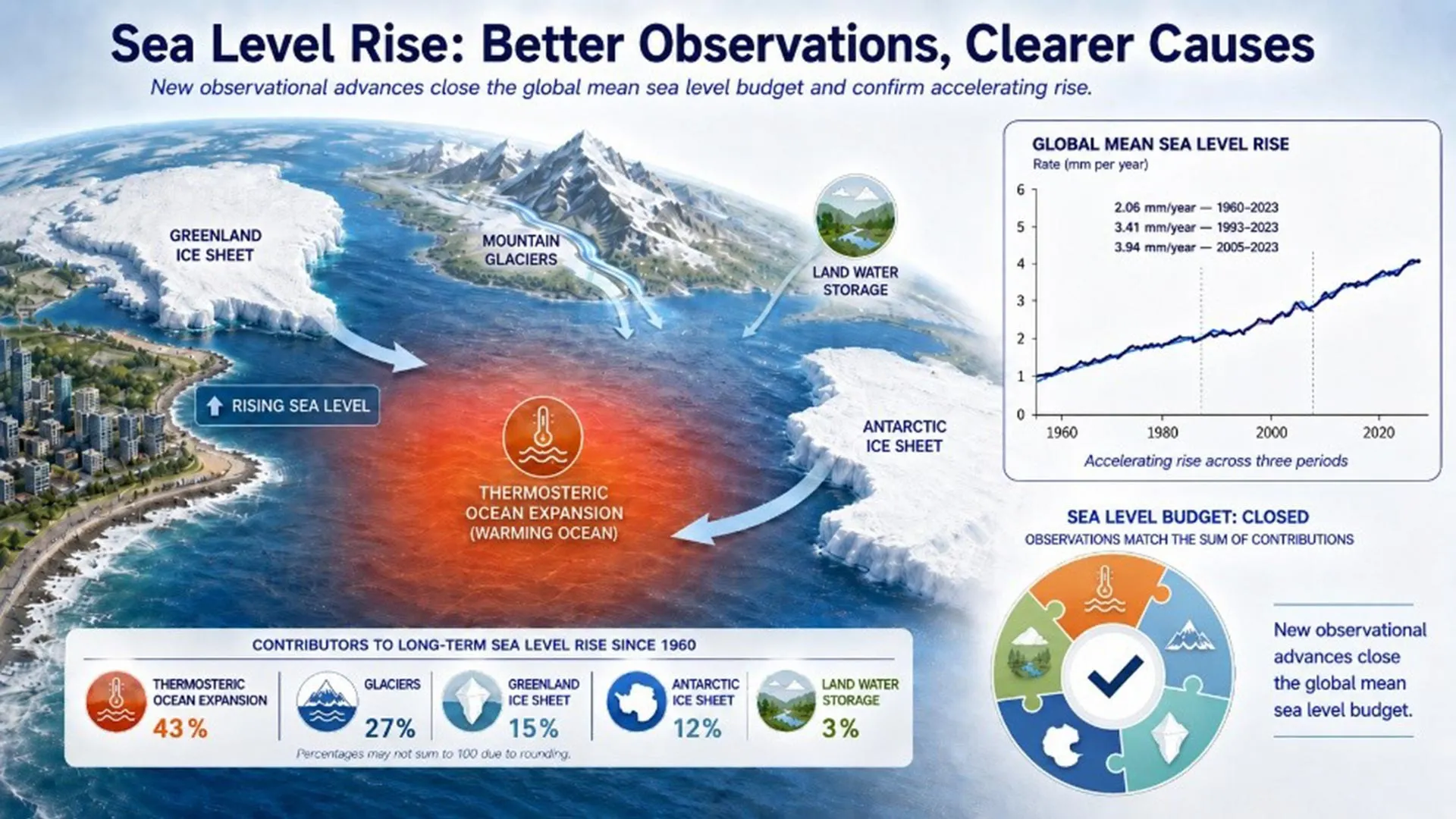
The latest findings regarding the accelerating rise of sea levels are a crucial development in our understanding of climate change impacts. The research highlights that warming seawater and the melting of glaciers and polar ice sheets are the primary contributors to this ongoing crisis. Notably, scientists have now resolved a long-standing discrepancy in sea level measurements, which adds a layer of credibility to these findings. This enhanced understanding not only brings clarity to the mechanisms driving sea level rise but also reinforces the urgent need for ocean stewardship. As we delve deeper into this issue, we must acknowledge the interconnectedness of ocean health and climate stability, underscoring the importance of collaborative efforts in addressing these challenges.
The implications of accelerated sea level rise are profound, affecting coastal communities, ecosystems, and economies worldwide. For instance, rising sea levels threaten to inundate low-lying areas, leading to displacement and loss of habitat. This situation is not merely a distant concern; it is a pressing reality for many regions, as evidenced by the ongoing discussions in articles like Collected at Pakistani coast, Arabian sea and Identifying fish - East Coast Mallorca. Therefore, the scientific community's ability to accurately measure and predict sea level changes is vital for informing policy decisions and planning for future scenarios.
The resolution of the sea level measurement mismatch is particularly noteworthy. It reflects a step forward in ocean science, as researchers can now utilize more accurate data to model sea level projections. This scientific rigor is essential for policymakers who rely on empirical evidence to craft effective climate strategies. As the ocean continues to absorb heat and melting ice contributes additional water, the urgency for an integrated data ecosystem becomes clear. By leveraging ocean intelligence, we can develop adaptive measures to mitigate the impacts of rising sea levels and protect vulnerable communities.
Looking ahead, the question remains: how will governments and institutions respond to these findings? The urgency of the situation calls for immediate action and innovative solutions to address the multifaceted challenges posed by climate change and ocean health. As we witness the tangible effects of our warming planet, it becomes increasingly critical for all stakeholders—including researchers, policymakers, and citizens—to engage in a shared responsibility for ocean stewardship. This collaborative approach will not only enhance our understanding of the ocean's role in climate dynamics but also empower us to make informed, proactive decisions that prioritize both human and environmental well-being.
In conclusion, the recent advancements in understanding sea level rise underscore the necessity for global collaboration in science and policy. As we navigate this complex landscape, it is essential to remain vigilant and responsive to the evolving challenges posed by climate change. The insights gained from this research will undoubtedly shape future initiatives aimed at safeguarding our oceans and, by extension, our planet. As we move forward, let us remain committed to fostering an integrated approach that champions scientific inquiry while prioritizing the health of our oceans for generations to come.
Read on the original site
Open the publisher's page for the full experience