Scientists warn of 3,100 “surging glaciers” that can trigger floods and avalanches
Our take
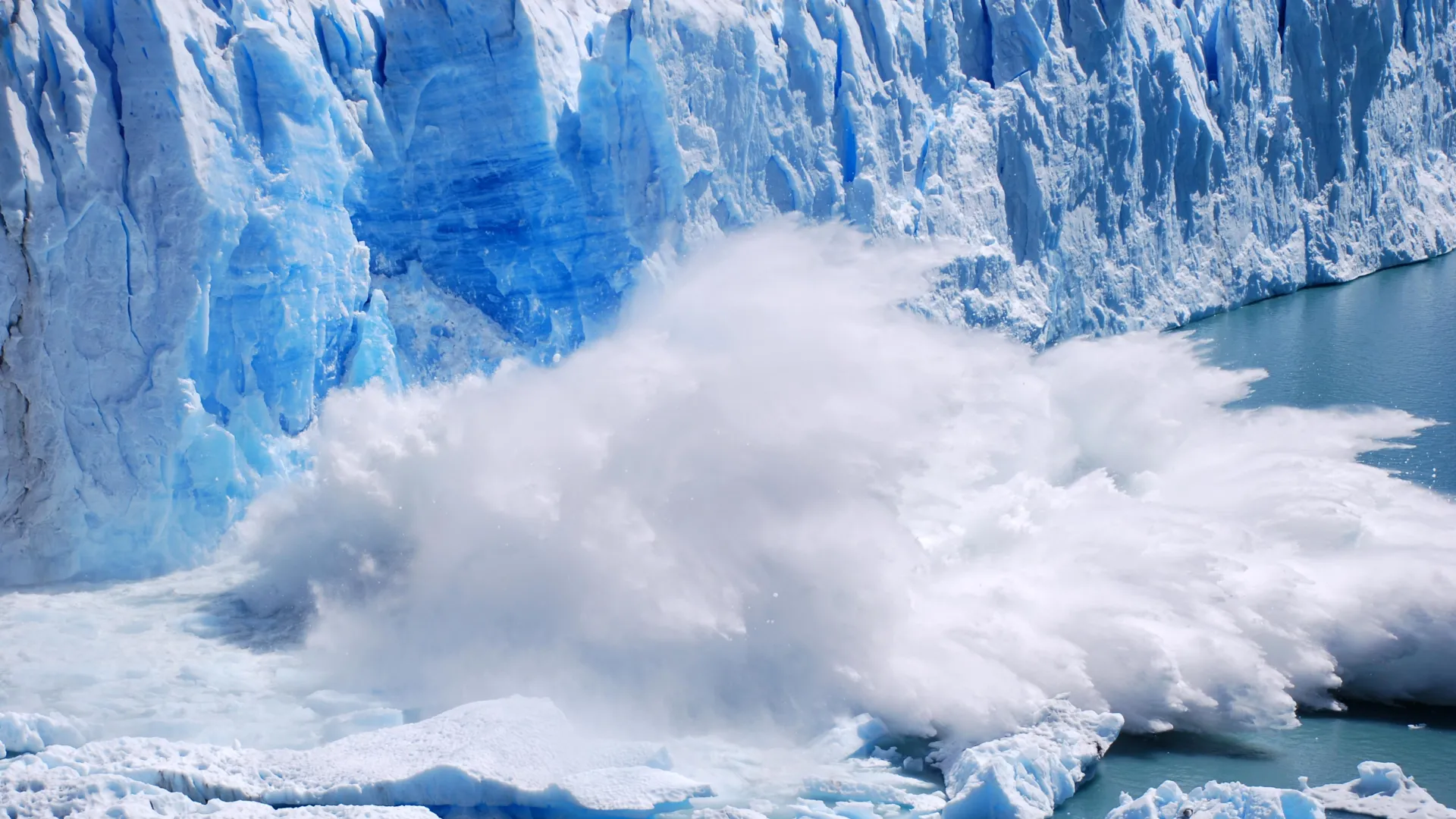
The recent identification of over 3,100 “surging glaciers” worldwide highlights a critical and often overlooked aspect of climate change. Unlike the more widely discussed shrinking glaciers, these surging glaciers can suddenly accelerate, releasing massive amounts of ice and triggering catastrophic events such as floods and avalanches. This revelation is particularly alarming for communities situated in vulnerable regions like the Arctic and the Karakoram Mountains, where the threat of glacial surges poses significant risks to both infrastructure and lives. As we grapple with the implications of shifting climate dynamics, it is essential to understand the broader context of ocean health and climate indicators, as discussed in related articles such as World Economic Forum: Here's why we need Strategic investment in the Ocean economy and Islands of biodiversity created by remote Arctic kelp forests of the central Kitikmeot Sea.
The phenomenon of surging glaciers is not merely a natural curiosity; it serves as a stark reminder of the complex interconnections within Earth’s climate system. As glaciers surge, they not only threaten local ecosystems but also contribute to rising sea levels, which can have far-reaching implications for coastal communities globally. The urgency of understanding these dynamics cannot be overstated, especially when considering the findings from recent studies that link climate change with the health of ocean ecosystems, such as the intriguing observations highlighted in Scientists discover the strange way CO2 cools part of Earth’s atmosphere. The interplay between atmospheric changes and glacial behavior underscores the need for a more integrated approach to climate science, where ocean intelligence plays a pivotal role in informing policy and protective measures.
Moreover, the existence of these surging glaciers emphasizes the importance of global collaboration in addressing climate change. Scientific advancements rely on collective efforts, and the data gathered from these glaciers can provide invaluable insights for researchers and policymakers alike. As we move forward, the challenge will be to translate this knowledge into actionable strategies that not only mitigate risks but also promote resilience in affected communities. This necessitates a commitment to fostering shared responsibility for ocean stewardship, as the health of our oceans is intricately linked to the stability of our glaciers.
In light of these developments, one pressing question emerges: How can we enhance our monitoring and response systems to better predict and manage the risks associated with surging glaciers? As we continue to uncover the complexities of our planet's climate system, it becomes increasingly clear that proactive measures and innovative solutions are essential for safeguarding both human and ecological communities. The urgency for action is evident, and it is imperative that we leverage scientific authority and technological innovation to address these challenges effectively. The time to act is now, and our collective future hinges on the decisions we make today regarding our planet’s health.
Read on the original site
Open the publisher's page for the full experience