Scientists say a critical Atlantic ocean current is weakening and the world could feel the impact
Our take
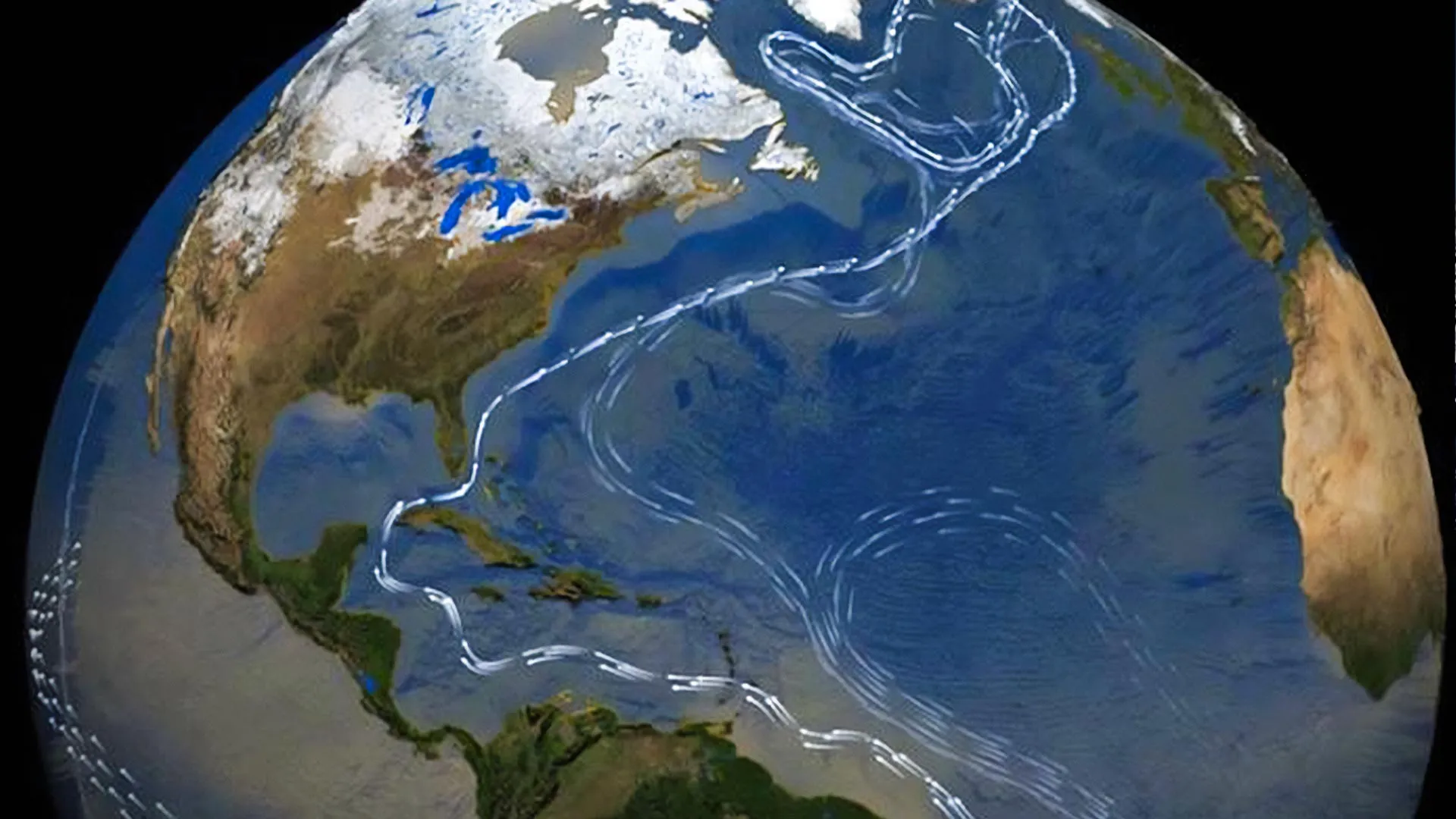
The recent findings indicating that a major Atlantic Ocean current system is weakening should serve as a wake-up call for global stakeholders concerned about climate stability. Over the past two decades, scientists have observed a significant slowdown across a vast region of the North Atlantic, which plays a crucial role in regulating weather patterns and temperatures. The implications of this change are profound, with potential alterations to storms, rainfall patterns, sea levels, and winter conditions in Europe and North America. Such shifts could disrupt ecosystems and human livelihoods alike, highlighting the urgent need for robust ocean stewardship. For further context on the interconnectedness of ocean health and climate, consider reading our pieces, Islands of biodiversity created by remote Arctic kelp forests of the central Kitikmeot Sea and World Economic Forum: Here's why we need Strategic investment in the Ocean economy.
The weakening of this Atlantic current system, often referred to as the Atlantic Meridional Overturning Circulation (AMOC), is particularly alarming because it is closely linked to global climate dynamics. This current system has been a stabilizing force for the global climate for thousands of years. Its slowdown could lead to a cascade of changes, including more extreme weather events and altered precipitation patterns. For example, areas that currently experience mild winters could see colder conditions, while others may face increased flooding. The economic ramifications of such changes could be staggering, affecting agriculture, infrastructure, and even energy resources. As we delve deeper into these interconnected systems, it becomes evident that the health of our oceans is not an isolated issue; it is central to the fabric of global climate stability.
Moreover, the scientific community's ability to provide validated, longitudinal data on these changes underscores the importance of an integrated data ecosystem in understanding oceanic influences on climate. The evidence gathered over two decades is a testament to the rigorous, empirical research that informs our understanding of these dynamics. As we reflect on this critical situation, we must also consider the broader implications for climate indicators and the necessity for real-time monitoring and response strategies. This is an opportunity for innovation and collaboration across sectors—scientific, governmental, and private—to come together and address these pressing challenges effectively.
In light of these developments, it is crucial for readers and stakeholders to remain engaged and informed. The weakening of the AMOC is not just a scientific curiosity; it is a clarion call for collective action in ocean stewardship. As we explore the implications of this research, we must ask ourselves: How can we leverage this knowledge to foster resilience in our communities and ecosystems? The answers will not only shape our understanding of the ocean's role in climate change but also guide us toward sustainable solutions that benefit both people and the planet. The road ahead will require vigilance, innovation, and a commitment to shared responsibility in safeguarding our oceans for future generations.
Read on the original site
Open the publisher's page for the full experience