Scientists find perfect fossils in rust beneath Australian farmland
Our take
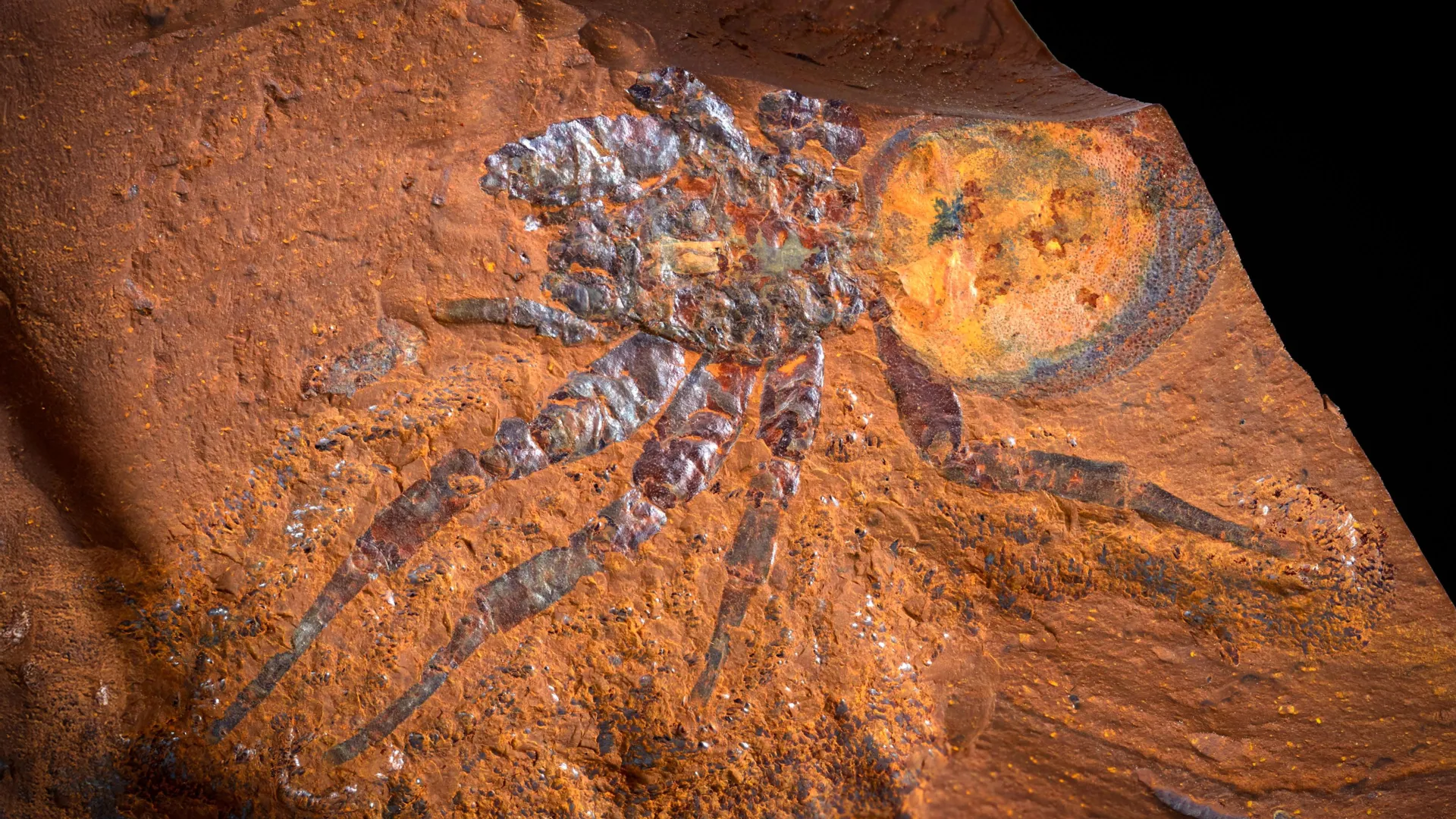
The recent discovery of exquisitely preserved fossils beneath the farmland of New South Wales offers a fascinating glimpse into an ancient rainforest ecosystem that thrived between 11 to 16 million years ago. Researchers at McGraths Flat have found fossils embedded not in conventional rock formations like shale or sandstone, but within iron-rich sediment, a medium previously deemed incapable of such detailed preservation. This revelation challenges our understanding of fossilization processes and underscores the importance of innovative geological research. The best-preserved specimens include intricate details such as insect organs, fish eye pigments, and delicate spider hairs, providing invaluable data on the biodiversity that once populated this region.
This finding resonates with ongoing discussions about biodiversity and ecological dynamics, similar to those explored in our recent article, Biodiversity and community dynamics of pelagic Sargassum: ecological and sustainable use implications of wild vs. cultivated aggregations. Just as the Sargassum study highlights the ecological significance of marine organisms, the McGraths Flat fossils remind us of the interconnectedness of terrestrial and marine ecosystems. Both studies reflect a global imperative to understand biodiversity better and the historical shifts that have shaped it. The preservation of such fine details in the McGraths Flat fossils not only enriches our understanding of the past but also informs current conservation efforts by illustrating how ecosystems can change over geological time.
Furthermore, these findings contribute to the broader discourse on climate change and its impact on biodiversity. As ecosystems face unprecedented shifts due to anthropogenic influences, insights from the past can guide our strategies for managing contemporary challenges in biodiversity conservation. The implications are profound; understanding the resilience and adaptability of ancient species can help us predict how current species might respond to ongoing climate stressors. This echoes the themes found in another of our articles, Governance in marine protected areas of Macaronesia: challenges and opportunities for ecotourism, which emphasizes the necessity of informed governance and sustainable practices to protect vulnerable ecosystems.
The discovery at McGraths Flat is more than a paleontological curiosity; it serves as a critical reminder of the rich history embedded in our landscapes. The ability of tiny iron particles to capture and preserve cellular structures opens new avenues for understanding ancient life forms and their interactions with their environments. This research not only enhances our knowledge of prehistoric ecosystems but also sparks critical conversations about our responsibilities toward current biodiversity. As we grapple with the challenges of conservation in the modern age, we must remain aware of the lessons that history can teach us.
Looking forward, it will be important to monitor how findings like these influence future research directions and conservation policies. Will this discovery prompt a reevaluation of sedimentary environments as potential fossil repositories, leading to a surge in paleobiological studies in similar regions? How might this newfound understanding of ancient ecosystems shape our approach to contemporary biodiversity challenges? The answers to these questions will be pivotal in informing our stewardship of both terrestrial and marine environments in the years to come.
Read on the original site
Open the publisher's page for the full experience