Our Take: Hidden Lava Rubble Reveals Vast, Ancient Carbon Storage Beneath Oceans
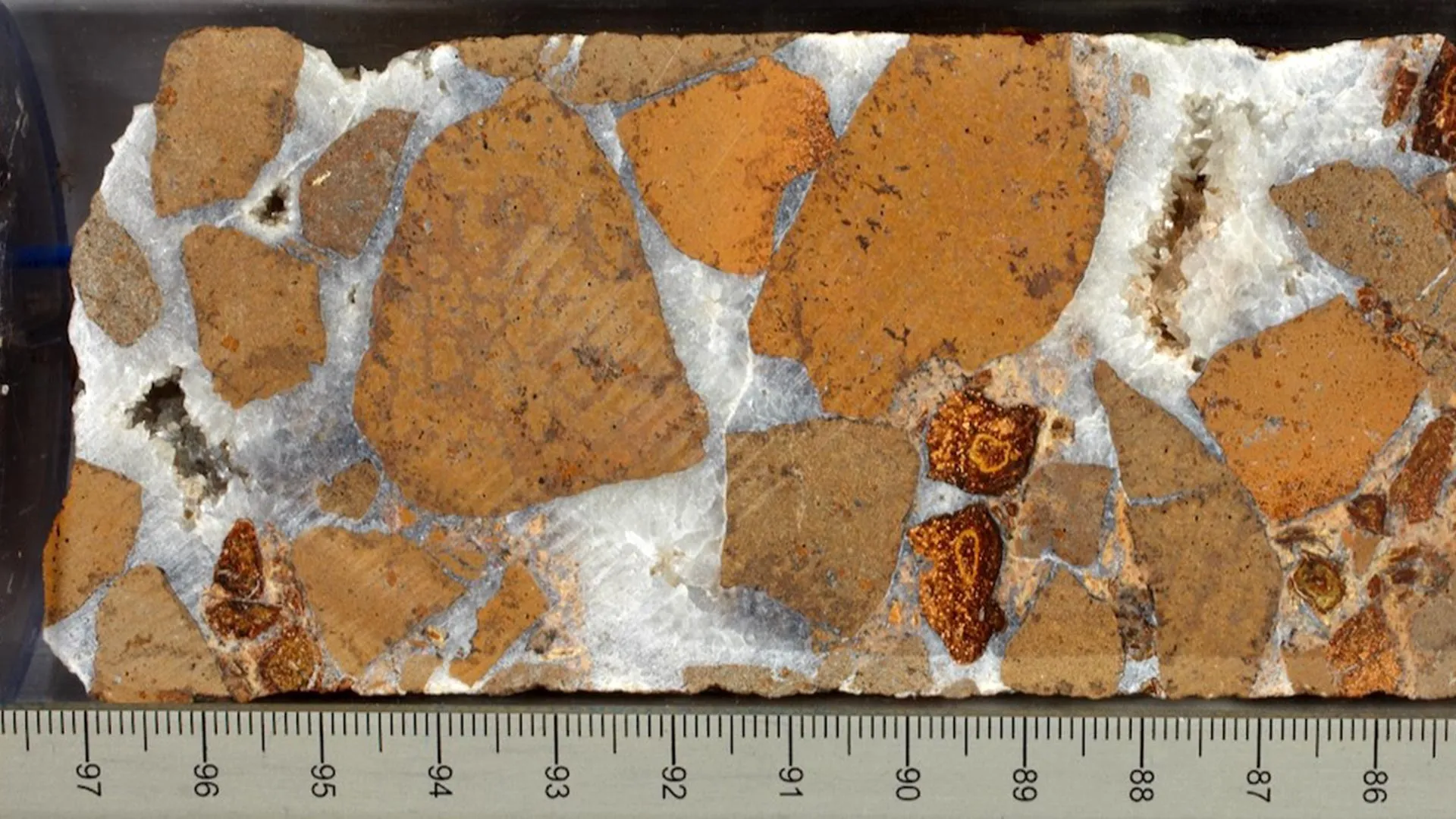
The recent discovery of significant carbon sequestration within eroded lava rubble beneath the South Atlantic represents a pivotal advancement in our understanding of Earth’s geological carbon cycle. For tens of millions of years, these porous breccia deposits have been quietly accumulating and locking away atmospheric CO2, far exceeding the storage capacity previously attributed to sampled ocean crust. This finding fundamentally reshapes our perspective on the long-term equilibrium between the ocean, lithosphere, and atmosphere, revealing a previously underestimated, yet powerful, natural mechanism that contributes to climate stabilization over vast geological epochs. At World Data Ocean, we recognize the profound implications of such empirical evidence. It underscores the critical need for comprehensive, integrated data ecosystems that can capture and analyze these complex, often hidden, geological processes, thereby enhancing our ocean intelligence and our capacity to model Earth’s climate dynamics with greater precision.
This revelation emphasizes that Earth's systems are far more intricate and dynamic than our current models might fully capture. The identification of these extensive, ancient carbon sinks highlights the importance of continuing to explore and validate the Earth’s crust, particularly in less accessible marine environments. The ability of these porous rocks to sequester carbon over such immense timescales offers a crucial benchmark for understanding natural climate regulation. It provides a baseline against which we can measure anthropogenic impacts and assess the efficacy of potential carbon management strategies. For us, this is not merely a scientific curiosity; it is a call to action for continued, rigorous research and the development of technologies capable of observing and quantifying these critical geological processes in real-time. The scientific validation of such findings through peer-reviewed research is paramount to building a robust foundation for informed ocean stewardship.
Ultimately, this research reinforces our core mission at World Data Ocean: to illuminate the complex interplay of forces that govern our planet. Understanding the mechanisms by which Earth naturally balances its carbon budget, as demonstrated by these ancient lava rubble deposits, is essential for effective long-term planning and policy. It allows us to move beyond immediate concerns towards a more holistic, geological perspective on climate stability. This discovery serves as a powerful reminder of the vital role that the deep ocean and its geological formations play in regulating our planet’s climate, and it underscores our commitment to providing the validated, measurable data necessary for informed decision-making and global collaboration in safeguarding our oceans and our future.