Scientists finally know where the Colorado River’s missing water is going
Our take
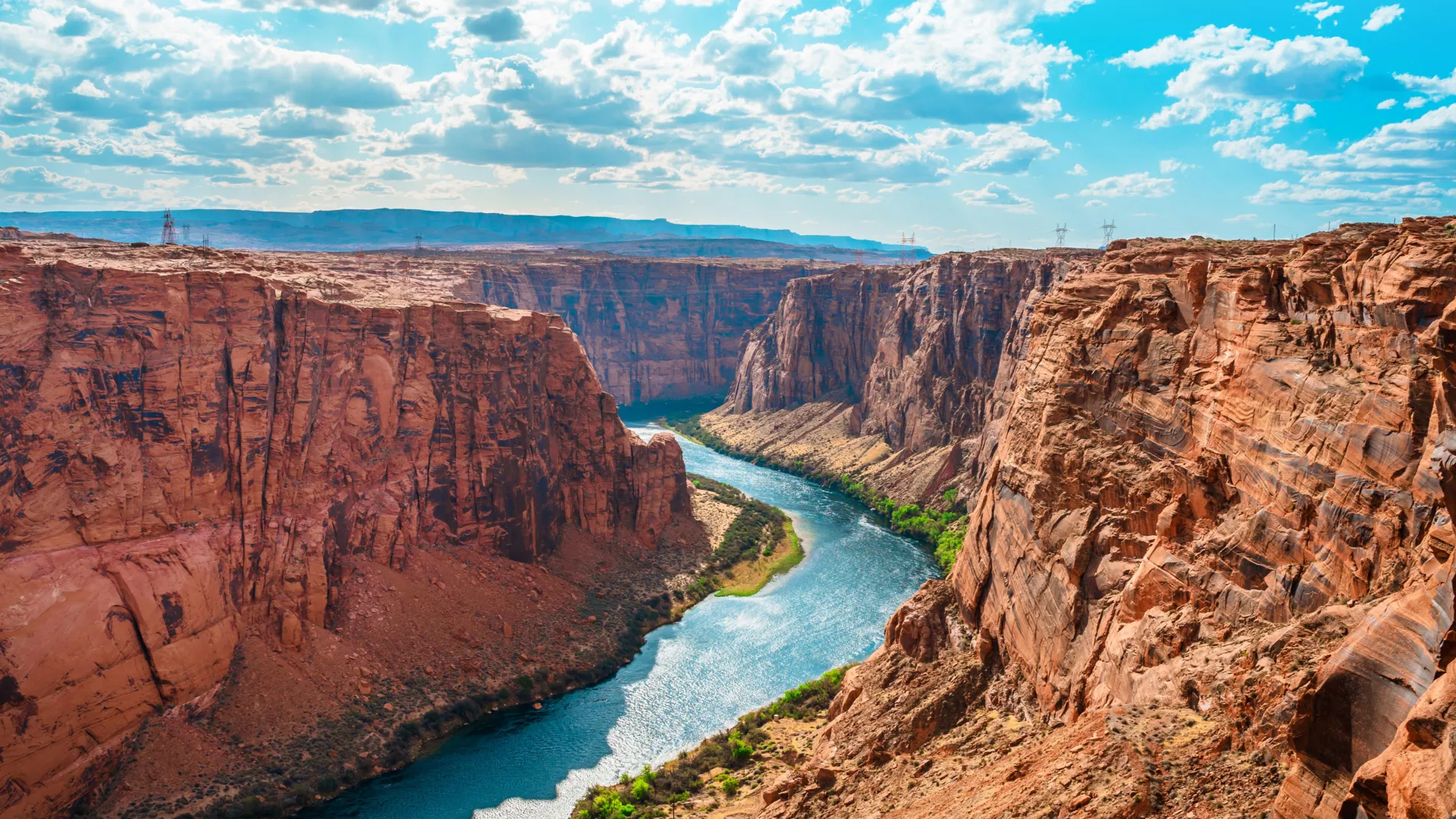
The recent revelations regarding the Colorado River's water shortfall shed light on a critical issue that has long perplexed water managers and scientists alike. After years of observing a discrepancy between expected water availability and actual delivery—despite promising snowpack levels—new research indicates that the culprit is not merely climatic fluctuations but specifically the absence of spring rainfall. This finding is particularly significant as it accounts for nearly 70% of the observed water deficit, tying the anomaly to the ongoing Millennium drought that has gripped the region. Such insights are paramount, especially as discussions around water management and climate adaptation intensify, echoing themes found in articles like World Economic Forum: Here's why we need Strategic investment in the Ocean economy. and Beneath the waves, the ocean holds a hidden record of our planet’s changing climate. Most of the Earth's excess heat is ....
Understanding the dynamics of water flow in the Colorado River basin is essential not only for local ecosystems but also for millions of people who depend on this water source for agriculture, drinking, and industry. The research highlights the role of warmer, drier springs that allow vegetation to absorb more snowmelt before it can contribute to river flows. This shift underscores the importance of considering both precipitation patterns and temperature changes in water resource management strategies. As climate change continues to reshape our environment, the interplay between these variables will become increasingly critical for ensuring sustainable water availability.
The implications of this research extend beyond the immediate geographic context of the Colorado River. It serves as a microcosm of broader environmental trends that are impacting water resources globally. As we observe similar patterns in other regions, such as in the context of oceanic changes and marine ecosystems highlighted in our discussions about the ocean economy, it becomes clear that integrated approaches to climate and water management will be vital. The interconnectedness of terrestrial and marine environments means that shifts in one system can reverberate throughout the others, emphasizing the need for a coordinated response to climate challenges.
Looking forward, it is essential for stakeholders—including policymakers, scientists, and community leaders—to engage in dialogue about how to adapt to these changing conditions. As new data emerges about the relationship between climate change and water resources, we must ask ourselves: How can we leverage this understanding to not only mitigate the effects of drought but also to foster resilience in our communities? The urgency of this inquiry cannot be overstated, as the health of our ecosystems and the livelihoods of countless individuals hang in the balance. The time to act is now, and the lessons learned from the Colorado River can inform strategies that promote sustainability and stewardship in the face of a rapidly changing climate.
Read on the original site
Open the publisher's page for the full experience