Scientists finally explain how the Twelve Apostles rose from the ocean
Our take
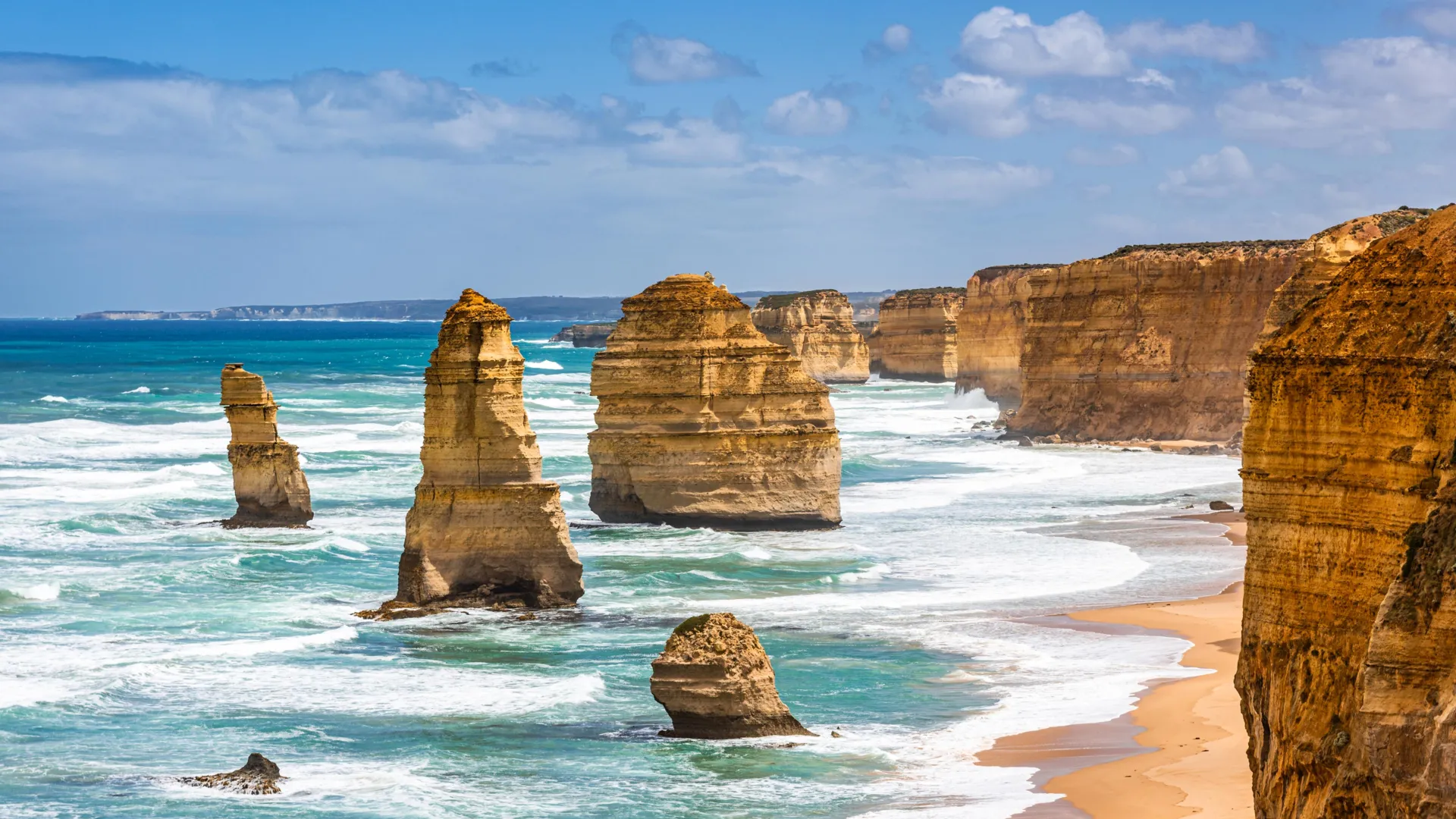
The recent revelation about the geological history of Australia’s Twelve Apostles highlights a fascinating intersection of tectonic activity and climate science. Contrary to the widely held belief that these iconic limestone stacks formed solely through erosion, new research indicates that they were gradually pushed up from the ocean floor over millions of years. This understanding not only reshapes our appreciation for these natural wonders but also emphasizes their significance as a natural time capsule, preserving vital clues about ancient climates, sea levels, and biodiversity dating back 14 million years. Such insights are crucial in our ongoing exploration of how the Earth’s geological processes interact with its ecological systems.
The implications of this discovery extend well beyond the Twelve Apostles themselves. These limestone formations serve as a record of Earth’s climatic shifts and environmental changes, offering scientists a unique window into the past. By examining how these stacks have evolved, researchers can glean insights into the historical patterns of climate change and sea-level rise, which are increasingly relevant in today’s context of accelerating climate change. This research connects with ongoing discussions in marine science, such as those found in our articles like Ocean Biomass Burial to Combat Climate Change? and How did Marine Biology play into the end of the Atlantic Cod Moratorium and continuing conservation efforts?. Understanding these historical patterns is essential as we grapple with the present-day challenges of marine conservation and ecosystem resilience.
As we consider the Twelve Apostles and their geological narrative, it is imperative to reflect on the broader significance of such findings for ocean stewardship. The study not only informs us about the past but also prompts critical questions about the future of our oceans. How will ongoing geological and climate dynamics influence coastal ecosystems and biodiversity? The ability of the Twelve Apostles to encapsulate extensive historical data underscores the importance of preserving natural landmarks, not just as tourist attractions but as crucial components of our planet’s environmental legacy.
Moreover, this discovery serves as a reminder of the interconnectedness of our planet’s systems. The forces that shaped the Twelve Apostles are also responsible for the myriad of changes we observe in marine environments today. As we navigate the complexities of climate change, it is essential to adopt a perspective that values the integration of geological knowledge with marine science. The insights gained from the Twelve Apostles can inform policies aimed at protecting coastal regions and ensuring sustainable practices in marine resource management.
Looking ahead, we must ask ourselves: How can we leverage our understanding of geological history to inform contemporary ocean conservation efforts? As research continues to unfold, the lessons drawn from these natural formations will be pivotal in guiding our response to the pressing challenges facing our oceans. The Twelve Apostles stand not only as a testament to the Earth’s dynamic history but also as a call to action for all of us to engage in responsible stewardship of our marine environments.
Read on the original site
Open the publisher's page for the full experience