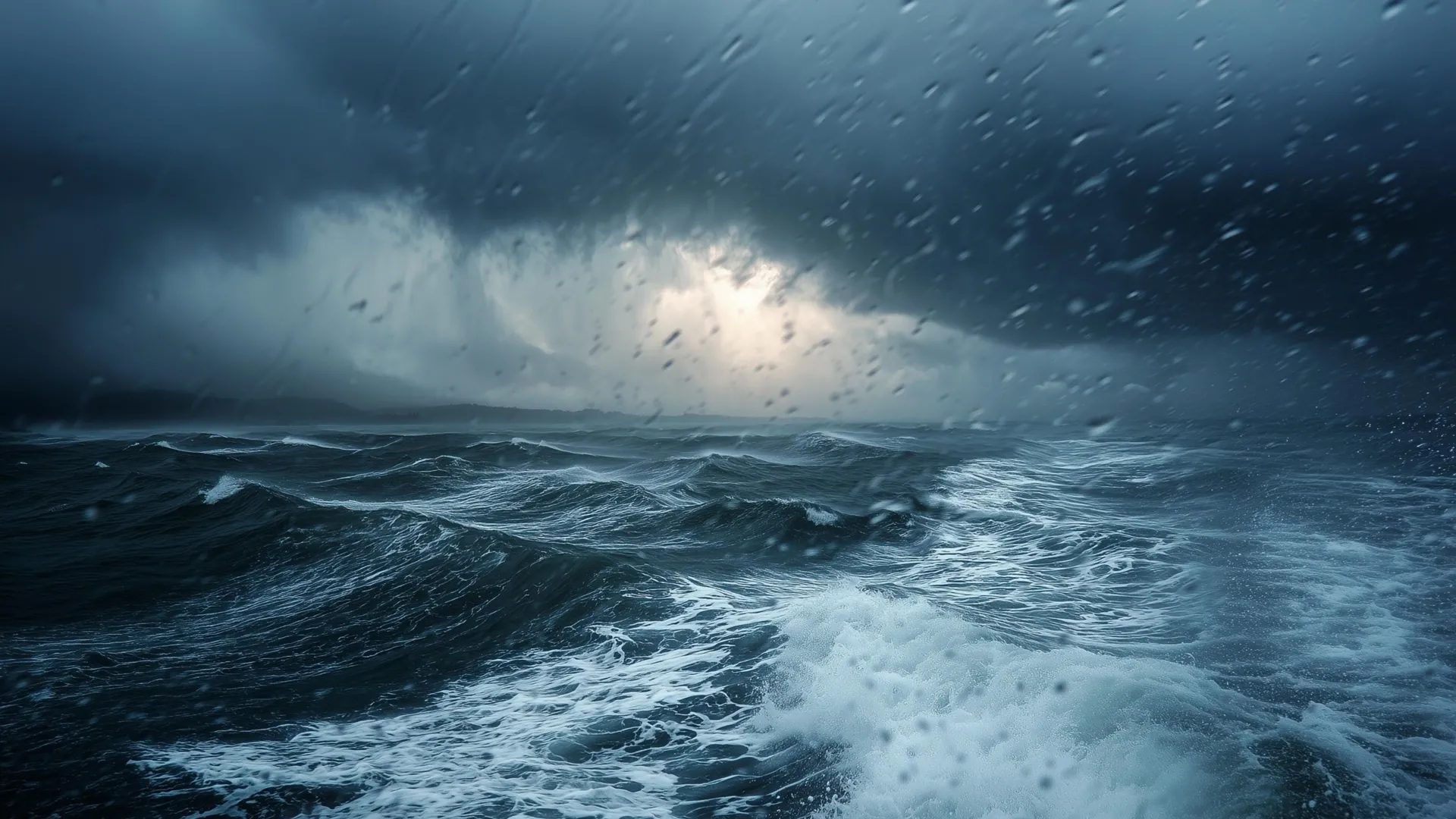
The recent discovery concerning Macquarie Island reveals a profound transformation in the Southern Ocean, an area critical to global climate regulation. As scientists observe that storms now produce significantly heavier rainfall than in previous decades, the implications for local ecosystems and vegetation are becoming increasingly concerning. This phenomenon of the Southern Ocean “sweating” more moisture into the atmosphere suggests that the ocean is actively engaging in self-cooling. Such findings resonate with other significant discussions in marine science, such as the challenges of conservation efforts highlighted in our article on the Atlantic Cod Moratorium and the innovative concepts explored in the piece on Ocean Biomass Burial.
The Southern Ocean's role as a climate regulator cannot be overstated. It is instrumental in absorbing carbon dioxide and moderating global temperatures. The findings regarding increased precipitation over Macquarie Island underscore a rapid shift that could alter not only local ecosystems but the entire global climate system. This transformation brings to light the interconnectedness of oceanic and atmospheric processes and raises questions about the resilience of marine habitats. As ecosystems struggle to adapt to these changes, the impact on biodiversity, fisheries, and weather patterns could be profound. This is particularly urgent given that the Southern Ocean is already considered one of the earth's most volatile regions in the face of climate change.
The accelerated changes observed in the Southern Ocean also highlight a critical need for enhanced scientific monitoring and collaboration. As researchers begin to understand the full extent of these transformations, it is essential to integrate this knowledge into policy and conservation strategies. The urgency for global action becomes clearer as we see regions like the Southern Ocean altering their behaviors in response to climate pressures. The insights derived from ongoing studies will be vital in shaping future climate action and marine conservation efforts. In this context, the implications of these findings extend beyond academic interest; they demand immediate attention from policymakers and stakeholders involved in ocean governance.
As we reflect on these developments, it is crucial to consider the broader significance of the Southern Ocean's evolving dynamics. The reported changes at Macquarie Island serve as a reminder that climate change is not a distant threat; it is a present reality that requires adaptive strategies and innovative solutions. As noted in previous discussions about marine biology and climate adaptation, such as those found in our article on structured Earth science education, the future of our ocean ecosystems depends on our collective response to these challenges.
Looking ahead, one question looms large: How will the global community respond to the rapidly changing conditions of the Southern Ocean, and what measures will be taken to mitigate its impacts on climate and biodiversity? The urgency of the situation necessitates a coordinated global effort to foster resilience in marine ecosystems while ensuring that scientific insights translate into effective action. As we navigate these uncharted waters, the collaboration and innovation within the scientific community will play a pivotal role in shaping a sustainable future for our oceans.