Panama’s ocean lifeline vanishes for the first time in 40 years
Our take
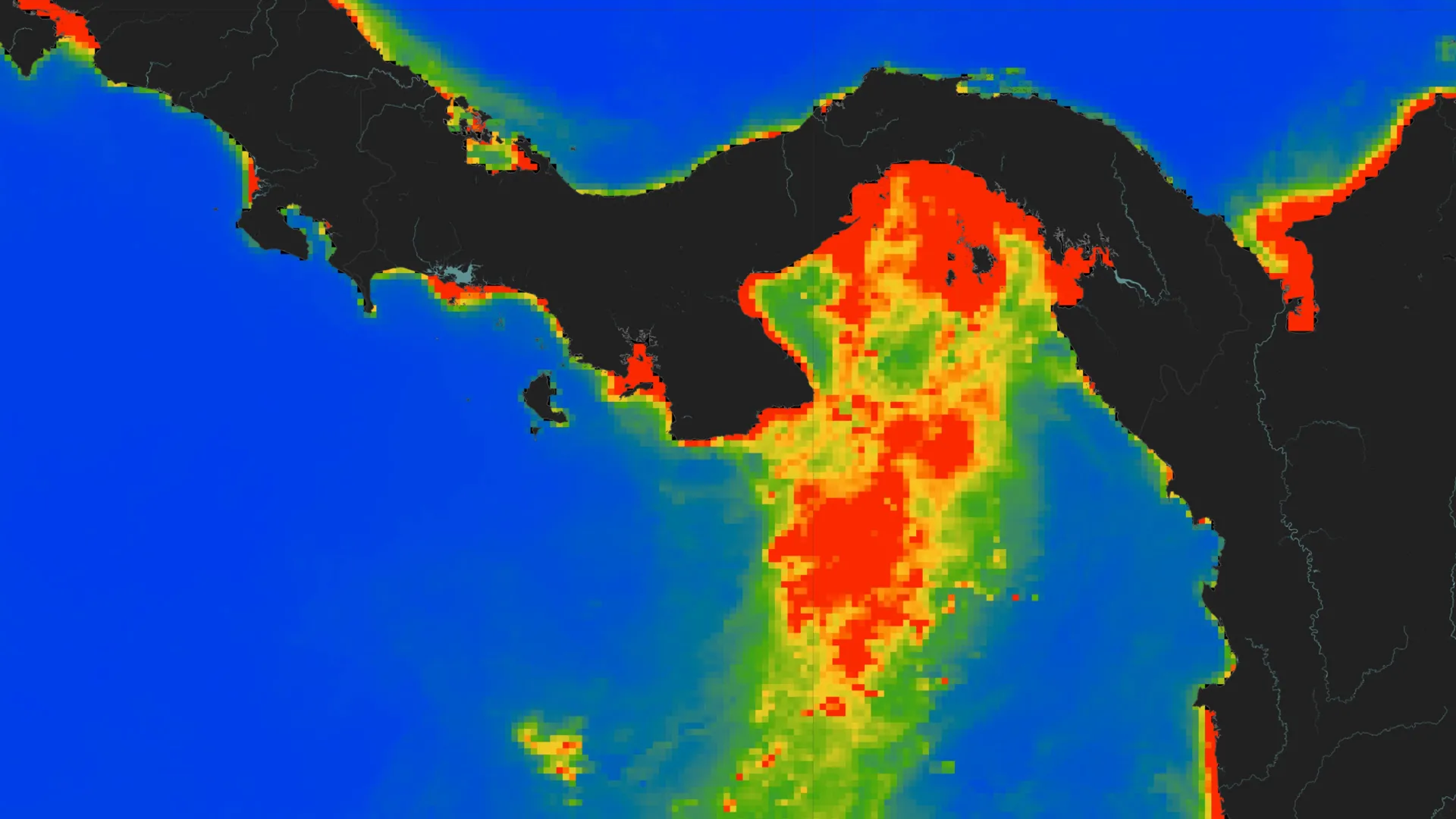
The recent disruption of the Gulf of Panama's seasonal upwelling is a stark reminder of the fragility of marine ecosystems in the face of climate change. For years, this region has depended on strong seasonal winds to bring nutrient-rich waters to the surface, fostering a vibrant marine life that is integral to local fisheries and biodiversity. However, the year 2025 marked a significant deviation from this pattern, as researchers observed an alarming reduction in upwelling due to unusually weak winds. This unexpected event has not only diminished ocean productivity but has also led to warmer coastal waters—an indicator of profound ecological shifts that could have lasting consequences. The implications of such changes resonate beyond Panama, underscoring the interconnectedness of oceanic systems and the urgent need for strategic intervention. As highlighted in related discussions on ocean economy investments in World Economic Forum: Here's why we need Strategic investment in the Ocean economy and the critical role of underwater ecosystems in climate regulation as noted in Beneath the waves, the ocean holds a hidden record of our planet’s changing climate, the Gulf of Panama's situation serves as a clarion call for global collaboration in ocean stewardship.
The stark reality is that the Gulf of Panama is not isolated. The changes observed here are reflective of broader patterns that affect marine ecosystems worldwide. As climate change continues to escalate, the vulnerability of these systems to fluctuations in weather patterns and wind currents becomes increasingly evident. The disruption of upwelling processes can have cascading effects, not only impacting marine biodiversity but also threatening the livelihoods of communities that depend on these ecosystems for sustenance and economic activity. The weakening of these critical oceanic processes highlights an urgent need for actionable, science-based approaches to marine management and conservation.
Moreover, the situation in Panama serves as a critical case study in understanding how we can better protect our oceans in an era of rapid environmental change. As researchers delve deeper into the mechanisms behind the weakening winds, it becomes essential to focus on developing adaptive strategies that consider the long-term health of marine ecosystems. This may involve promoting the resilience of local fisheries, investing in innovative technologies for monitoring ocean health, and fostering partnerships that leverage global expertise in climate science. The findings from such studies could inform future policy decisions and investment strategies, making it imperative for stakeholders—from scientists to policymakers—to engage in meaningful dialogue about the future of our oceans.
As we look forward, the question remains: how will we respond to these alarming signs of change? Will we take decisive steps to safeguard our oceans, recognizing them as vital components of our global ecosystem? The Gulf of Panama's predicament is a pivotal moment that calls for a collaborative, innovative, and purpose-driven approach to ocean stewardship. The urgency of the issue cannot be overstated; it is a collective responsibility that necessitates immediate action and sustained commitment. In navigating these challenges, we must remember that understanding drives protection, and only through concerted efforts can we hope to secure a healthier, more resilient ocean for future generations.
Read on the original site
Open the publisher's page for the full experience